

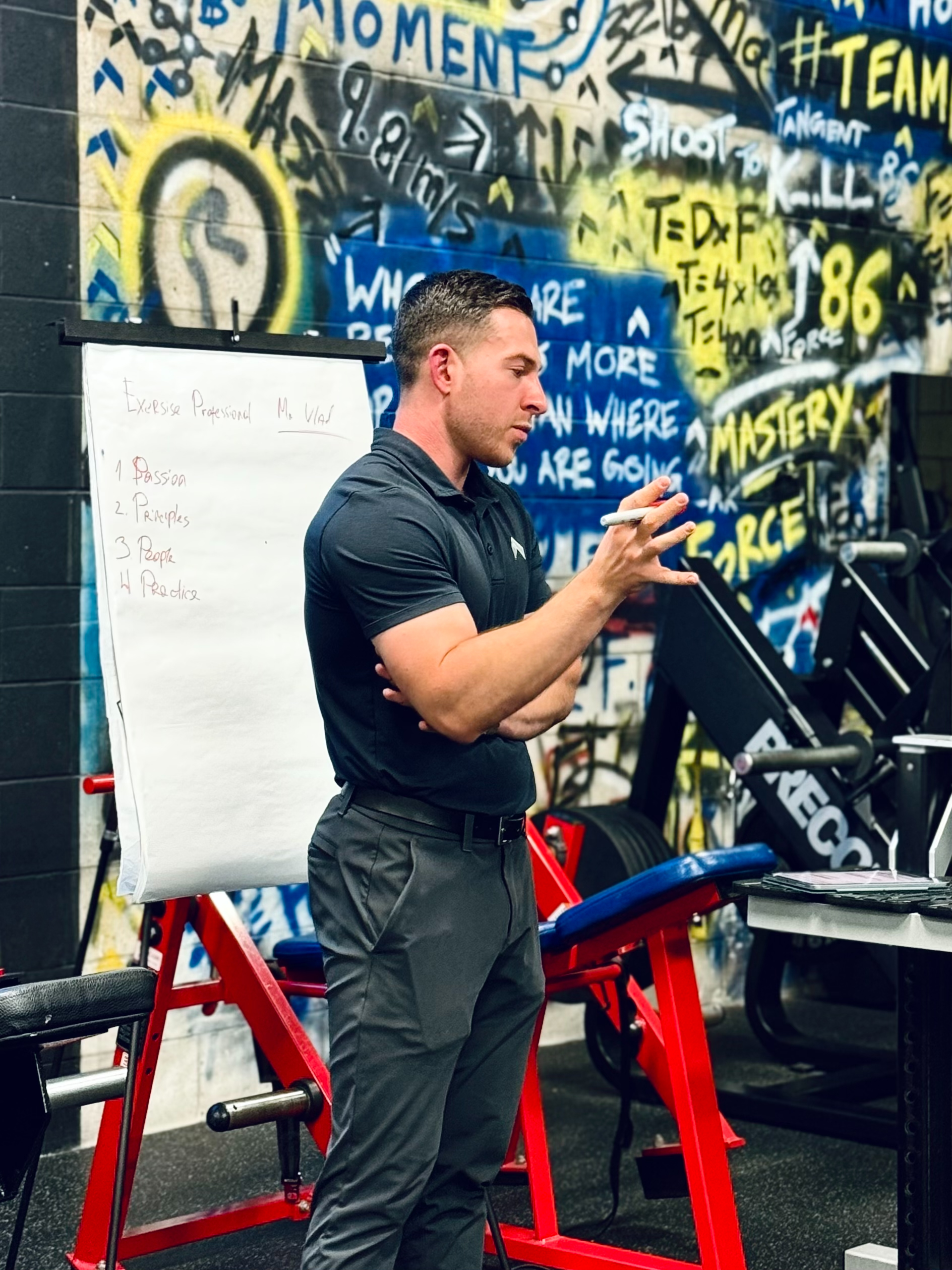
When I first became interested in fitness, I was fascinated by understanding how things worked.
Coming from an engineering background, I naturally gravitated toward systems, mechanics, and problem-solving. I wanted to understand how muscles functioned, how the body adapted to training, and why certain strategies produced better results than others. Resistance training felt logical. Apply the right stimulus and the body adapts.
The search for the “best”
As I continued learning, I became increasingly focused on finding the best answers. The best exercises. The best machines. The best movement paths. The best training strategies. I wanted to understand strength profiles, resistance, biomechanics, and how the body responded to different forms of stress.
After working with everyone from complete beginners to athletes, and individuals recovering from major health challenges, I began noticing patterns.
The people who made the best long-term progress were rarely the people who trained the hardest.
They were the people who could consistently recover from the stress being applied.
That realization changed the way I viewed progression.
Progress comes from adaptation, not training
Most people think progress comes from training. In reality, progress comes from adaptation. Training is simply the stimulus. The body changes during recovery.
This is where I believe many people get stuck. They search for the perfect program, the perfect exercise, or the perfect diet. They assume that if they can just find the right plan, progress will take care of itself.
But the human body doesn’t work like a blueprint.
Unlike a building, the body exists in a constantly changing environment. Sleep, nutrition, work demands, family responsibilities, emotional stress, injuries, and countless other factors influence its ability to recover and adapt.
The same training program that produces excellent results one month may be excessive or insufficient the next.
The right amount of challenge
The longer I coached, the more I realized that effective progression is not about applying the maximum amount of stress. It is about applying an amount of stress that the individual can successfully adapt to and repeat.
Too little challenge produces little growth.
Too much challenge overwhelms the system.
Learning to listen
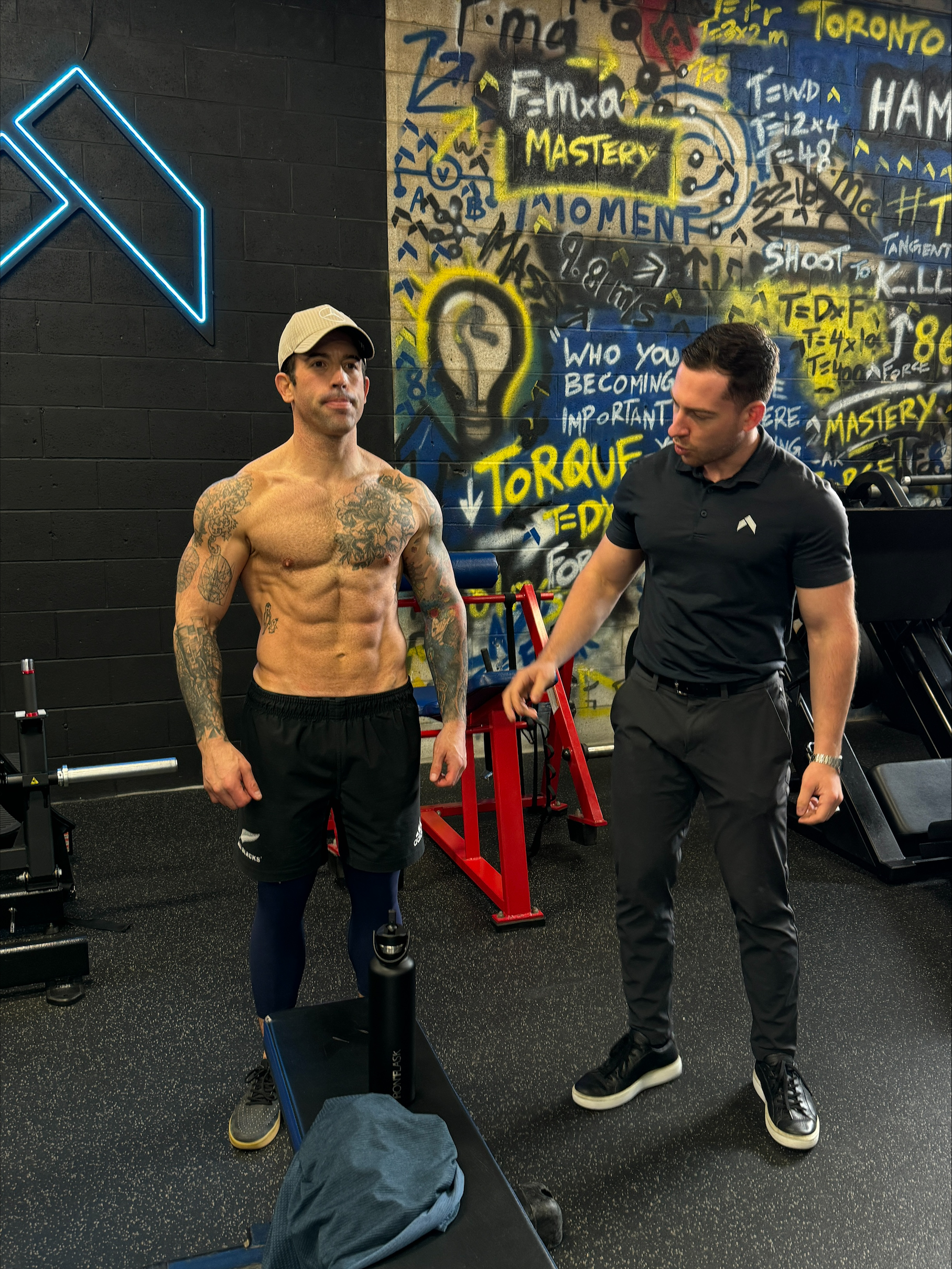
What surprised me most throughout my coaching career was how much feedback the body constantly provides. Energy levels, performance, recovery, motivation, sleep quality, and even enthusiasm toward training all tell a story. The challenge is learning how to listen.
This is where communication becomes such an important part of coaching. The better I became at listening, asking questions, and understanding the person in front of me, the better I became at identifying the appropriate challenge. Often the solution was not a new exercise or a better program. It was an adjustment based on the feedback being provided.
What 10,000 hours really taught me
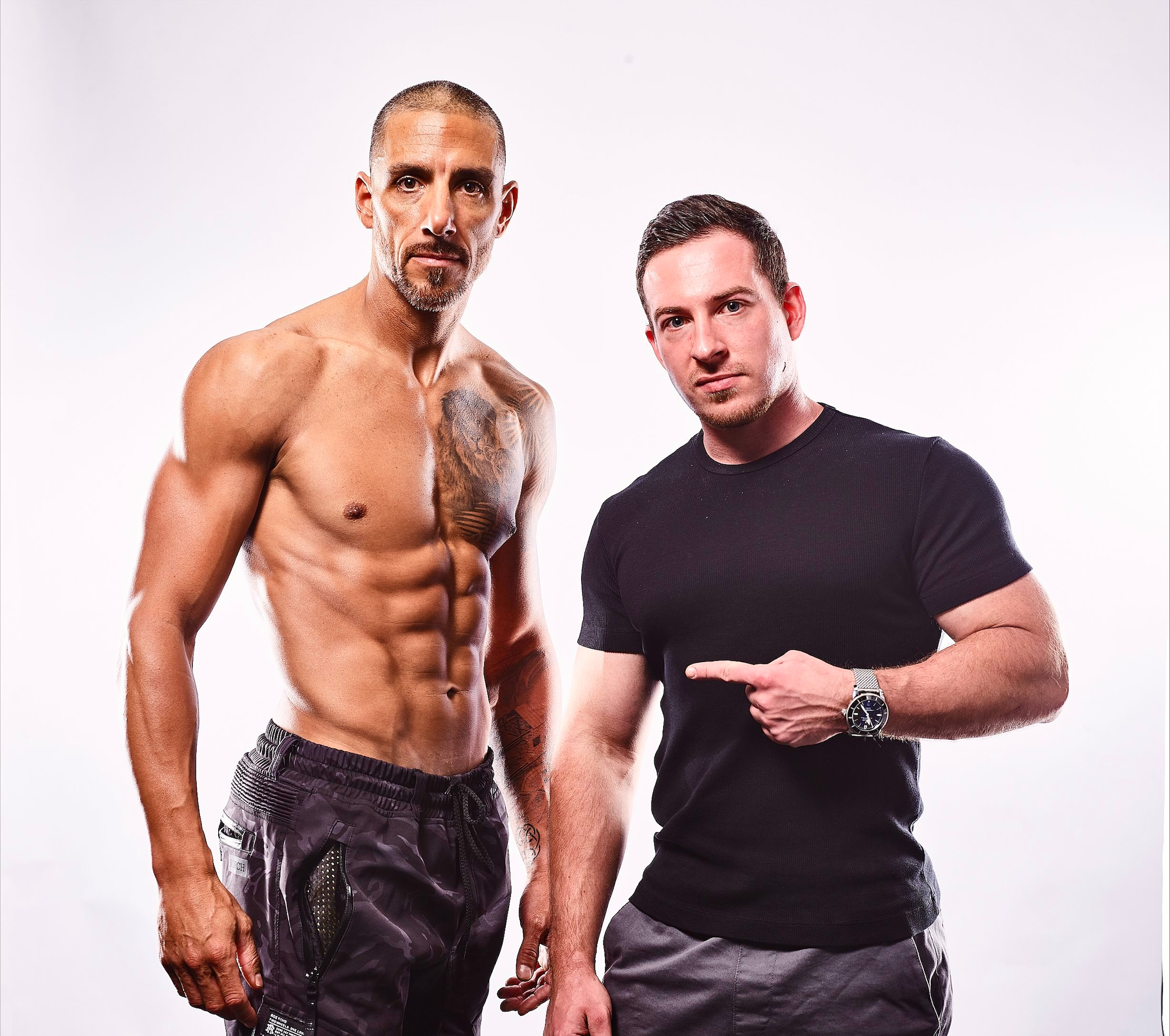
After 10,000 hours of coaching, I still appreciate the science behind resistance training. I still enjoy understanding biomechanics, adaptation, and program design. But the most valuable lesson I have learned is that successful progression is not about finding the perfect plan.
It is about applying the right challenge, recovering from it, listening to feedback, and repeating the process long enough for adaptation to occur.
Progress is not built through maximum effort. It is built through recoverable effort, applied consistently over time.