
The best-equipped
gym in Toronto.
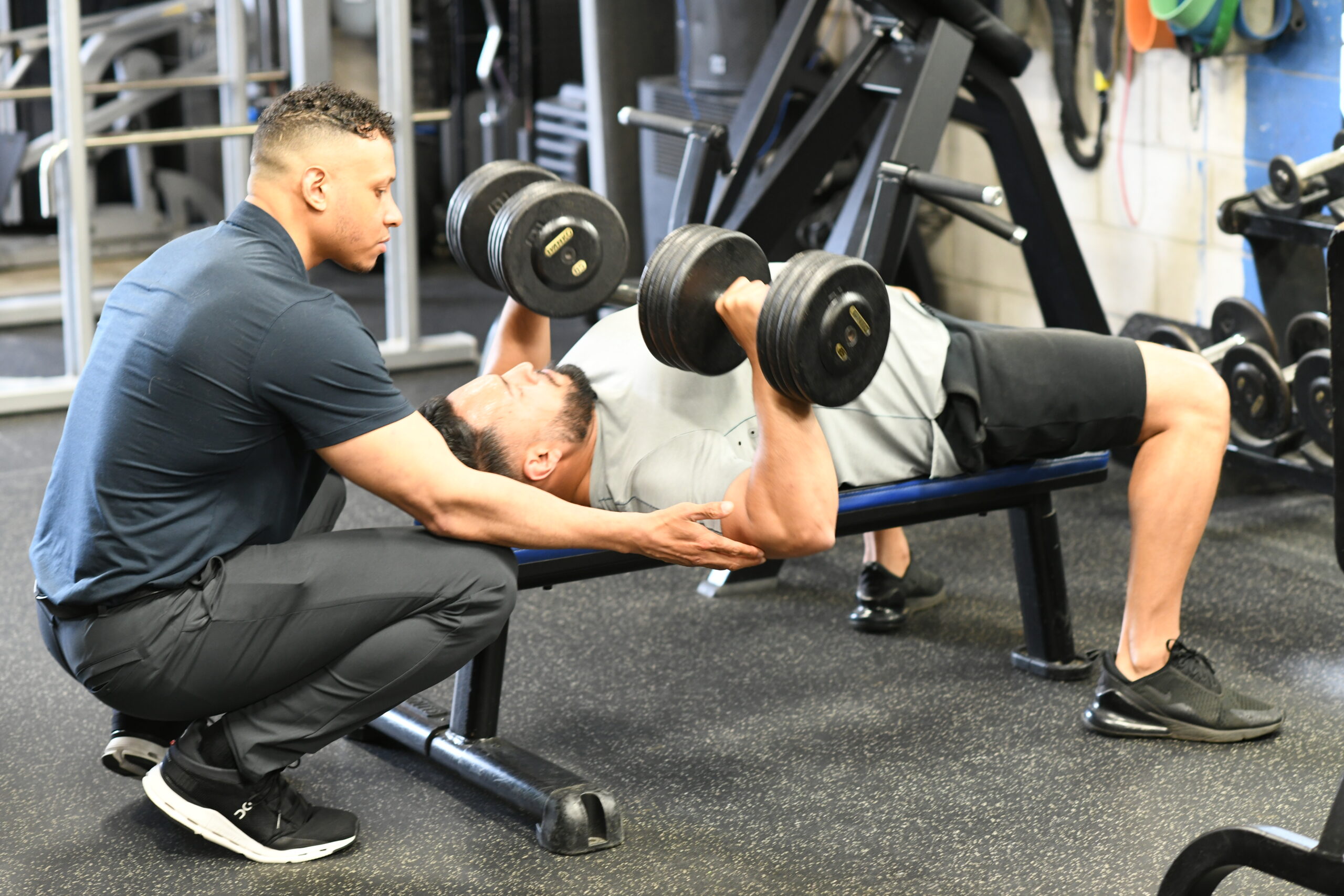
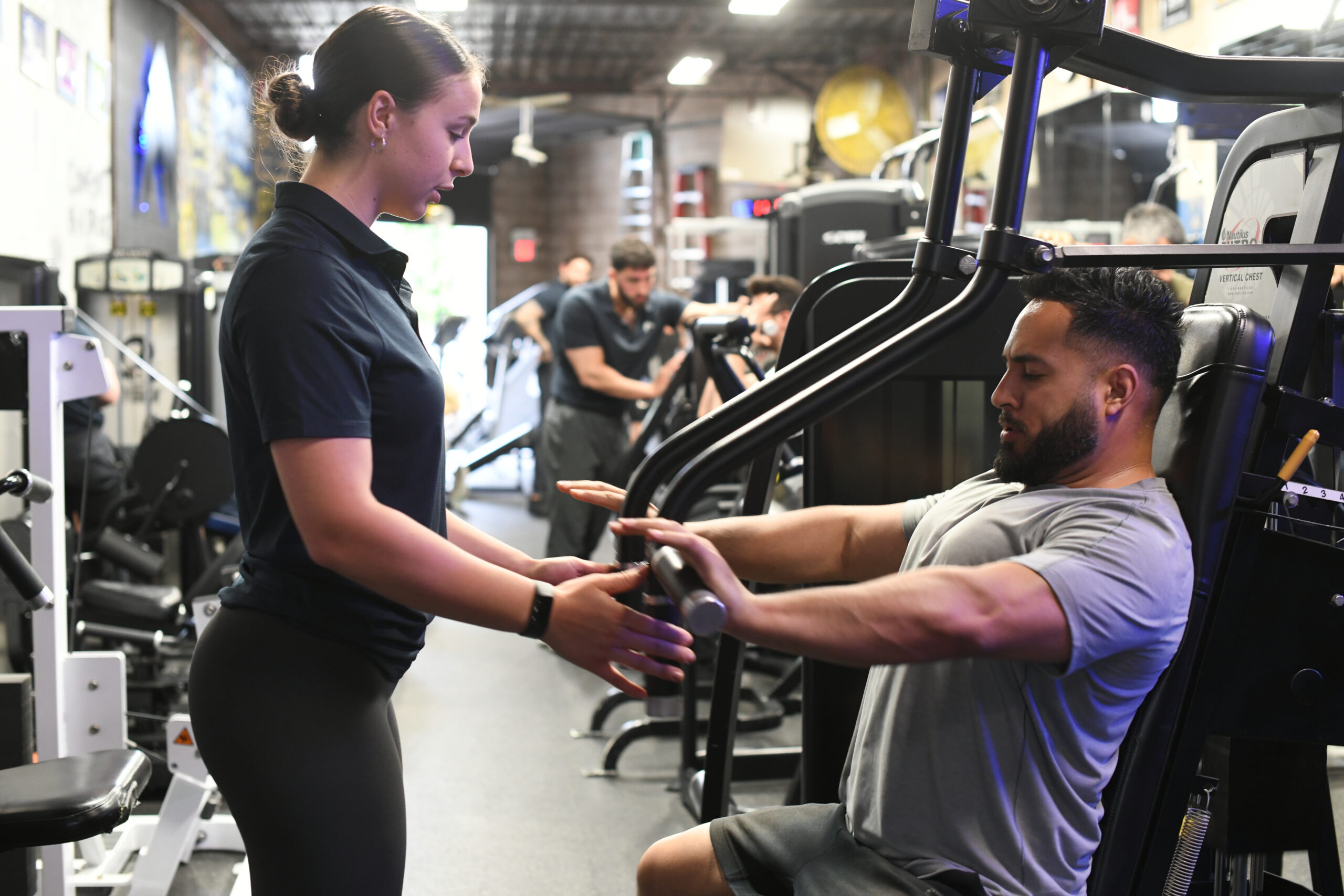
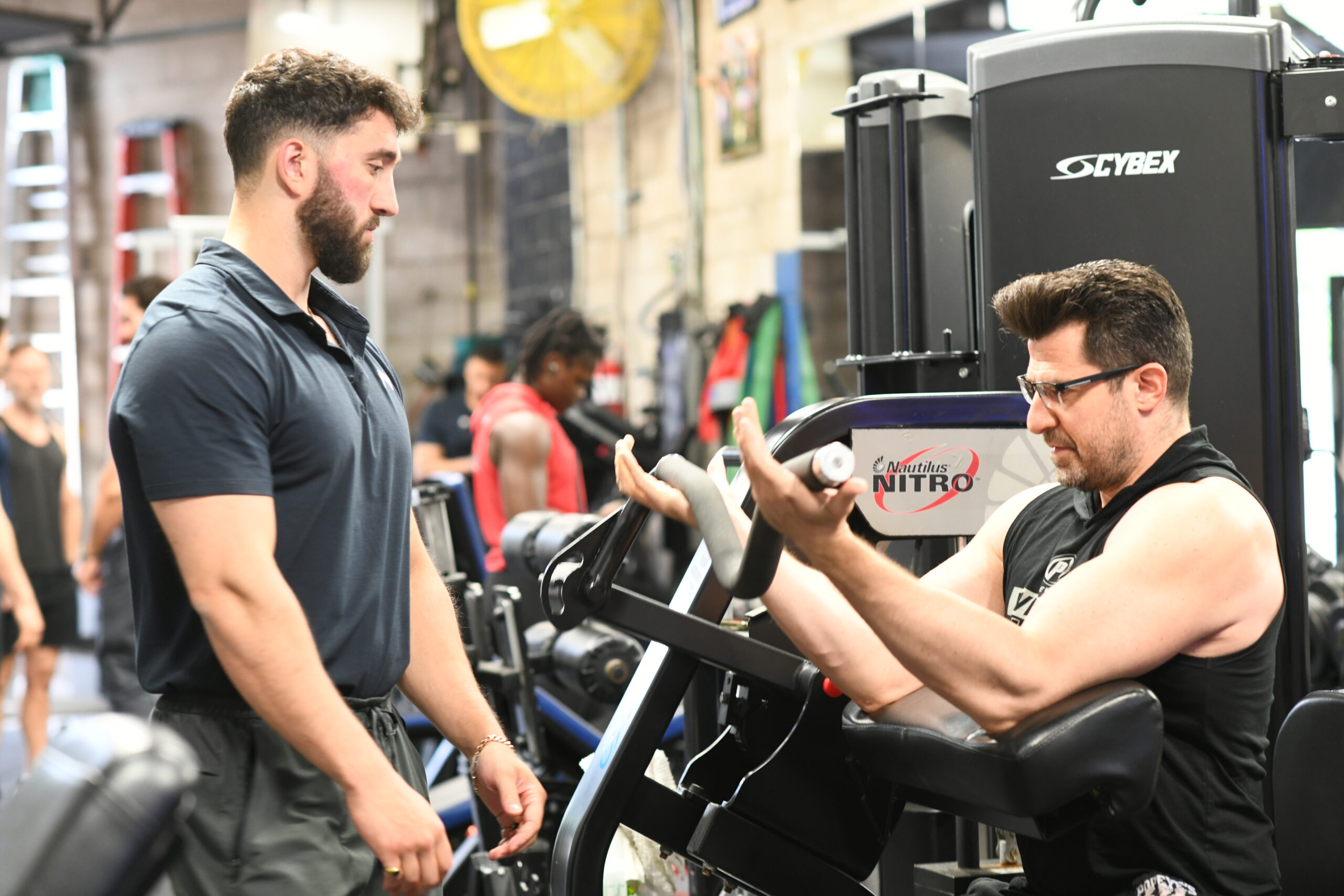
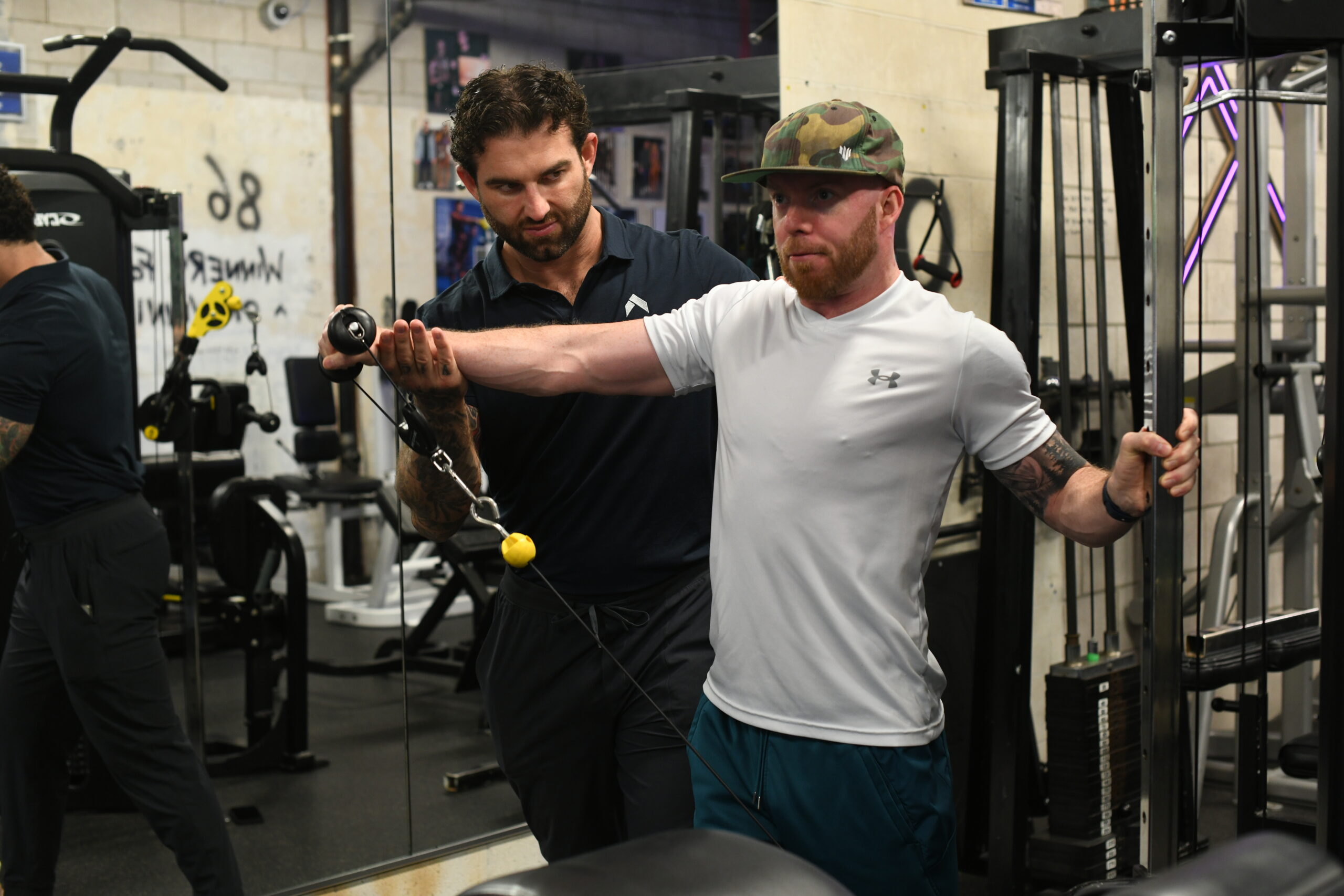
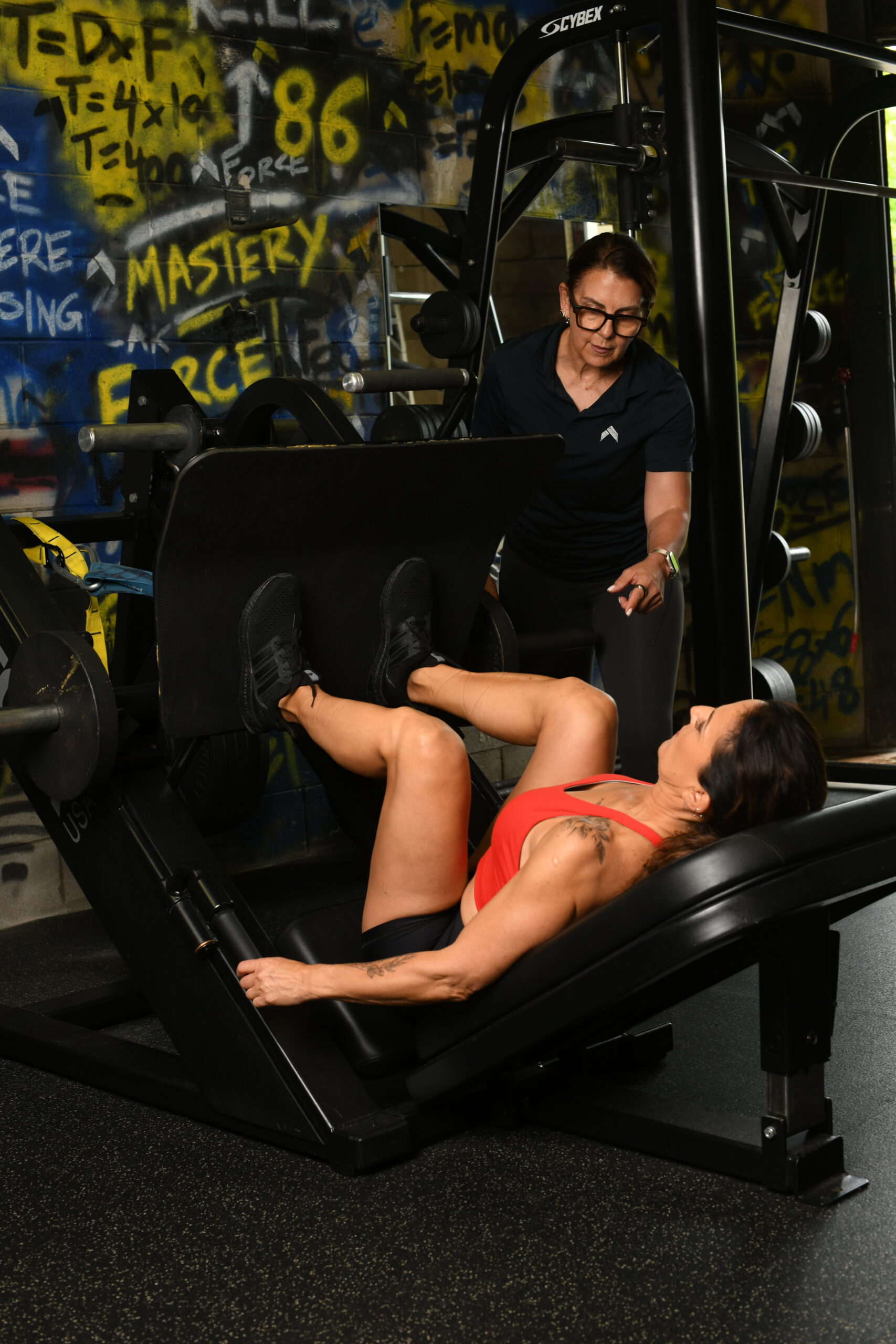
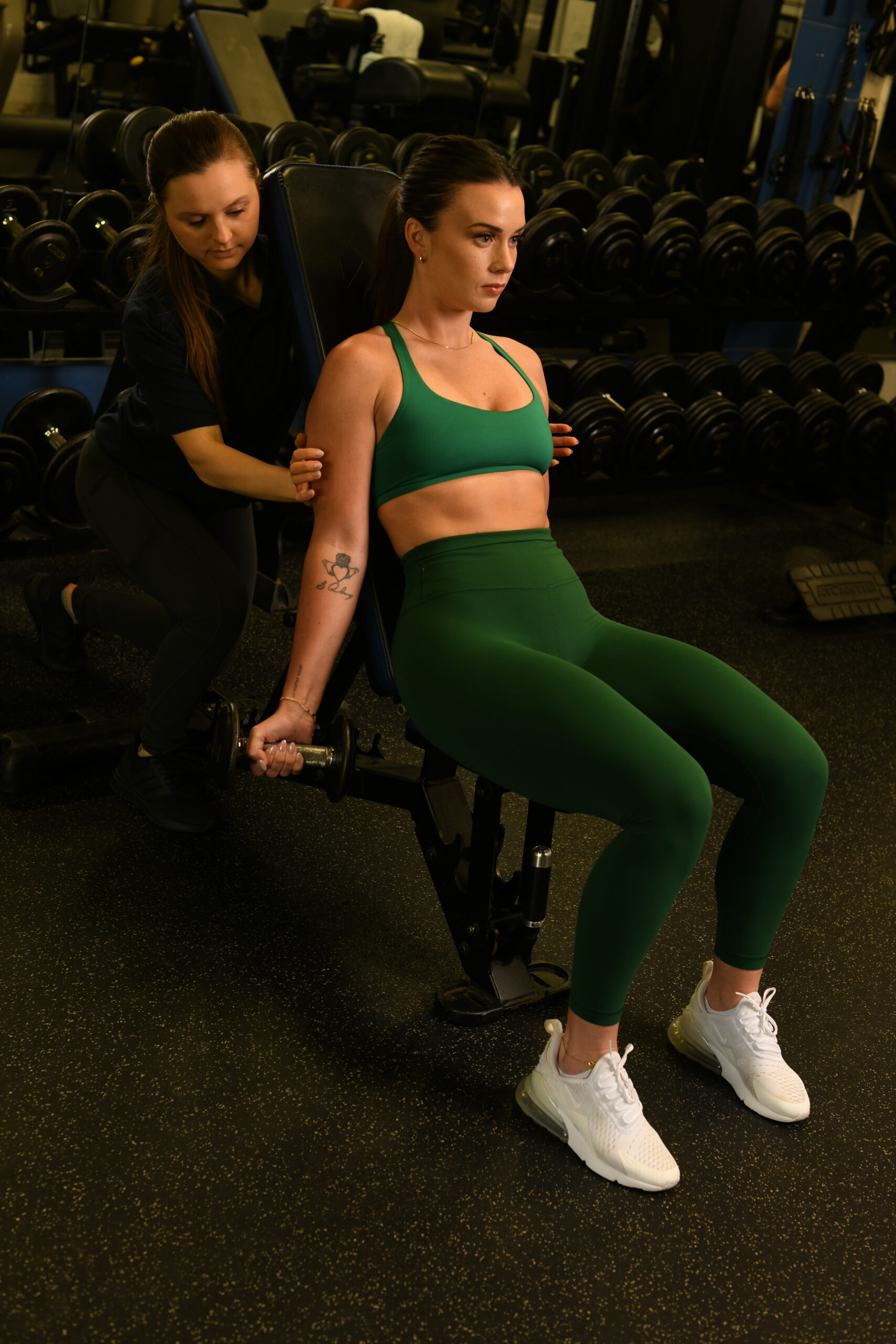
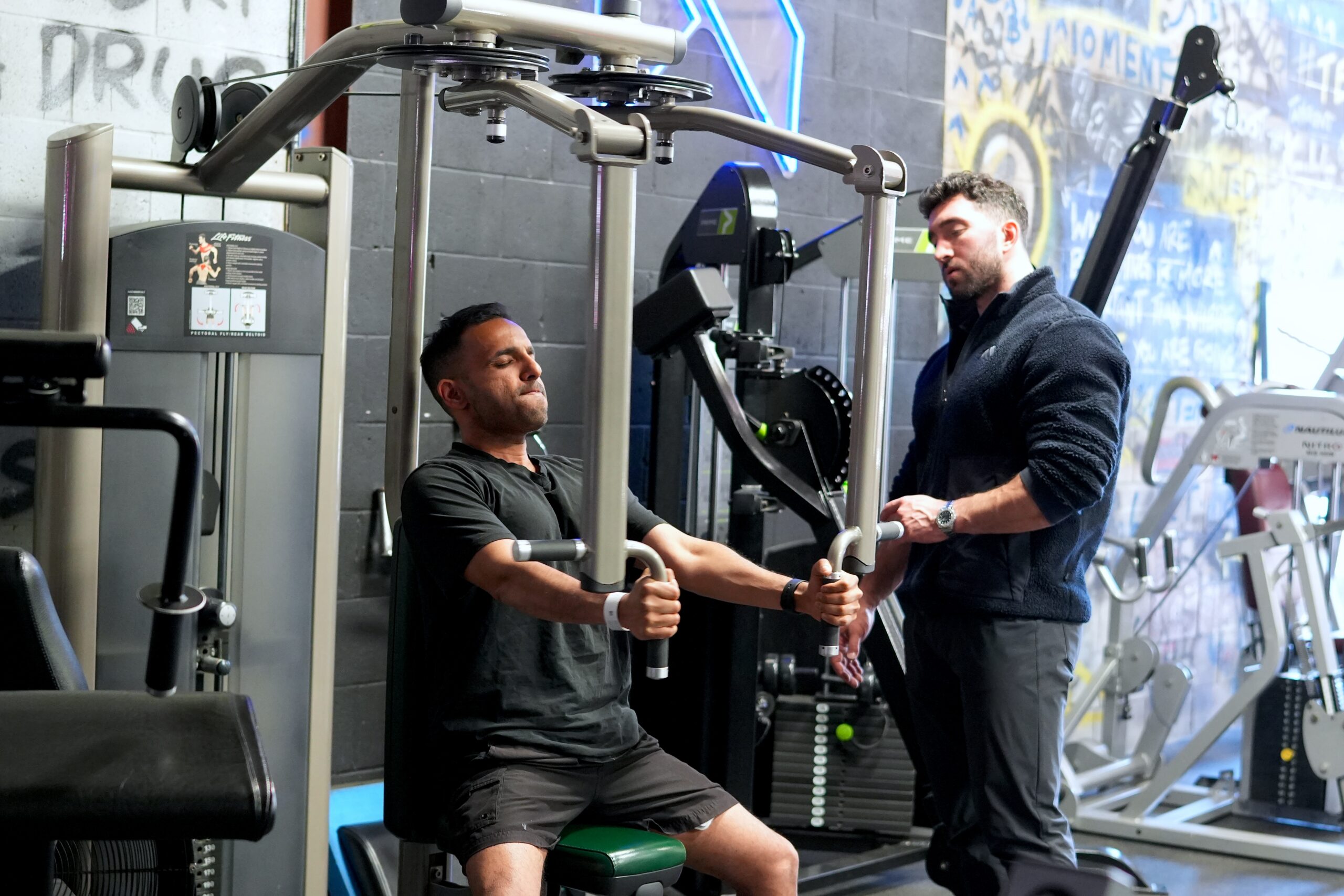
Every machine at Hammer Fitness is handpicked by founder Amer Kamra — rare, world-class resistance training equipment sourced from around the globe and, in several cases, not found in another gym in Canada. Chosen for one reason: to get you results faster, safer, and with nothing wasted.
Equipment that does the
work with you.
Most gyms fill their floors with whatever's cheapest and call it a day. We did the opposite. Every piece at Hammer Fitness is curated, sourced, and imported from around the world — hand-selected for the engineering features that let you safely take a muscle closer to true proximal failure, the point where real growth is built.
The result: every rep counts, nothing gets wasted, and changes show up faster. It's the difference between training hard and training smart — and it's why our coaching philosophy starts with the tools before it gets to the programme.
Three reasons our floor
changes bodies.
Built to Feel Right
Stable, smooth, and rock-solid. Our machines are engineered so your effort goes exactly where it should — straight into the muscle you're training, not into fighting a wobbly frame. You'll feel the difference on your first set.
Fits Every Body
No two bodies are the same, so a one-size-fits-all machine doesn't cut it. Ours adjust to you — including precision air-resistance machines that dial the load in exactly, whether you're a first-timer, returning from injury, or prepping for a stage.
Loads You Where It Counts
Great machines challenge a muscle hardest where it's strongest and ease off where it's weakest. That's a matched resistance curve, and it's how you get more from every set with far less joint stress.
Handpicked by
Amer Kamra.
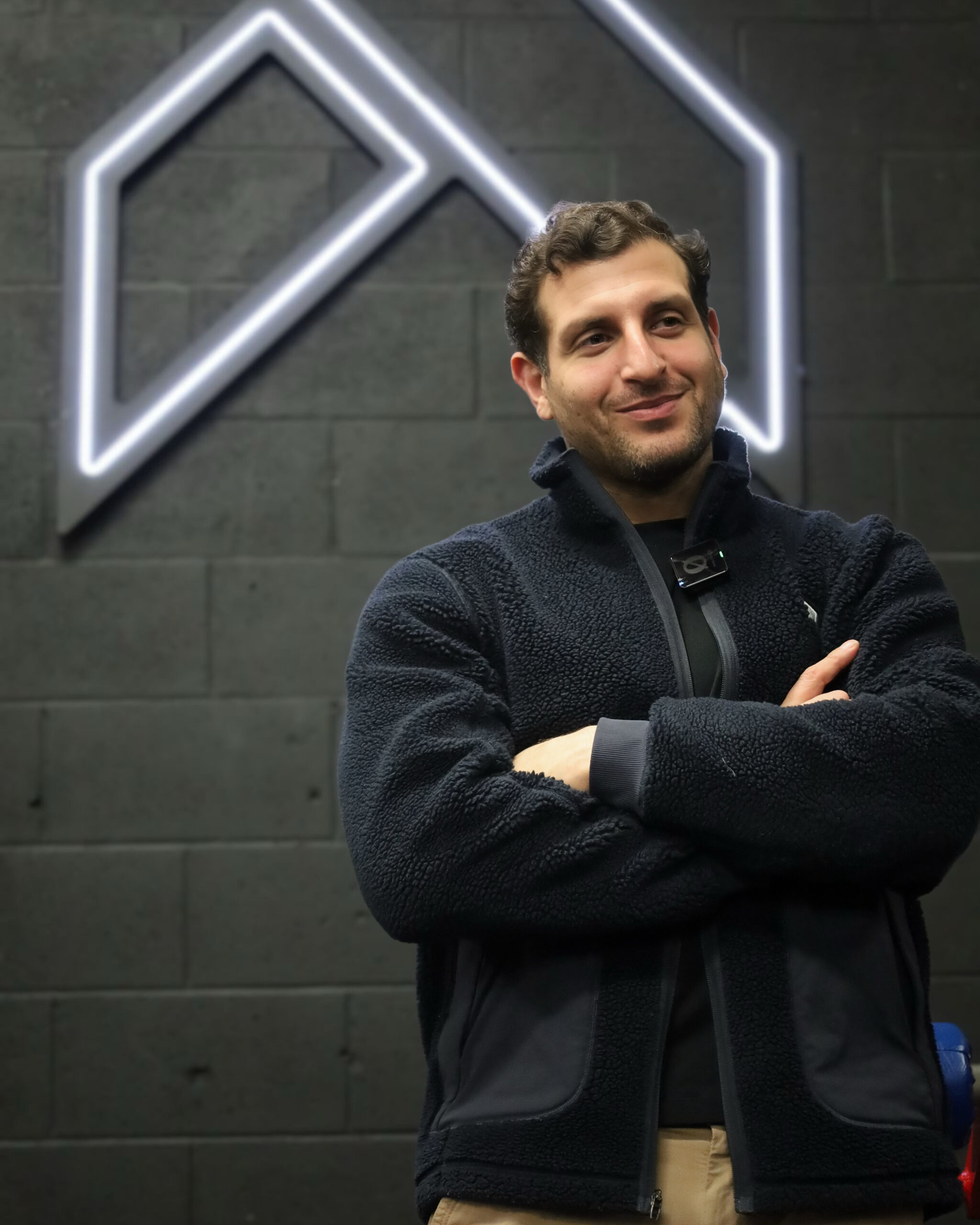
Amer has spent over a decade hunting down the finest training equipment in the world — testing, comparing, and curating a collection most commercial gyms could never assemble.
With a background in engineering and a Masters in Resistance Training under world authority Tom Purvis, he knows exactly what separates a world-class machine from an ordinary one. He's obsessive about the details so you don't have to be.
Train here and you're not training on whatever the gym down the street bought in bulk. You're training on a floor built piece by piece — and run by a coaching team trained to use it properly.
Engineer's Eye
An engineering background means Amer sees what most trainers can't — the structure, the leverage, and the build quality in every machine.
World-Class Education
A Masters in Resistance Training under Tom Purvis — the highest level of movement education available to a coach anywhere.
13+ Years Curating
More than a decade sourcing rare, elite machines from around the globe — and bringing the best of them under one roof.
Results Obsessed
Every machine earns its place for one reason: it helps you build a better body, faster and safer.
See the collection.
Every piece on our floor is curated, sourced, and imported — chosen for the engineering that lets you push each set closer to proximal failure, where real change is built.
What happened to the
great machine builders.
Anyone who trained through the nineties will tell you the machines used to be better. They're largely right — but the usual explanation, that manufacturing simply got too expensive, isn't what happened. The engineering-led companies didn't fail. They were bought.
Cybex
Founded in 1970 and headquartered in Medway, Massachusetts, Cybex spent decades as one of the most respected names in commercial strength equipment. In January 2016, Brunswick Corporation acquired Cybex International for $195 million and folded it into its Life Fitness division. As part of the integration, the Medway manufacturing facility — around 150 employees — was shut down on 30 September 2017, with component fabrication and engineering relocated to other Life Fitness sites. In 2019, Brunswick sold the entire Life Fitness division to private equity firm KPS Capital Partners for $490 million.
Precor
Precor never disappeared, but it stopped being its own master. It spent years as a division of Finnish group Amer Sports, itself held by an investor consortium including ANTA Sports and Tencent, before Peloton acquired it for $420 million in a deal that closed in April 2021. What Peloton publicly wanted was 625,000 square feet of US manufacturing capacity and a team of roughly 100 R&D staff — capability for building connected cardio at scale, not for advancing strength machine biomechanics.
Nautilus
The most striking one. Nautilus is the company that made the variable-resistance cam famous in the first place — and it walked away from commercial equipment entirely, disposing of its commercial business in April 2011. The remaining consumer company rebranded as BowFlex in late 2023, filed for Chapter 11 in March 2024, and had substantially all its assets acquired by Taiwan's Johnson Health Tech for $37.5 million.
Icarian
Icarian's plate-loaded line still has a following among lifters who remember it. The brand is no longer produced — another engineering-driven name absorbed during the same wave of consolidation.
The pattern isn't manufacturing cost. It's consolidation.
Independent, engineering-led builders were rolled into conglomerates and private equity portfolios. Plants closed. Engineering teams were merged into shared facilities. Product decisions moved from biomechanists to people managing margin and distribution across a brand portfolio.
Nobody set out to build worse machines. Biomechanics just stopped being the thing the decision was optimised for.
What cost engineering actually changes
When a machine is designed to a price rather than to a movement, the compromises land in predictable places — and they're invisible on a spec sheet:
- The cam gets simplified or dropped. A properly profiled cam is expensive to design, prototype and tool. A round pulley costs a fraction and still "works."
- Adjustability narrows. Fewer seat and pad positions means fewer parts, but it also means the machine fits an average nobody actually is.
- Frames get lighter. Less steel is cheaper to build and cheaper to ship. It also flexes, and effort that goes into flexing a frame doesn't go into the muscle.
- Alignment gets approximate. Lining a machine's axis of rotation up with a joint's is engineering work. Getting it close enough to sell is not.
None of this is about where a machine is made. Excellent equipment is built on several continents, and plenty of expensive equipment is poorly designed. It's about whether the resistance profile was engineered around a muscle or around a budget.
Why the cam is
the whole argument.
Your muscles are not equally strong through a range of motion. In a bicep curl you're weak at the bottom with the arm extended, strongest around the middle, and weaker again at the top. Plot that across the movement and you get a strength curve — and every muscle has its own shape.
A free weight can't respond to that. Gravity pulls straight down with constant force, so the effective resistance is dictated purely by leverage. A plain round pulley on a machine does the same thing: constant resistance across a variable strength curve.
What a properly profiled cam does
A cam is a non-circular pulley. Because its radius changes as it rotates, the resistance it delivers changes through the range — and if the profile is engineered correctly, it changes to match the strength curve of the muscle it trains. Heavy where you're strong. Lighter where you're weak.
Here's the part that matters, stated precisely.
You can absolutely reach muscular failure on a barbell or a badly designed machine. The problem is where you fail. With a mismatched resistance curve, the set ends at your weakest joint angle — the sticking point — while the rest of the range never received a challenging load at all.
You stop because one position gave out, not because the muscle is fatigued. The stimulus you actually banked is a fraction of what the set cost you.
Match the curve and the muscle is meaningfully loaded across the whole range. Failure then reflects genuine fatigue rather than a mechanical bottleneck — which is the difference between a set that produces adaptation and a set that just produces tiredness.
The minimum effective dose
The minimum effective dose is the smallest amount of training that produces the adaptation you're after. It's the goal because everything past it is cost — more fatigue, more joint stress, more recovery debt, more time — bought at a declining rate of return.
Equipment is one of the few levers that moves the MED without asking more of you. A machine that loads a muscle properly across its full range extracts more stimulus from the same set. Fewer sets are needed for the same result, so training gets shorter and recovery gets easier — which matters most for the people with the least room in their week.
That's the whole reason this floor was assembled the way it was, and why our coaching approach starts with matching the person to the machine rather than handing out a template.
The builders still
doing it properly.
Consolidation didn't take everyone. A handful of manufacturers stayed independent, kept their engineering in-house, and continued designing around movement rather than around a catalogue. Those are the machines we hunt for — alongside well-maintained examples from the older generation, which is why you'll find equipment on our floor that hasn't been manufactured in years.
Atlantis Strength
Still independent, still manufacturing in Quebec. A Canadian survivor of exactly the consolidation wave that absorbed its American contemporaries, and a builder whose machines are specified by engineering rather than by price point.
The classic Nautilus and Cybex generation
Machines from the era when cam design was the product rather than a line item. Well-kept examples are increasingly hard to find, and they remain among the best-loading equipment ever built for several movements.
Modern specialist manufacturers
A newer group of builders has emerged specifically in reaction to mass-market equipment, producing low-volume machines with properly profiled cams and serious adjustability. We buy from them individually, machine by machine, rather than taking a package deal from one supplier.
That's the reason our floor looks nothing like a franchise gym's. Nothing here was bought as a set.



Machines on our floor come from manufacturers across North America and Europe, selected individually rather than bought as a package. If there's a specific machine you train on and want to know whether we have it, just ask.
Equipment questions.
What kind of equipment does Hammer Fitness have?
A curated collection of resistance training machines sourced and imported from manufacturers around the world, chosen for their engineering rather than their price. The floor includes selectorised and plate-loaded machines, air-resistance equipment that allows precise load adjustment, and free weights — selected to complement each other rather than duplicate.
Can I use the equipment without a trainer?
No. Hammer Fitness is a private, appointment-only personal training facility rather than an open-access gym. Access to the floor comes with coaching, which is also how you get the most out of machines that need setting up correctly for your body. See how our training works.
Where is the gym located?
21 Progress Ave, Unit 7, Scarborough, Ontario — around 15 minutes from downtown Toronto and reachable from across the GTA.
Why does equipment quality actually matter?
A well-engineered machine matches its resistance curve to the strength curve of the muscle — loading hardest where the muscle is strongest and easing off where it's weakest. That lets you train closer to failure with less joint stress, so each set produces more stimulus for less risk. A poorly built machine does the reverse and you compensate by fighting the frame.
Do you have Cybex, Nautilus or Atlantis machines?
Our floor includes equipment from independent manufacturers such as Atlantis Strength alongside well-maintained machines from the classic Cybex and Nautilus era — several of which are no longer produced at all. If there's a specific machine or manufacturer you train on, call and ask; we'll tell you straight whether we have it.
Why did companies like Cybex and Nautilus stop making equipment the way they used to?
They were acquired rather than out-competed. Brunswick bought Cybex in 2016 and closed its Medway, Massachusetts plant in 2017; Life Fitness was then sold to private equity in 2019. Precor became part of Peloton in 2021. Nautilus exited commercial equipment in 2011 and its remaining business was sold out of Chapter 11 in 2024. Engineering teams were absorbed into shared facilities and product decisions shifted toward portfolio economics.
What makes a machine's cam important?
A cam is a non-circular pulley whose radius changes as it rotates, so the resistance it delivers varies through the range of motion. Profiled correctly, it matches the strength curve of the muscle — heavy where you're strong, lighter where you're weak. Without that match, a set ends at your weakest joint angle while the rest of the range was never loaded hard enough to matter.
Do I need experience to train on this equipment?
Not at all. Machines are considerably easier to learn than free weights, and every session is one-on-one with a coach who sets up each piece for your limb lengths and range of motion. Beginners often progress faster here for exactly that reason — the transformations come from a range of starting points.
Come see the floor
for yourself.
Book a free consultation and we'll walk you through the gym, the equipment, and what a programme built around you would look like.
Let's get you started.
Fill out the form below and our team will reach out to schedule your free consultation.