
Stronger at 51: why building muscle matters more than losing weight.
For years women were told to eat less, do more cardio, and chase a smaller number. After 50, that playbook stops working — and muscle becomes the most important investment you can make.

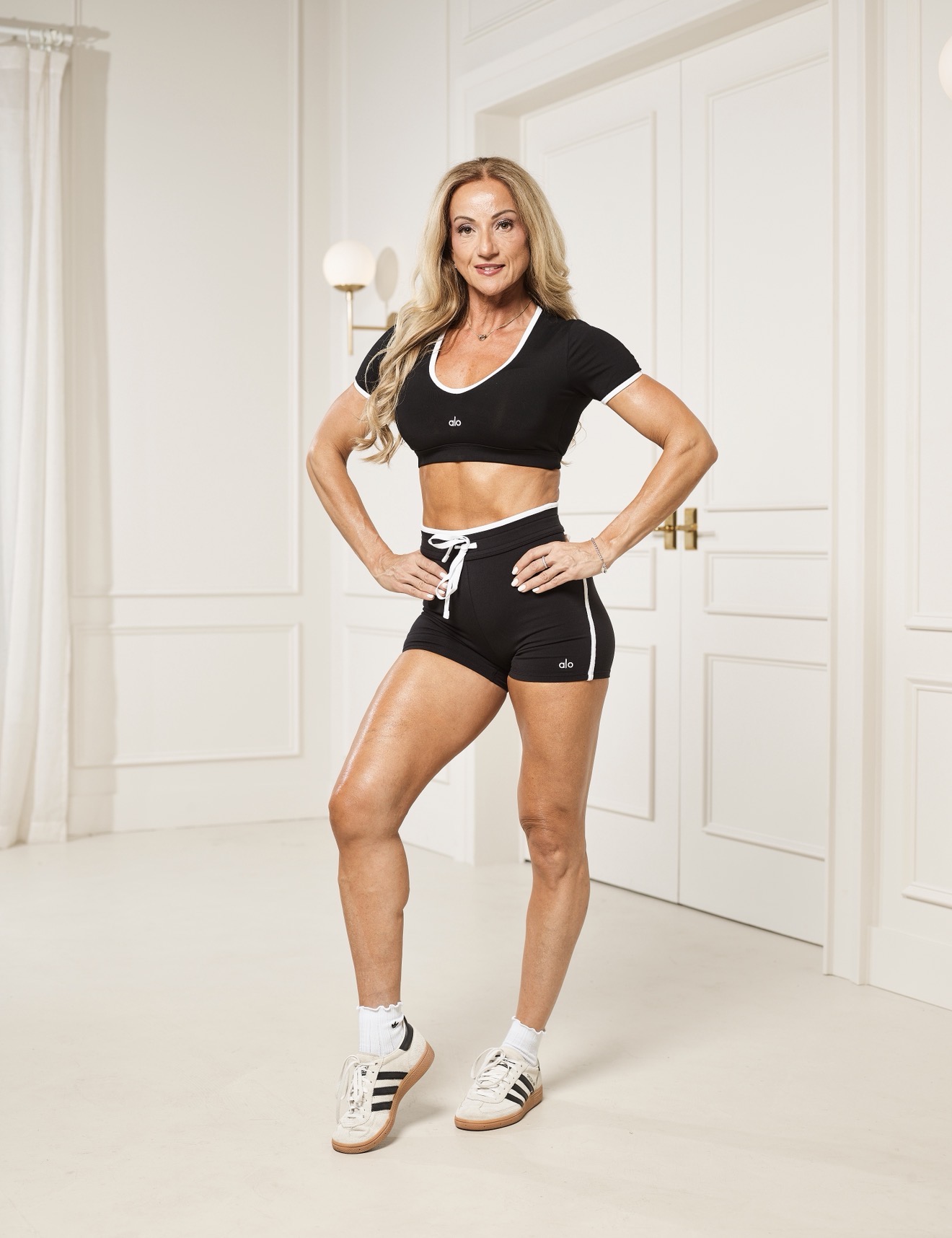
As a Dental Assistant at the University of Toronto's Faculty of Dentistry, I have spent much of my career helping others prioritize their health. I have seen firsthand the importance of prevention, consistency, and taking care of our bodies for the long term. Those same principles shaped my approach to fitness — and my passion for helping women become stronger, healthier, and more confident as they age.
At 51, I have learned something that completely changed the way I train and the way I coach: fat loss is not about becoming smaller. It is about becoming stronger, more capable, and more confident in your body.
Smaller was never the goal
For years, many women were taught that the goal was to eat less, do more cardio, and chase a lower number on the scale. But as the body changes through perimenopause and menopause, that approach does not work the same way. Muscle becomes one of the most important factors in long-term health, body composition, and quality of life.
"Do not focus on getting smaller. Focus on becoming stronger. Because strength changes everything."
Why muscle becomes non-negotiable after 50
As we age, we naturally lose lean muscle mass — and that loss affects metabolism, energy, strength, and body shape. This is why so many women feel frustrated when they are eating the same and training the same, yet gaining fat more easily than before. This is not failure. It is physiology.
The decline isn't fixed, though. It depends almost entirely on whether you give your body a reason to keep the muscle. Resistance training is that reason — and the gap it creates over time is dramatic.
The fix isn't restriction — it's resistance
The solution is not extreme dieting or punishing workouts. The solution is resistance training. Building muscle supports metabolism, improves insulin sensitivity, protects bone health, and creates a stronger, more functional body. It also changes how the body looks — more shape, more tone, more definition.
The real change is mindset
But the physical benefits are only part of the transformation. The real change happens in the mind. Many women reach this stage of life believing it is too late to change, or that their best body is behind them. That belief becomes more limiting than any workout plan or nutrition strategy.
I have seen it again and again with the women I coach. Once a woman begins to see herself as someone who trains, someone who is strong, someone who follows through — everything shifts:
- She stops quitting when things get hard.
- She stops restarting every Monday.
- She builds consistency instead of chasing perfection.
Nutrition supports — habits build
Nutrition still matters. Protein, whole foods, hydration, and balance all support fat loss, recovery, and healthy aging. Supplements can help, but they are not the foundation. Consistent habits are.
Train to live strong
At 51, I do not train to shrink my body. I train to build it, strengthen it, and keep it capable, confident, and resilient for years to come. My goal is not just to look strong — it is to live strong.
That is what I want for every woman I coach. Do not focus on getting smaller. Focus on becoming stronger. Because strength changes everything.