
If you define your worth by a number on the scale, you're setting yourself up for a cycle of frustration that has nothing to do with your actual progress.
The scale has become one of the most powerful — and most misleading — tools people use to judge themselves. Too many people step on it every morning and let that single number determine their mood, their confidence, and whether they believe they're succeeding.
The number lies more than it tells the truth
Your weight can fluctuate by several pounds in a single day based on water retention, hormones, sodium intake, stress, sleep quality, digestion, inflammation, and the food currently moving through your digestive system. A salty meal, a sleepless night, hormonal changes in a woman's cycle, or an intense workout can send the number climbing overnight — without a single pound of fat being gained.
Here's another example: after a resistance training session, the scale often goes up. Your muscles retain water as part of the recovery process; it's how your body repairs tissue and builds strength. It's completely normal, and it has nothing to do with fat gain.
Muscle doesn't always show up as weight loss
Building muscle is one of the most powerful things you can do for your metabolism, your health, and your long-term body composition. But muscle growth doesn't always show up as weight loss. Many people find that while the scale barely moves — or even creeps up slightly — their body is visibly transforming. Their clothes fit better, their waist is smaller, they look leaner and feel stronger.
Yet because the number isn't dropping fast enough, they convince themselves they're failing.
Think about that for a moment. You're showing up consistently, completing your workouts, focusing on your nutrition, drinking your water, and getting stronger every week. And then you allow one number to tell you none of it counts.
That's the trap of emotional attachment to the scale.
Use the scale as a tool, not a verdict
To be clear, the scale isn't useless — it just shouldn't control your emotions. Used the right way, it's simply one more data point in a much bigger picture. The key is looking at the trend over time rather than obsessing over a single morning's reading. A weekly or monthly average tells you far more than any individual number ever could.
Real, meaningful progress comes from combining that trend with your progress photos, your measurements, how your clothes fit, your performance in the gym, and how you feel day to day.
The scale is a data point. It is not a report card.
When you fixate on seeing that number drop, you don't just miss the progress happening right in front of you — you keep yourself in a constant state of anxiety and self-doubt, chasing a metric that was never designed to tell the whole story on its own.
Your body is so much more than a number.
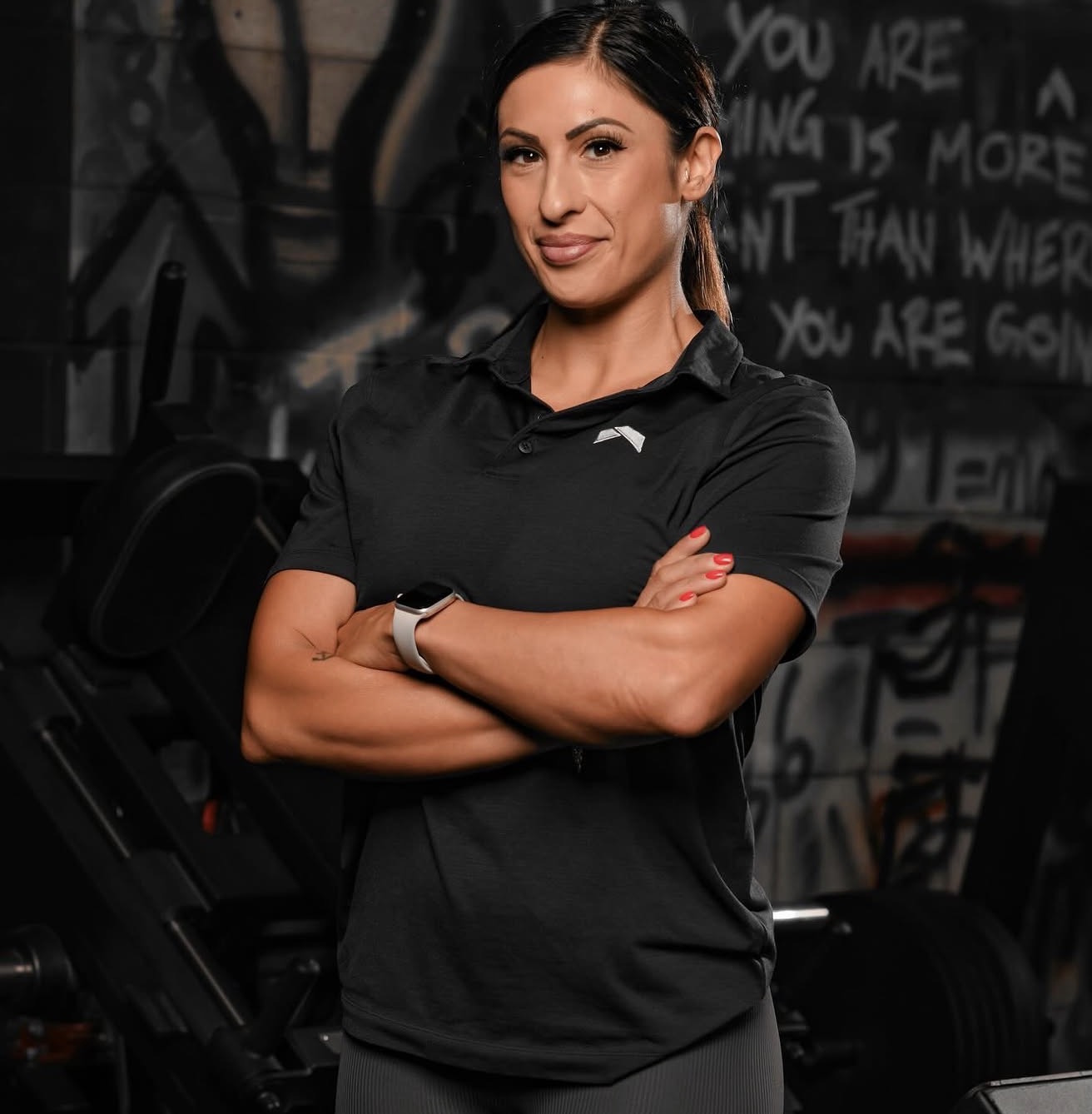
Malvina Mana
LADYTHEFUP Coach at Hammer Fitness. With over a decade of coaching experience, Mal blends empathy, authenticity, and accountability to help clients build sustainable, lasting change — one percent better every day.
@coachmal.m__