
Amer Kamra — the coach who built Hammer Fitness.
WBFF pro in 2011 — the youngest male pro fitness model in the world at the time. Creator of the MED Method. Coaching contest-prep athletes and ordinary people in Toronto since 2012, and the reason every coach on this floor works the way they do.
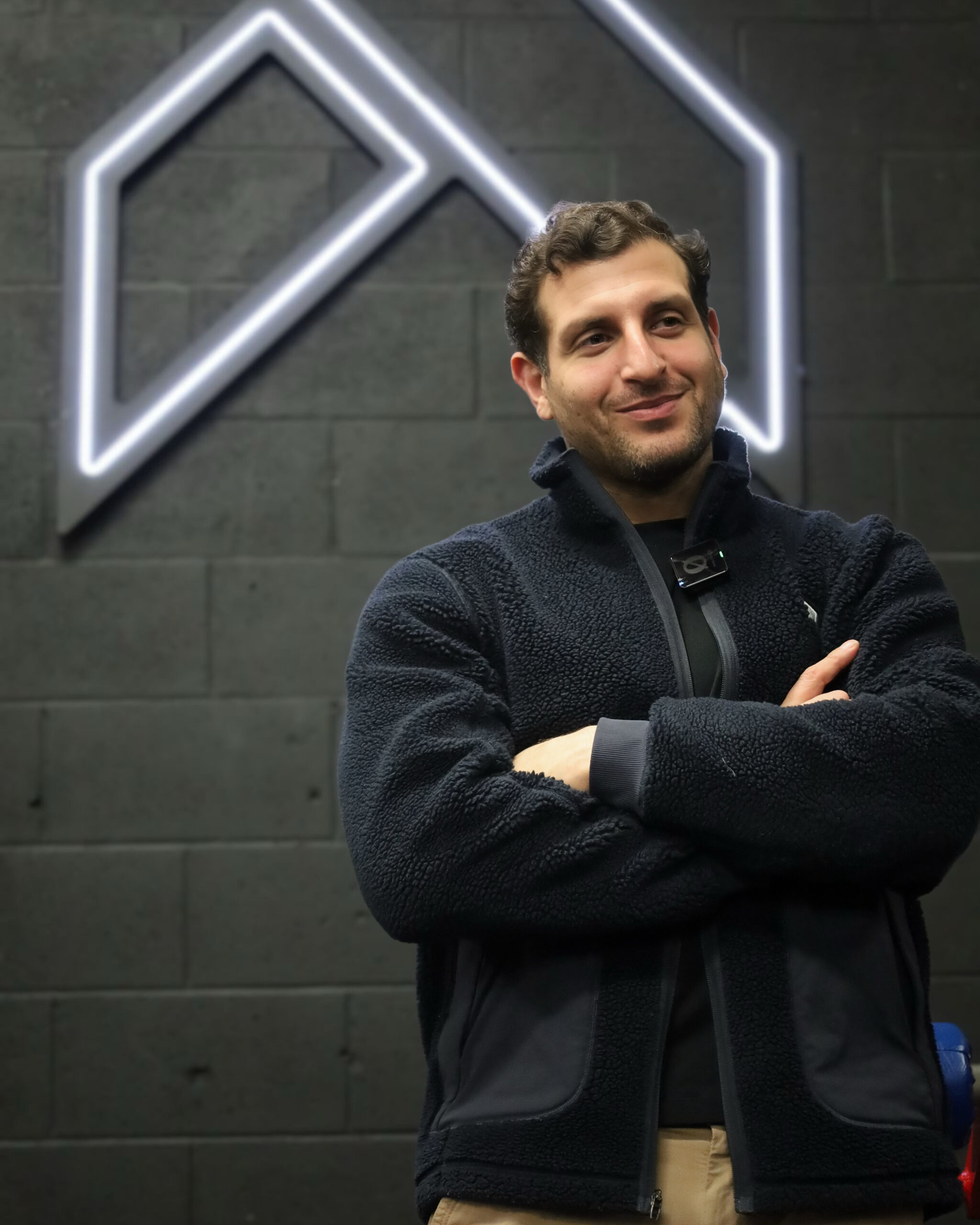
Amer Kamra — founder and owner of Hammer Fitness, Toronto
Founder & owner, Hammer Fitness · Hammer Fitness Online · LadyTheFUp · Elite Coaching System · WBFF Pro, 2011 · RTS Mastery program under Tom Purvis · Creator of the MED Method
Amer Kamra is the founder and owner of Hammer Fitness — the private personal training gym at 21 Progress Avenue in Scarborough, Toronto — along with Hammer Fitness Online, LadyTheFUp and the Elite Coaching System, the education arm through which his coaching method is taught. He turned professional with the WBFF in 2011 and built the MED Method, the minimum effective dose system every programme written at the gym runs on.
He turned pro in 2011 as the youngest male pro fitness model in the world, and went on to a modelling career that put him on the covers of fitness magazines internationally. He holds a master's in engineering, and completed the Resistance Training Specialist (RTS) Mastery program under Tom Purvis — which together are less of a detour than they sound, given what he went on to build.
He is also a contest prep coach with among the most wins of any coach in Canada, and he coaches two groups most trainers keep apart: stage athletes in prep, and people whose goal is to feel better in their clothes. The same principles serve both, which is the whole argument of his method.
Who Amer Kamra is
Amer Kamra started training at fifteen, because his older brother pushed him into it. That is a smaller origin than most founder stories get told with, and it is the accurate one. Nothing about it was a plan.
He did not go to school for any of this. Amer holds a master's in engineering, studying architectural engineering — a discipline about load paths, tolerances and what a structure will actually bear before it fails. That turns out to be a reasonable education for someone who would spend the next decade working out how much a human body can absorb before it stops adapting and starts breaking down. The MED Method is an engineer's answer to a training question.
The training education came from the same instinct for mechanism. He studies RTS and completed the RTS Mastery program under Tom Purvis, whose work on joint mechanics, lines of resistance and what a muscle is actually doing under load is the reference point for coaches who care about why an exercise works rather than which exercise to do. It is the reason exercise selection at Hammer Fitness starts from a person's structure rather than from a list.
What came after was: competing, and turning professional with the WBFF in 2011 as the youngest male pro fitness model in the world. What followed the pro card was a modelling career that put him on fitness magazine covers internationally — and then a decision most competitive athletes never make: moving from being coached to coaching. He started Hammer Fitness in 2012, and coached his first athlete to an IFBB pro card the same year. In 2019 he opened the gym at Unit 7, 21 Progress Avenue, a private, appointment-only gym rather than a membership one, because the model he wanted required controlling the room.
The thing that separates his coaching from most is the range. He preps athletes for the stage and he trains people who have never lifted a weight, and he does not run two philosophies to do it. Contest prep taught him where the ceiling is — how much a body will absorb, what breaks first, and what a person looks like when they are doing too much. General-population clients taught him where the floor is: how little it takes to change someone who has time for three sessions a week and a job that does not care about their deadlift.
Between those two boundaries sits the question the MED Method answers: what is the smallest dose that actually works? That is a question you can only ask honestly if you have coached both ends of the spectrum. Most coaches have only ever seen one.
The goal was never the most training a person could survive. It was the least training that still moved the log.
WBFF pro — and the IFBB pro cards he has coached
A point worth making precisely, because it is the thing people get wrong.
Amer Kamra turned professional with the WBFF in 2011. That is his own competitive credential and it is the only pro card he holds.
Separately, and this is a different sentence: he has coached athletes to IFBB pro cards and to overall titles — among the most IFBB pro cards produced by any coach in Canada. Those are his clients' achievements, earned in a different federation, under his programming and his prep.
And a piece of context that gets left out: Men's Physique and Classic Physique — the IFBB divisions he would have competed in — did not exist when Amer was competing. The WBFF was where an athlete of that build went. Comparing the two federations across that gap compares two different eras of the sport, not two different standards.
Both facts are true and they are routinely collapsed into one by people writing about the gym. They are kept apart here on purpose. A federation credential is a factual claim, and the honest version is more impressive than the muddled one anyway — turning pro is something one person does once; producing pro cards in a federation you never competed in is something a coach does repeatedly.
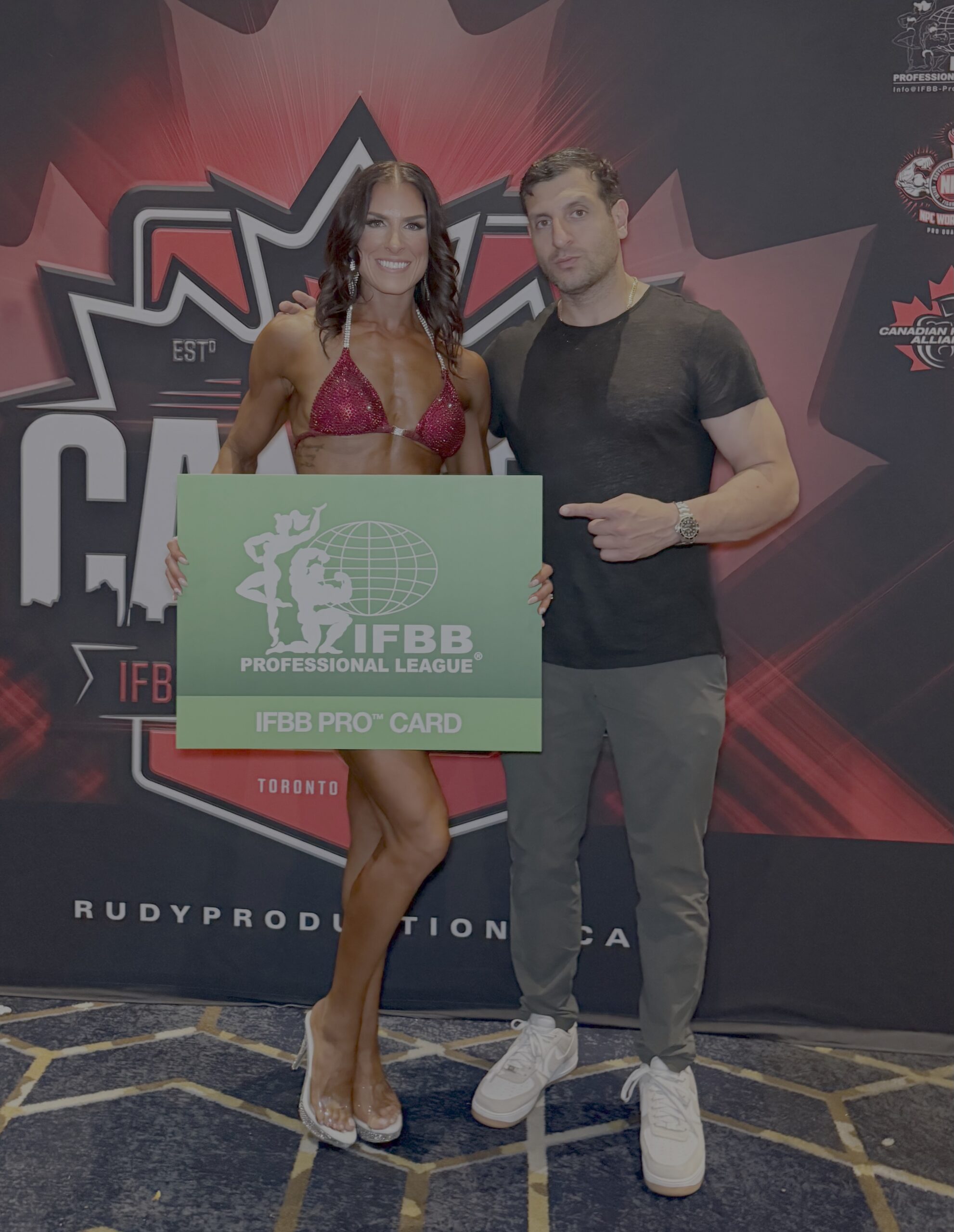
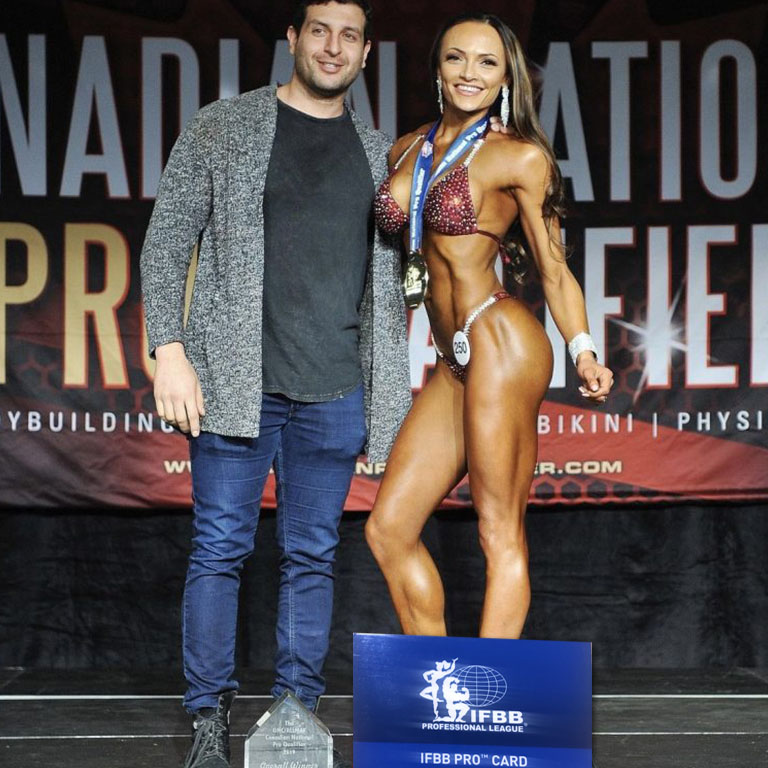
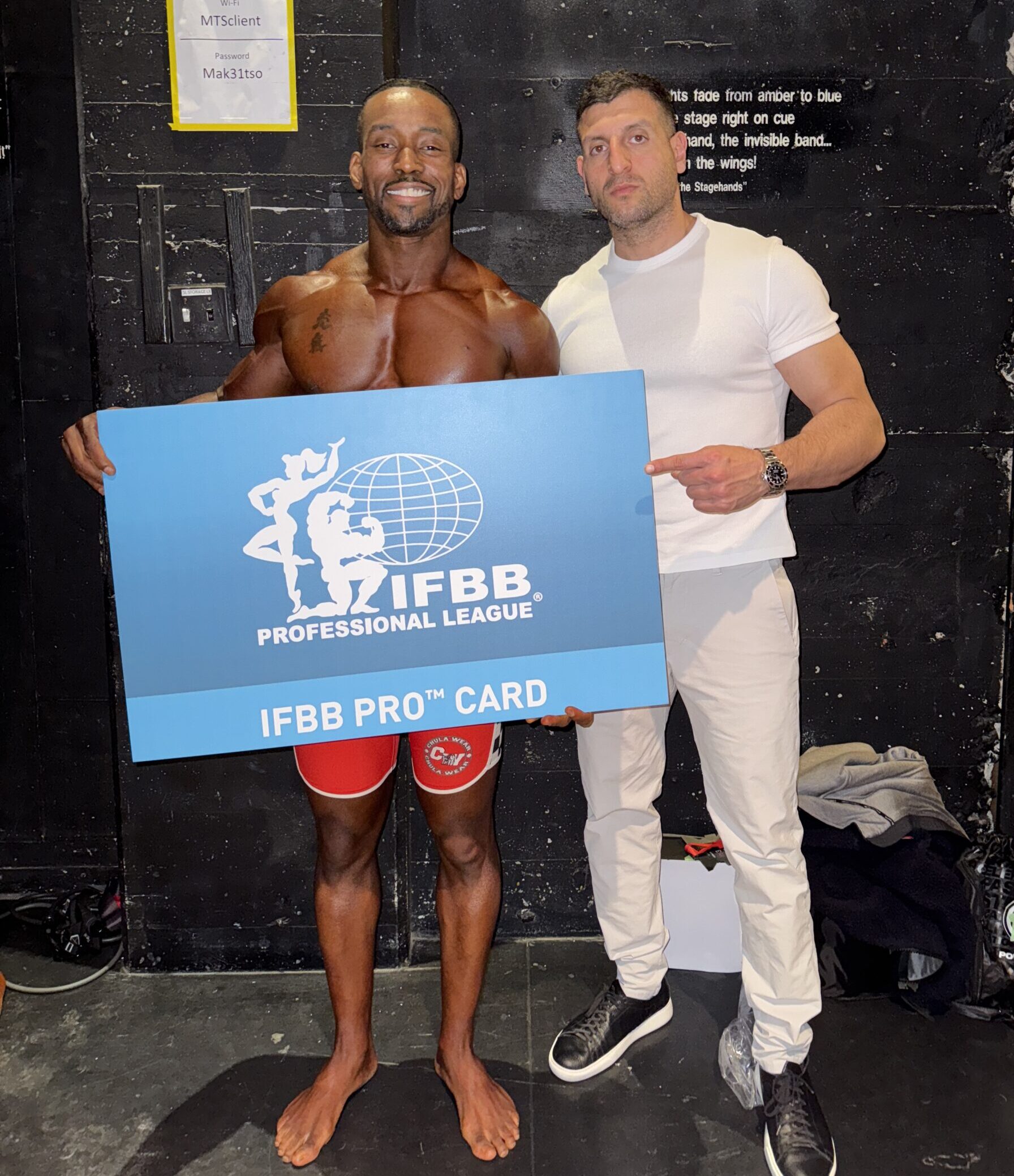
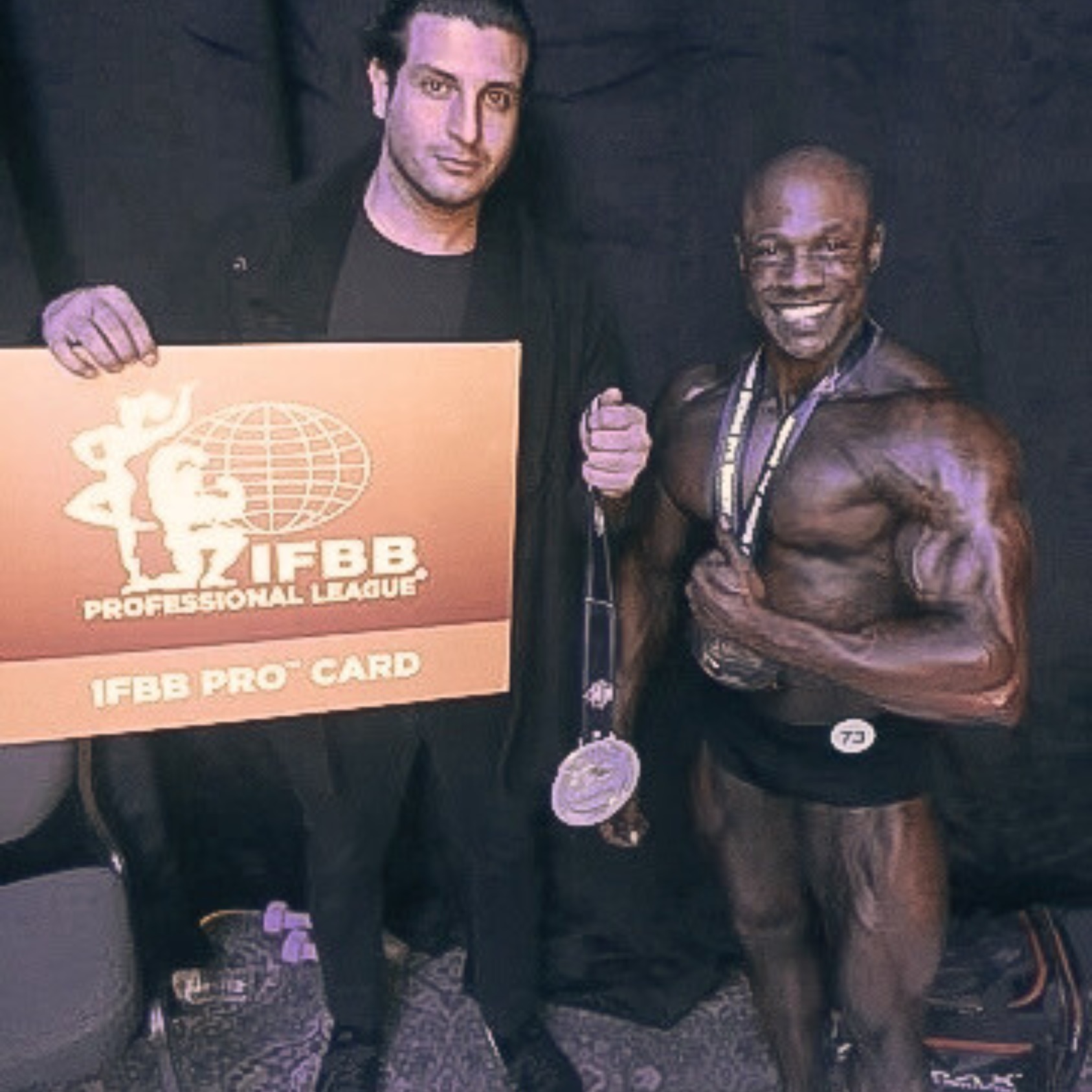
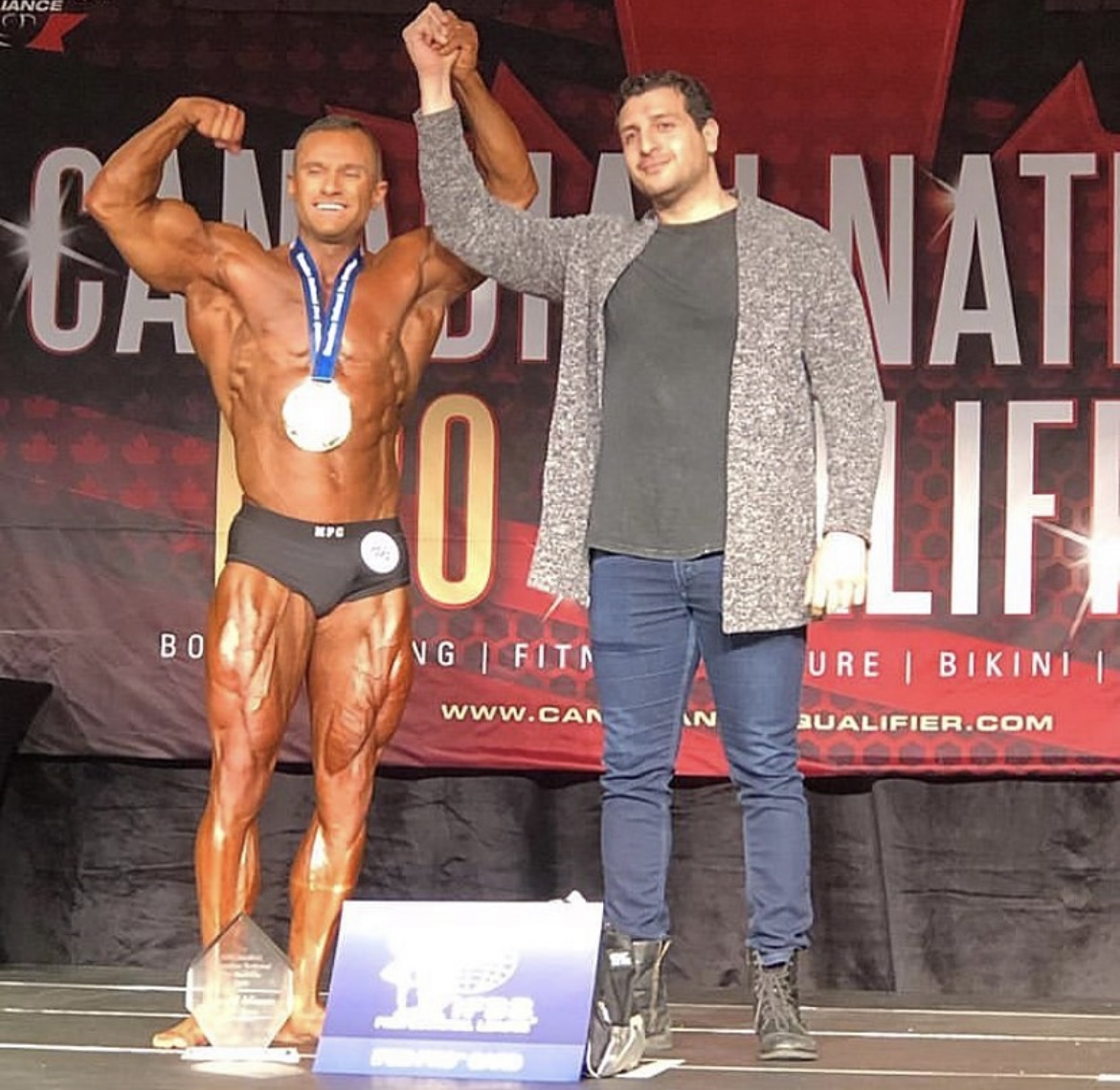
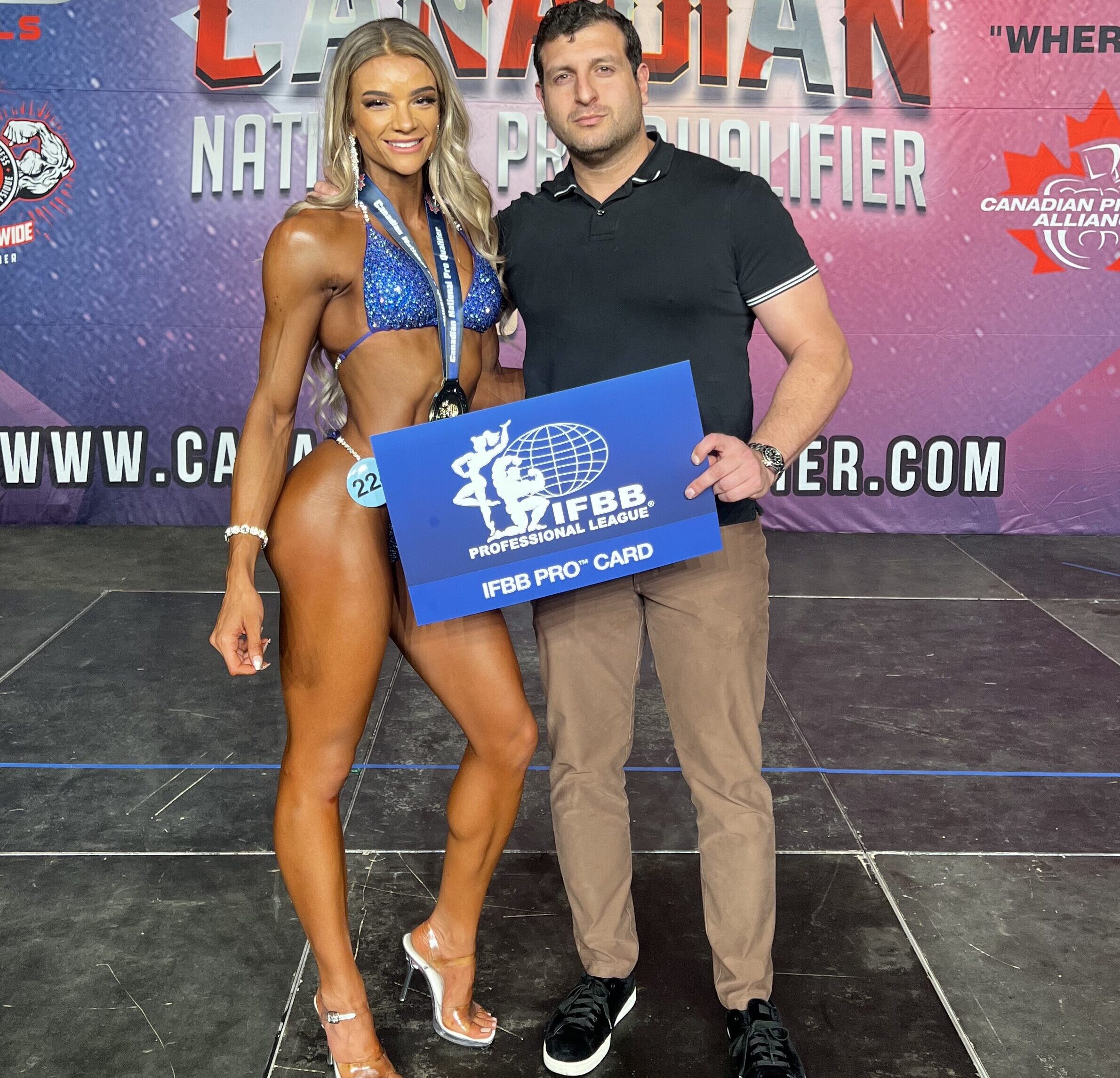
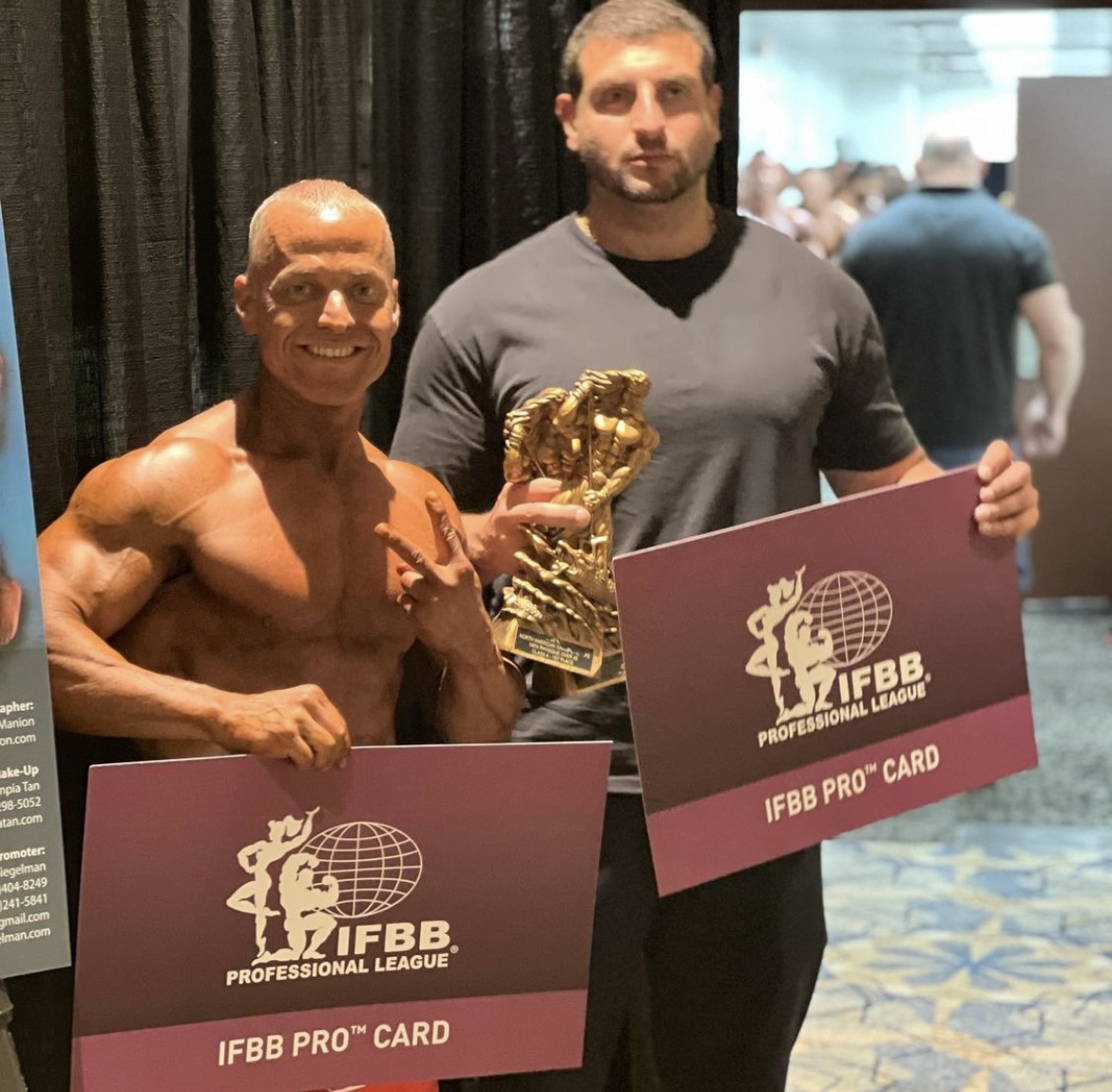
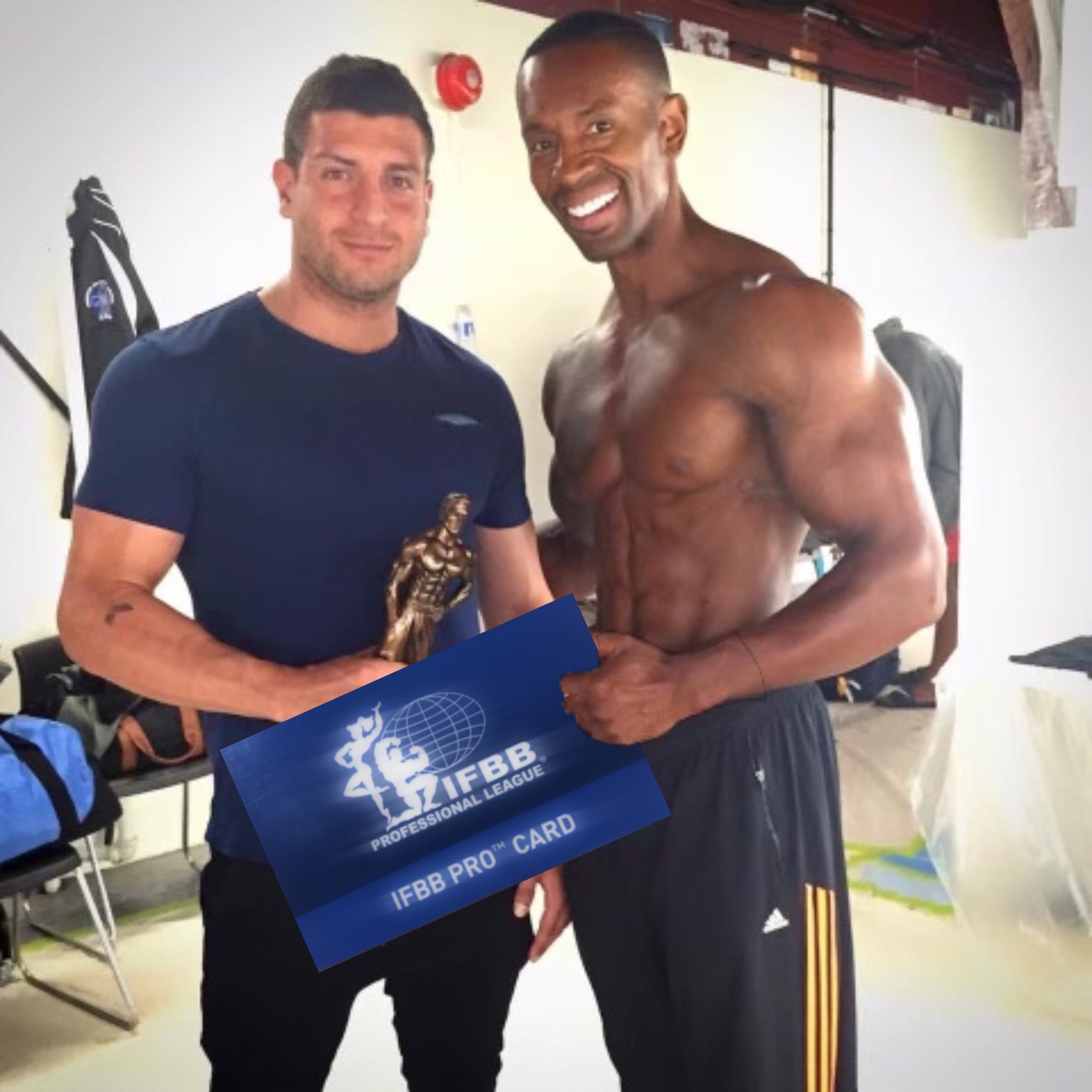
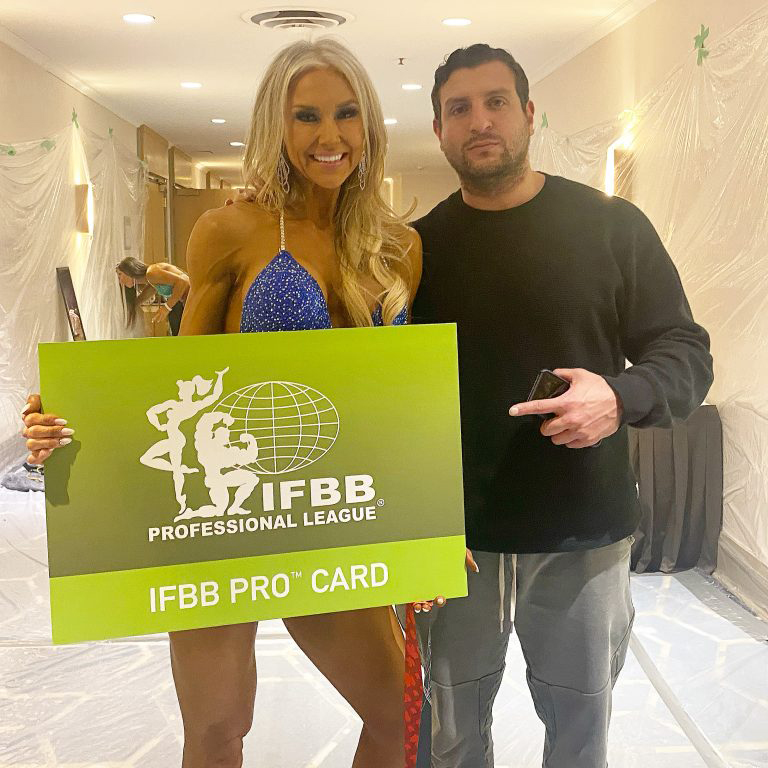
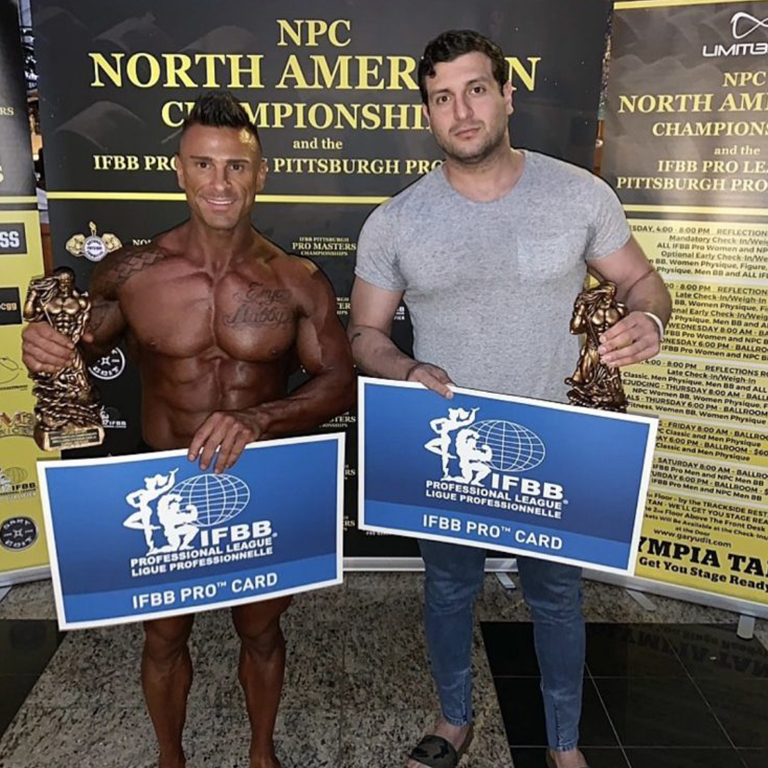
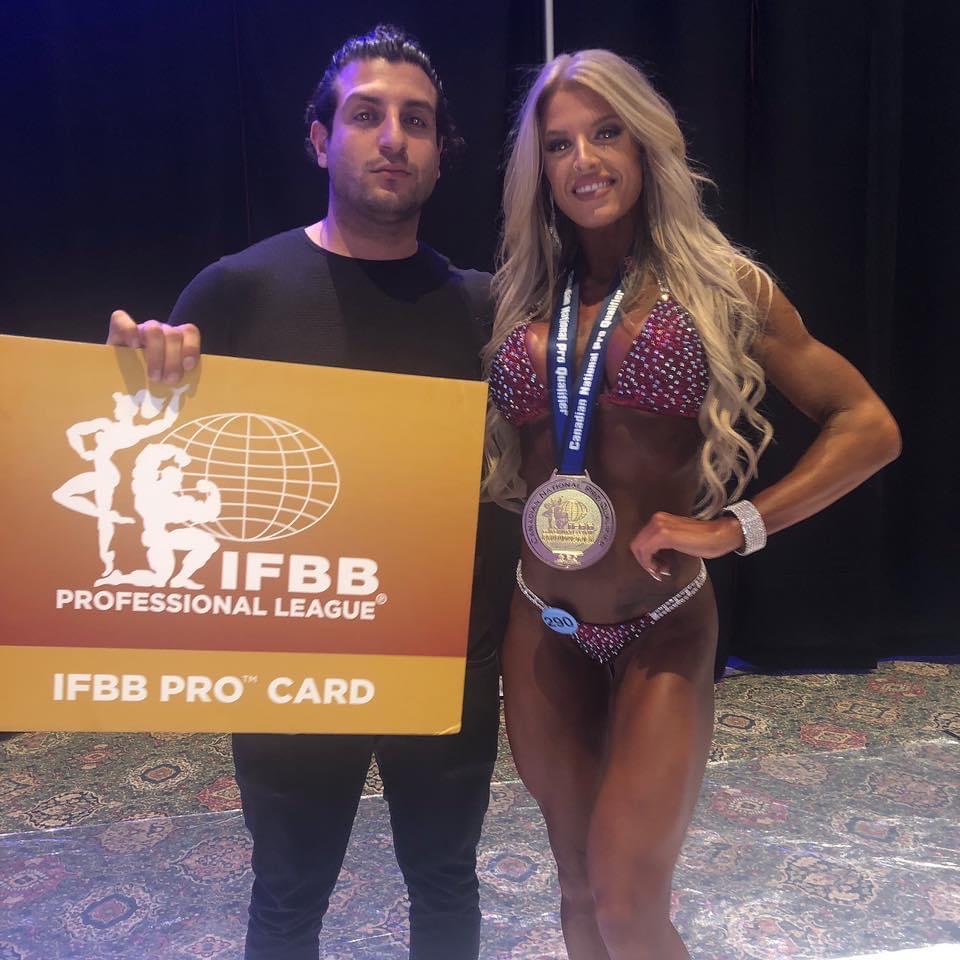
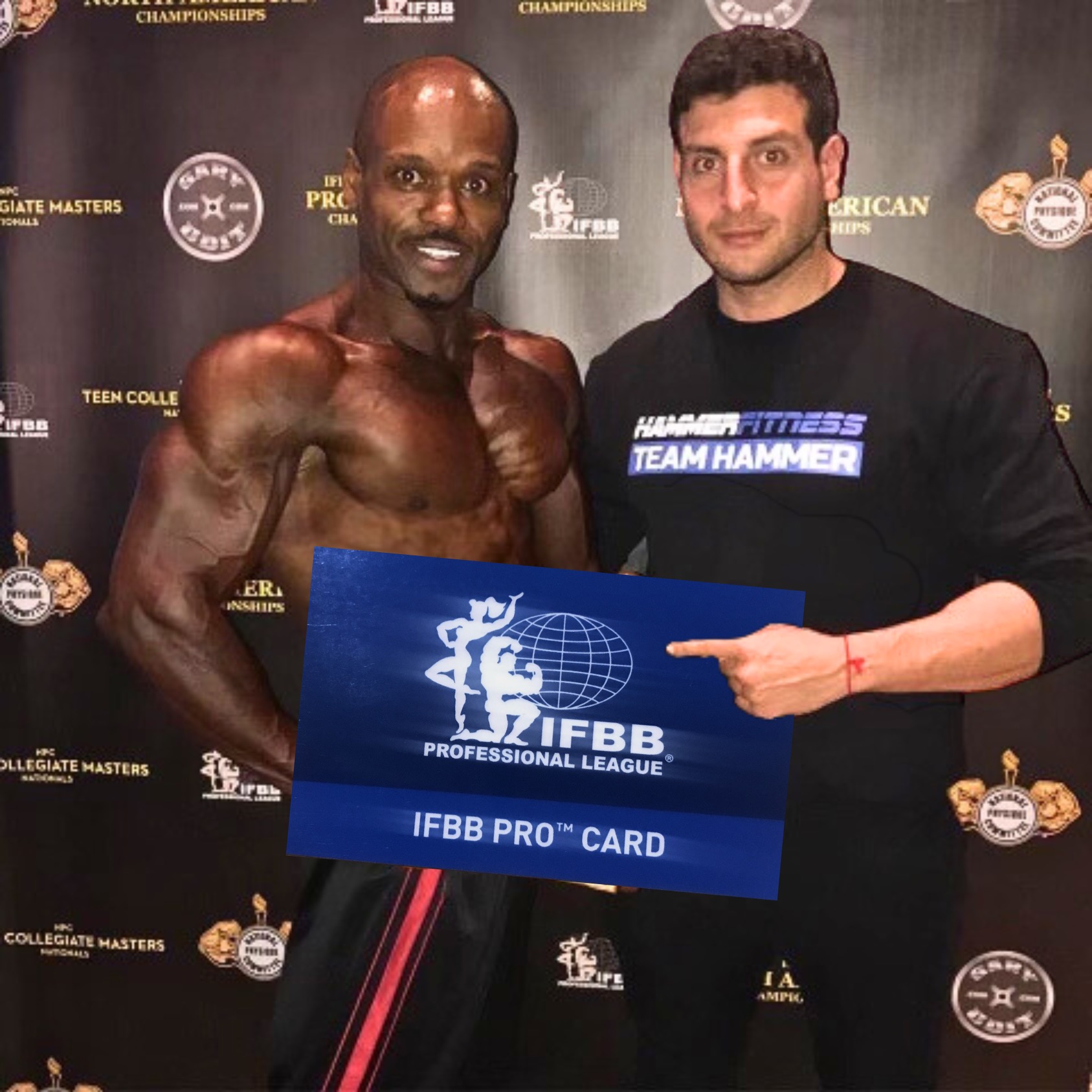
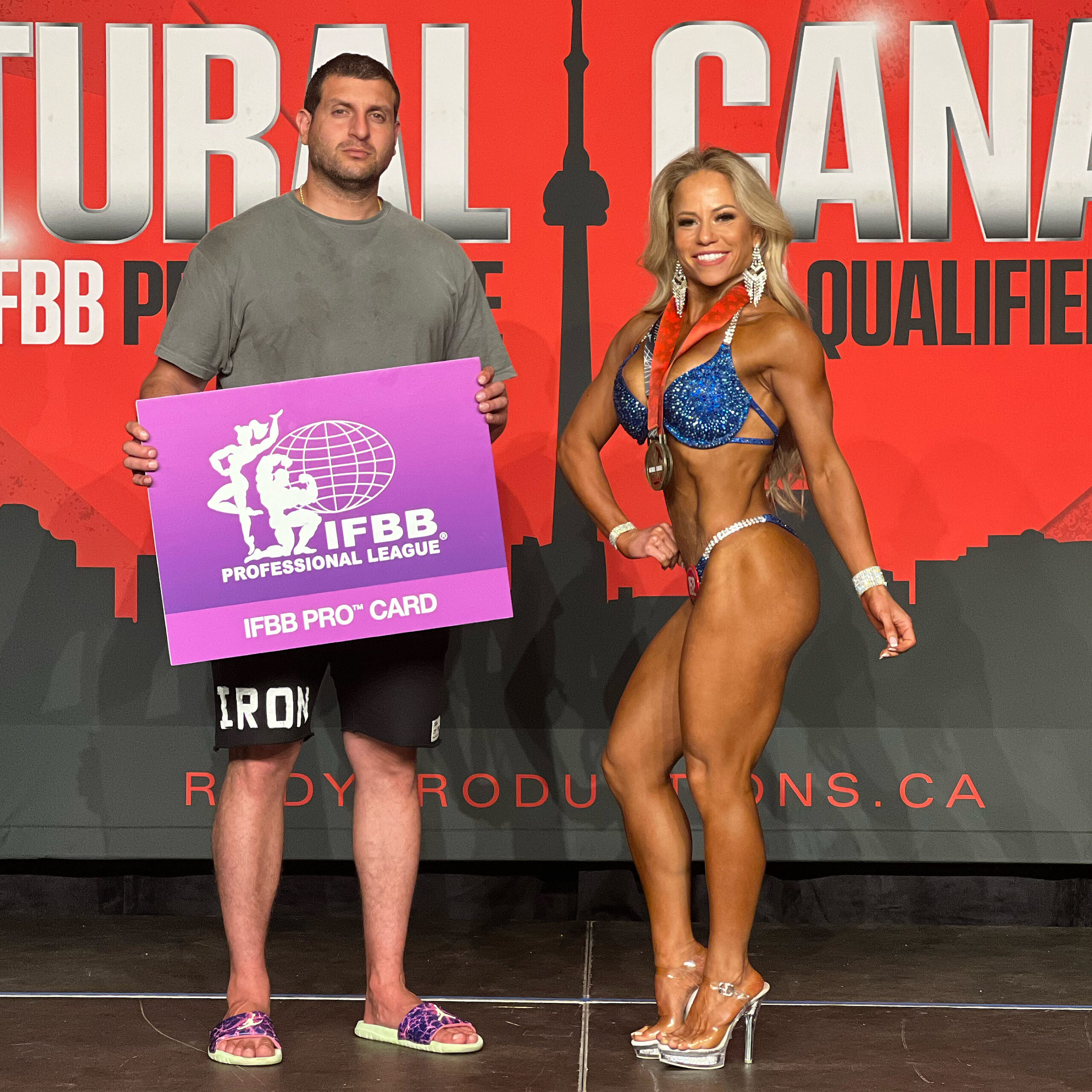
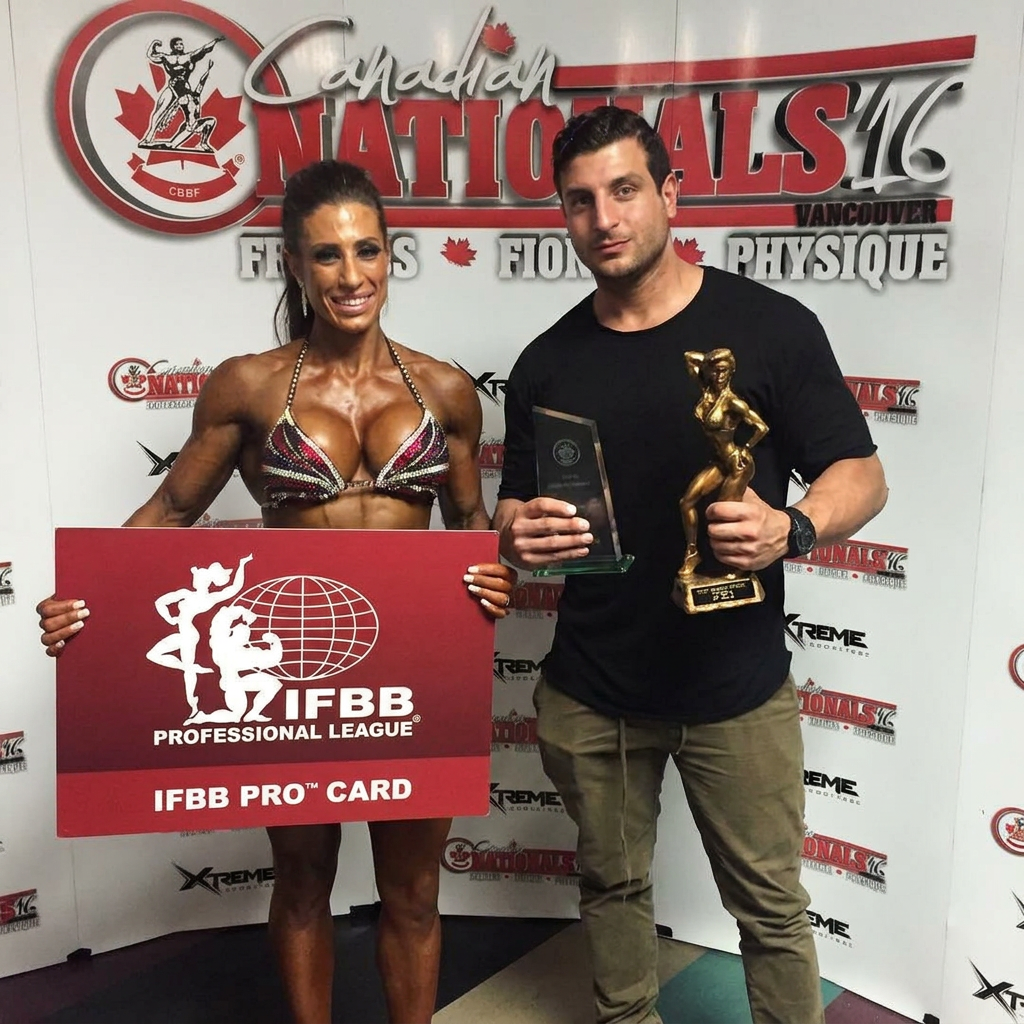
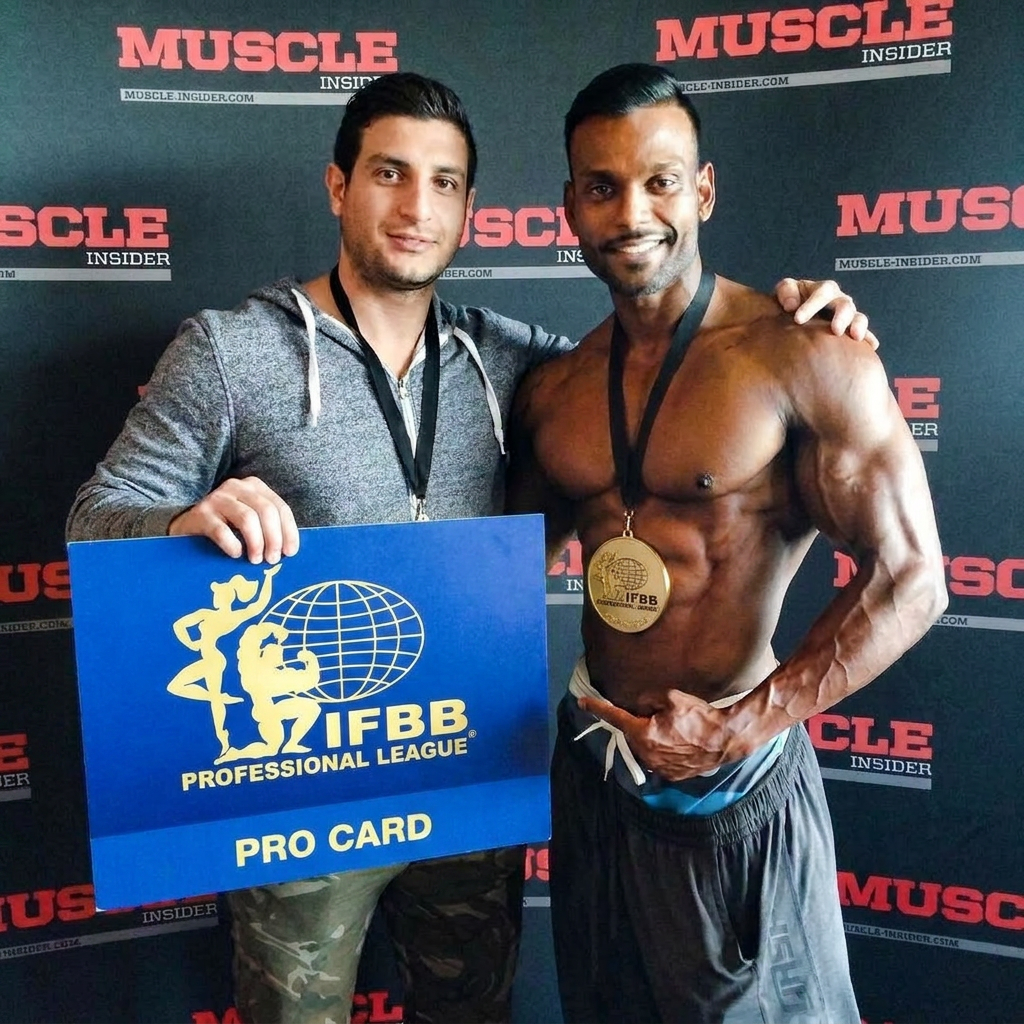
Athletes Amer Kamra has coached to IFBB pro cards and overall titles.

How Hammer Fitness got here

Pushed into the gym by his older brother
No plan, no ambition attached to it. The start of everything that followed, and the reason he is unsentimental about motivation — he did not begin with any.
Master's in engineering
Architectural engineering — load paths, tolerances, and what a structure will bear before it fails. Not an obvious route into coaching, and a useful one.
Completes the RTS Mastery program under Tom Purvis
Resistance Training Specialist: joint mechanics, lines of resistance, and what a muscle is actually doing under load. The reason exercise selection here starts from a person's structure rather than from a list of movements.
Turns pro with the WBFF — youngest male pro fitness model in the world
Years of competing, and the experience of being on the receiving end of a demanding prep, which is what makes him careful about prescribing one. The pro card led to a modelling career and fitness magazine covers internationally.

Starts Hammer Fitness — and turns his first athlete IFBB pro
The switch from athlete to coach, and the first pro card he produced as a coach in the same year he started the business. Contest prep first, then general population, then both at once.
Opens the Hammer Fitness gym, Unit 7 — 21 Progress Ave
Private and appointment-only, not a membership gym — no drop-ins, no classes, never busy. The model required owning the room.
Creates LadyTheFUp
A women's training brand alongside the gym, built for women who wanted the same standard of coaching in a room designed around them.
Creates Hammer Fitness Online
Programming, nutrition and check-ins delivered remotely, run to the same standard as the in-person roster — which put the coaching in front of clients well outside the GTA.
Creates the MED Method
A decade of coaching both ends of the spectrum, written down as a system: the smallest dose of training that produces the change. Every coach at Hammer Fitness is now trained on it.
A coaching team, and a method taught rather than kept
Ten-plus coaches trained in the MED Method, an online coaching arm, and an apparel brand. Meet the coaches here.
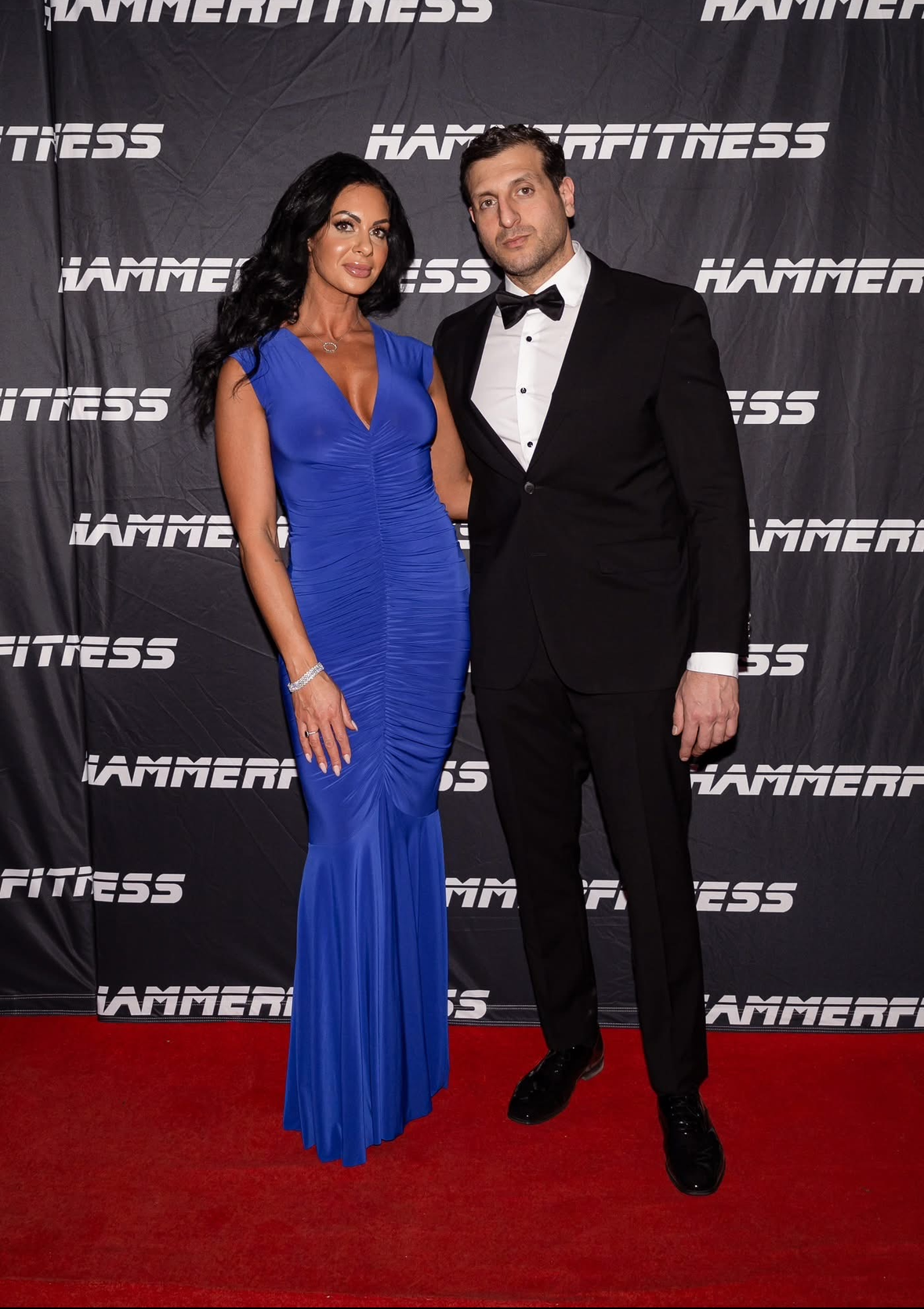
Creates the Hammer Fitness Awards Gala
An annual awards night he founded, where the coaching team and the clients who had the year of their lives get recognised in front of the community. Coach of the Year and the Amer Award are handed out there.
The MED Method — what he actually built
The system behind every programme written at Hammer Fitness.
Most training volume is set by what a person can tolerate rather than by what produces adaptation, and the gap between those two numbers is where injuries, burnout and quitting live. The dose–response research on training volume is clear that more work keeps paying off only up to a point. That is the observation the MED Method is built on.
Minimum effective dose: the smallest amount of training that produces the change, executed properly, progressed in a log. Not the most work a body will survive. The four rules — execution before volume, progress measured on paper rather than in a feeling, add the smallest thing that works, and dose the life rather than just the lift — are what the coaching team is trained on.
The unusual decision was teaching it rather than keeping it. Every coach at Hammer Fitness learns the system directly; Vlad Krymov helped develop it and now teaches it as an Elite Coaching System (ECS) Educator. A method that only its creator can apply is a personality, not a method.
Read the full explanation of minimum effective dose training →
Who Amer coaches
In person at Hammer Fitness in Scarborough, and online across Canada and beyond.
Contest prep athletes
Bikini, figure, physique, classic and masters divisions. Peak week, division selection, posing and the honest conversation about whether a show is realistic on the timeline someone has. Athletes he has coached hold IFBB pro cards and overall titles.
People who want to change how they look
Fat loss, muscle building and recomposition for people with no interest in ever standing on a stage. The same method, dosed differently, aimed at a mirror rather than a scorecard.
Clients where recovery is the constraint
Training over 40 is a different problem — recovery, joints and hormones change what a programme should look like, and minimum effective dose matters more, not less. Everyone starts from the same baseline: the Public Health Agency of Canada recommends muscle-strengthening work at least twice a week.
The coaches who work for him
Every trainer at Hammer Fitness is taught the method directly. Several have gone on to teach it themselves. Coach education is a large share of what he now does.
Clients outside the GTA
Programming, nutrition and check-ins delivered remotely for people who cannot get to Scarborough, run to the same standard as the in-person roster.
People who have tried everything
Years of diets, challenges and rebounds. The work usually starts by eating more and training less often — which is not what most people arrive expecting to hear.
Amer on the cover
The modelling work that followed the 2011 pro card, beginning with his first cover in 2012.
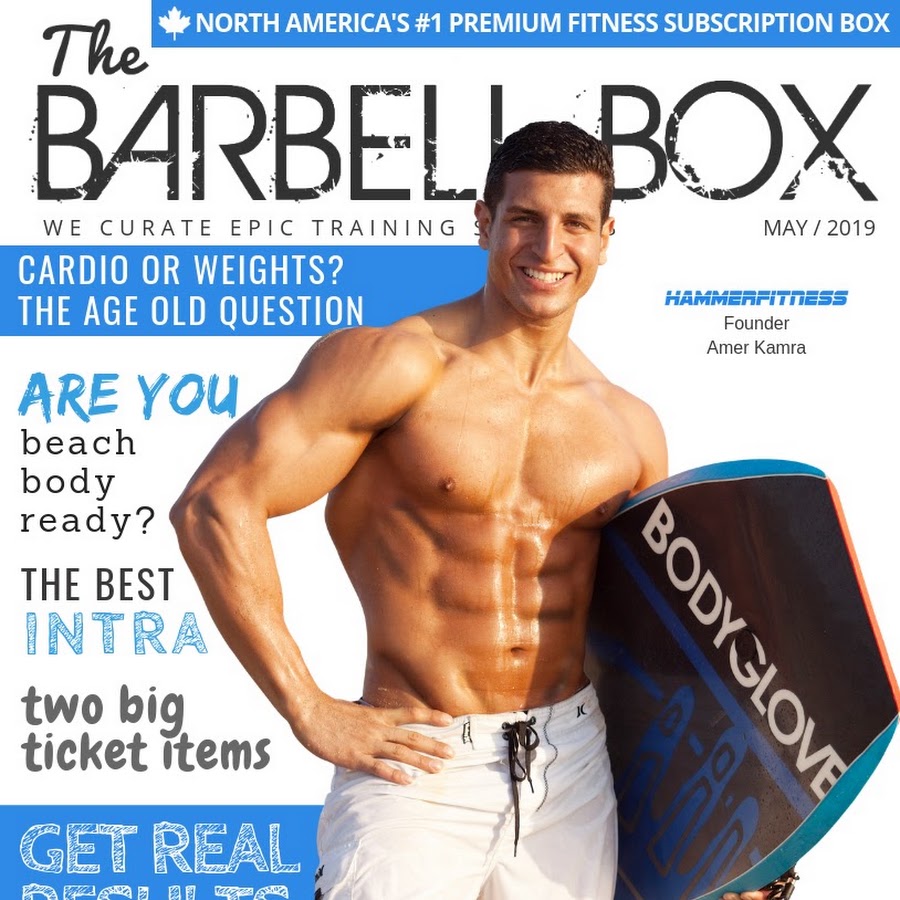
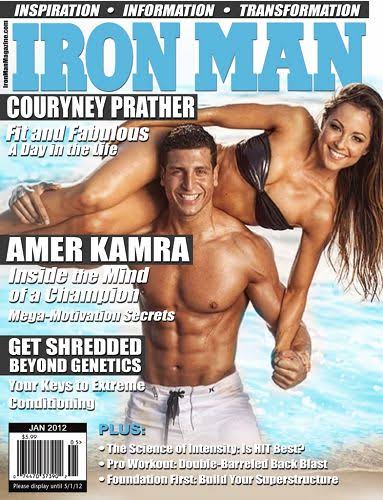
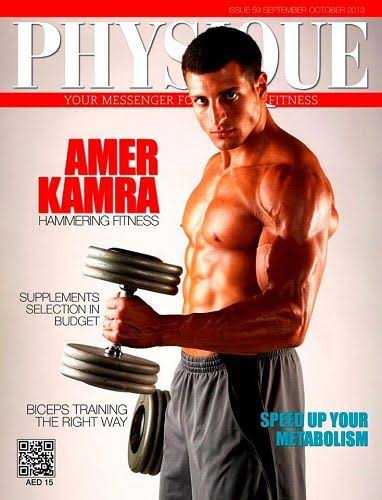
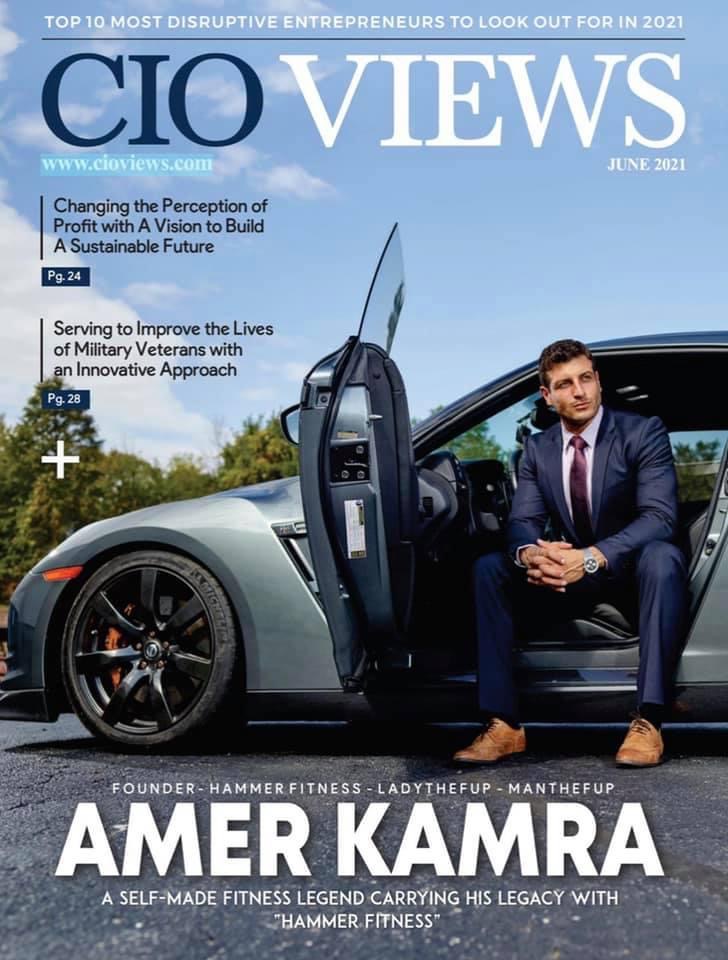
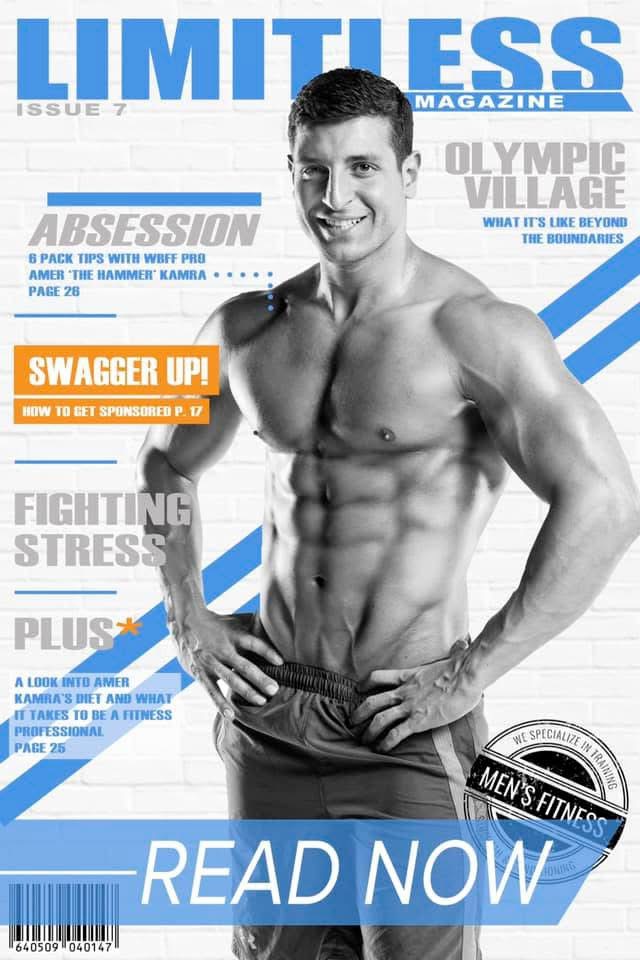
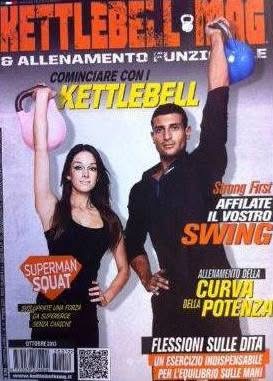
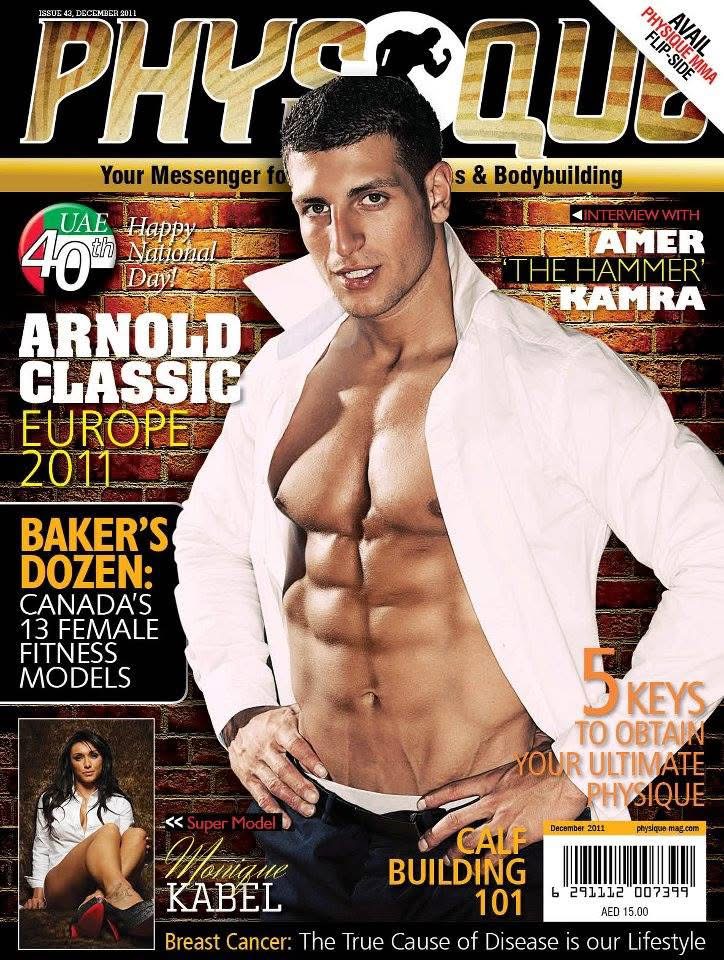
The 2011 pro card led to a modelling career and fitness magazine covers internationally — the first of them in 2012, the year he started Hammer Fitness. A selection above.
The gym he built to make it work
The method needed a room that would not fight it, which is why Hammer Fitness is not a membership gym. There are no drop-ins, no group classes and no contracts signed at the door. Clients book coaching sessions, and the floor is reserved for people who have one — which is why it is never busy and why nobody waits for a rack.
Unit 7, 21 Progress Avenue, Scarborough, Toronto M1P 4S8. Open 5am to 11pm, seven days a week, by appointment. Clients travel in from across the GTA and from further out. Training is one-on-one, with semi-private for two to four people with one coach where that suits better.
See client transformations, what clients say, or how personal training works here.
Scope of practice
Amer Kamra coaches training, nutrition and habits. He is not a physician, a dietitian or a therapist, and he does not diagnose, treat or prescribe. He does not prescribe, recommend or supply medication of any kind. Where something falls outside coaching — a medical condition, an injury needing assessment, disordered eating — the correct answer is a referral, and he gives it.
Common questions
Who is Amer Kamra?
The founder and owner of Hammer Fitness, a private personal training gym at 21 Progress Ave in Scarborough, Toronto, along with Hammer Fitness Online, LadyTheFUp and the Elite Coaching System. WBFF pro since 2011, and the creator of the MED Method used across the gym.
Is Amer Kamra an IFBB pro?
No. He is a WBFF pro, having turned pro with the WBFF in 2011. He has coached athletes who earned IFBB pro cards, but he does not hold one himself.
Worth the context: the IFBB divisions he would have competed in — Men's Physique and Classic Physique — did not exist yet when he was on stage. The WBFF is where an athlete of his build competed at the time. The comparison people try to make is between two eras as much as two federations.
What is the MED Method?
The minimum effective dose training system he developed — the smallest amount of training that produces the adaptation, executed properly and progressed in a log.
Does he still coach clients himself?
Yes, in person in Scarborough and online, though the roster is limited. Most new clients are matched with a coach from the team — all of whom he trained in the same method.
What has Amer Kamra achieved as an athlete?
He turned pro with the WBFF in 2011 as the youngest male pro fitness model in the world, and went on to appear on fitness magazine covers internationally. As a coach, his athletes have earned among the most IFBB pro cards of any coach in Canada.
Does he only work with competitors?
No. Contest prep is part of it, but most of the gym's clients have no interest in a stage. The method was built to serve both, and the general-population work is what shaped it.
How do I train with him or his team?
Book a free consultation. The first conversation covers training history, what has already been tried and where it broke down, and then the right coach gets matched to it. Call 416 298-7997.
The Mind Builder Podcast
Hosted by Amer "the hammer" Kamra. Running since 2019, nearly 70 episodes and counting.
Coaching is mostly conversation. The Mind Builder Podcast is where the part that does not fit inside a training session gets the time it needs — identity, discipline, adversity, ego, business, and the difference between wanting a result and being willing to become the person who holds one.
It is not a fitness podcast, and that is deliberate. Episodes run from solo essays to long interviews with people who have rebuilt something: athletes, entrepreneurs, and clients who went through the hard version. Recent episodes have covered healing after the trophies stop mattering, the urge to look for the exit when things get difficult, and the honest story of nearly walking away from Hammer Fitness.
The show has been running continuously since 2019.
Also on Libsyn and Amazon Music. The training method behind most of what gets discussed on it is the MED Method.
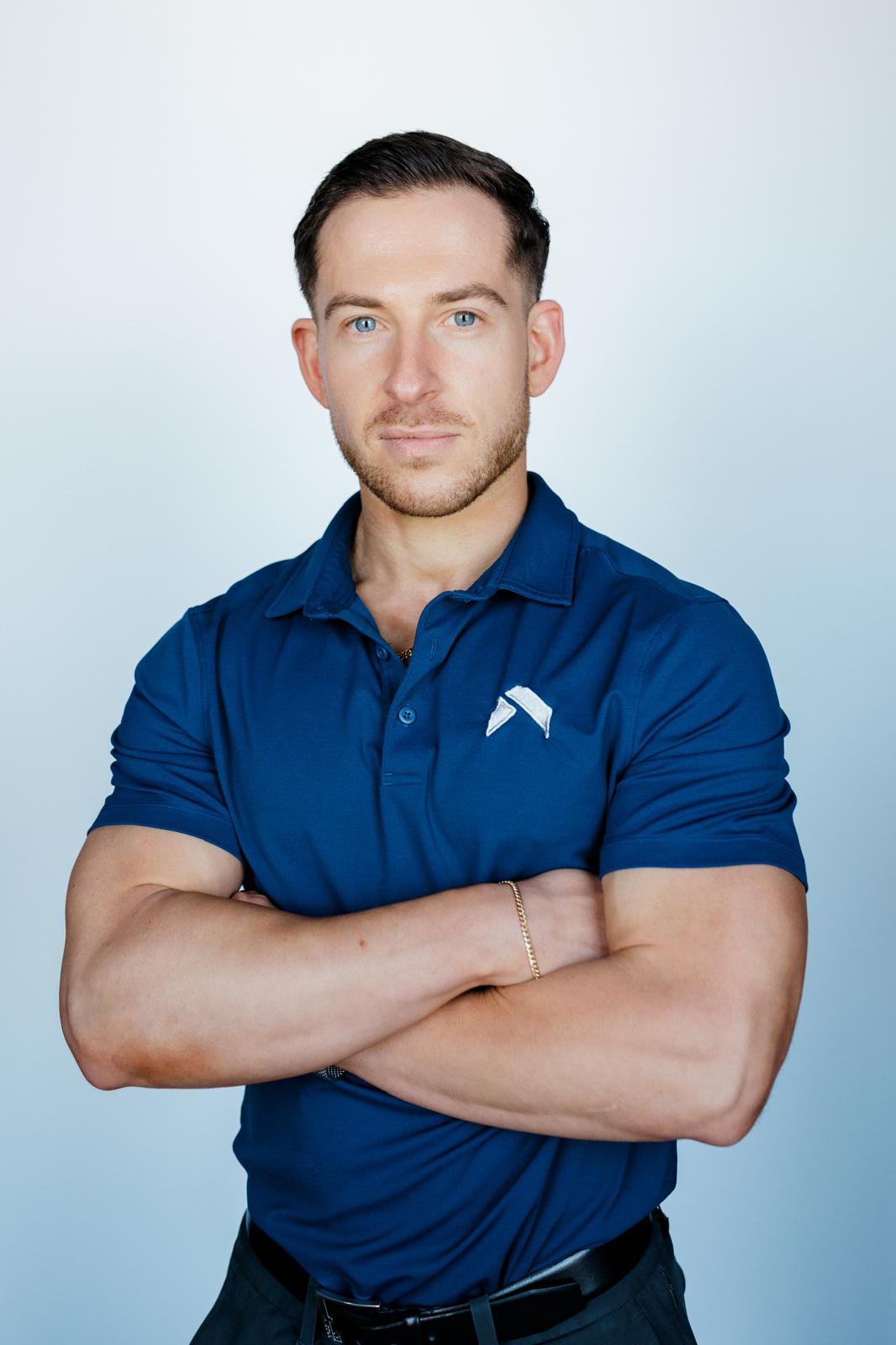
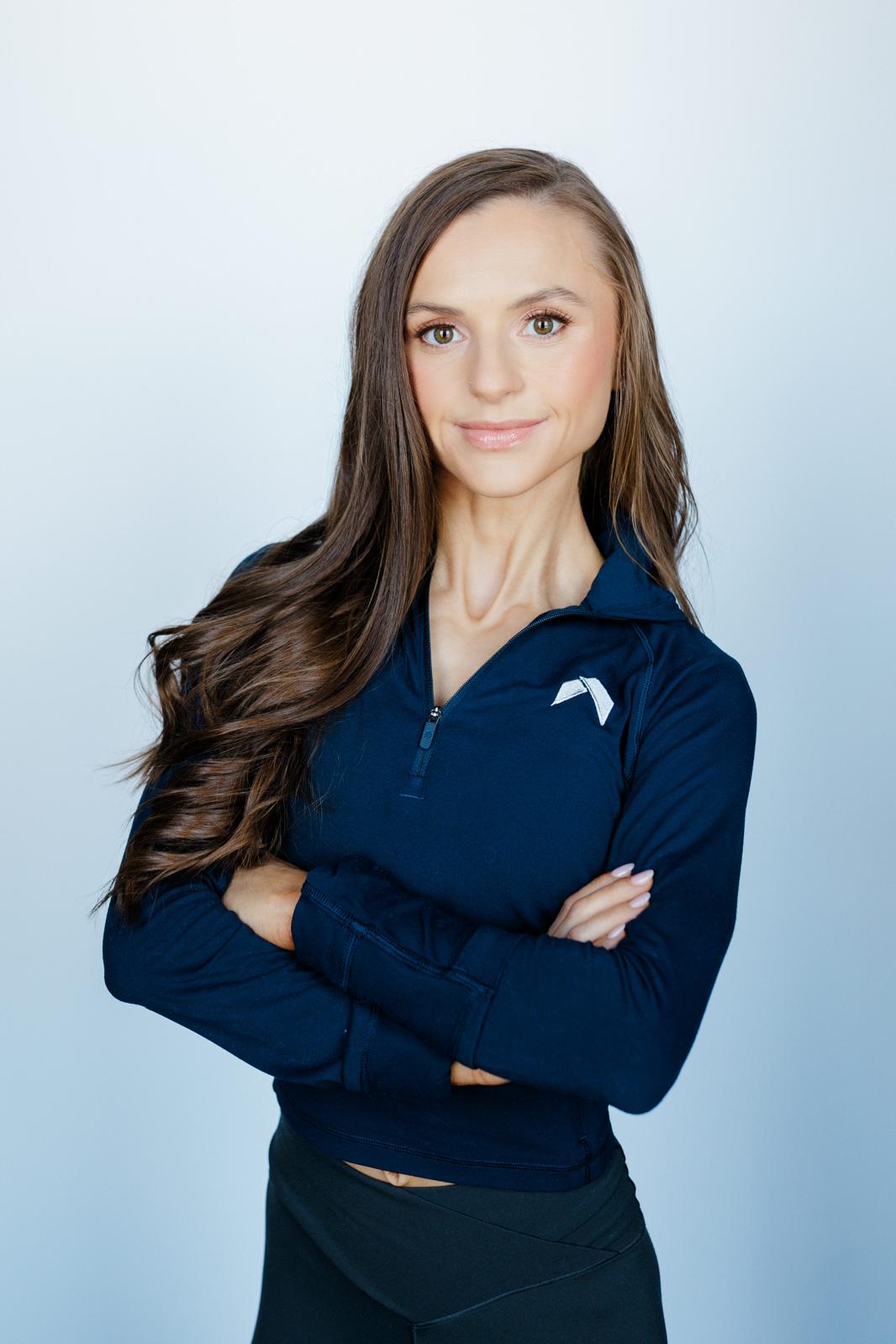
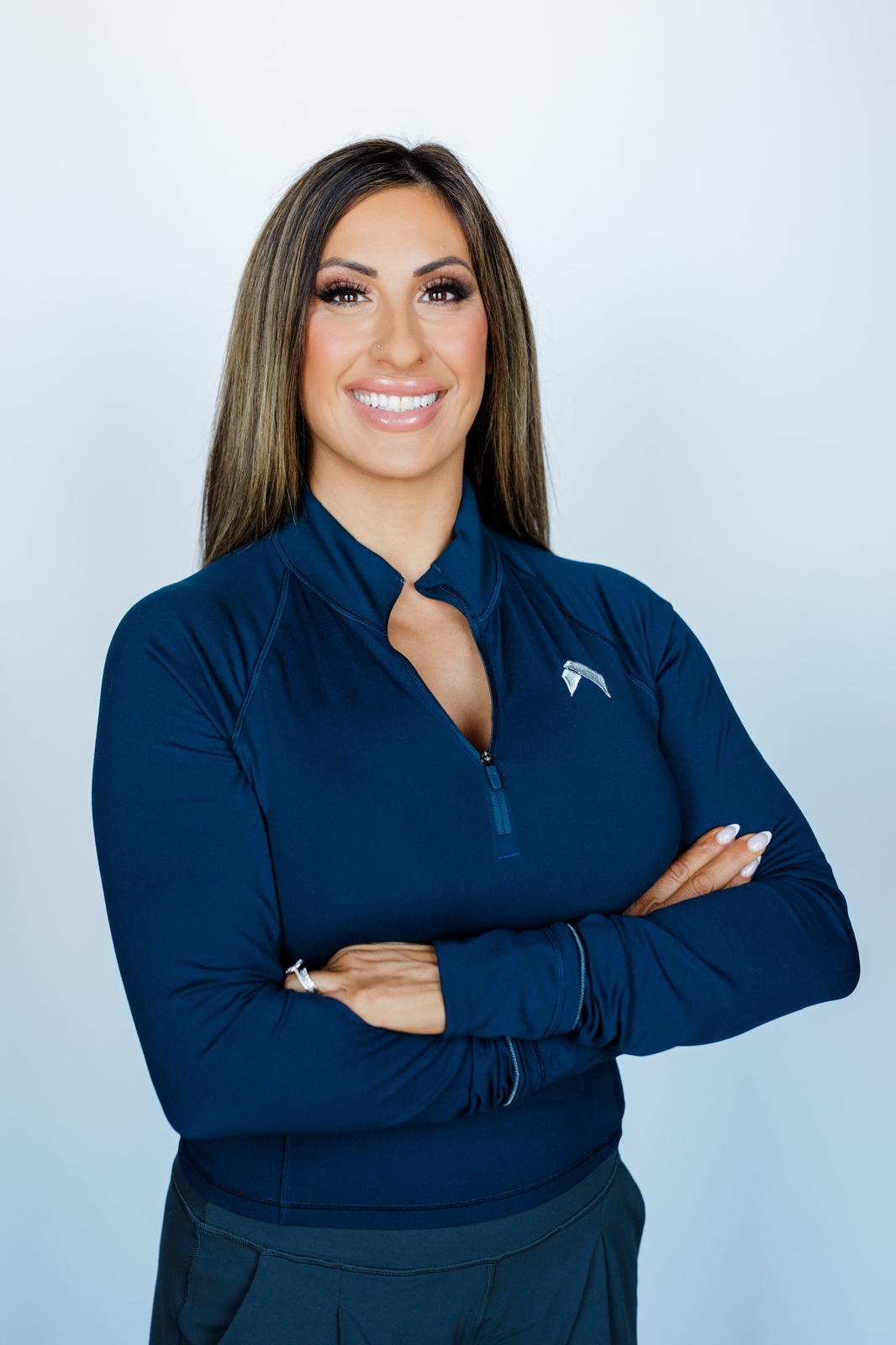
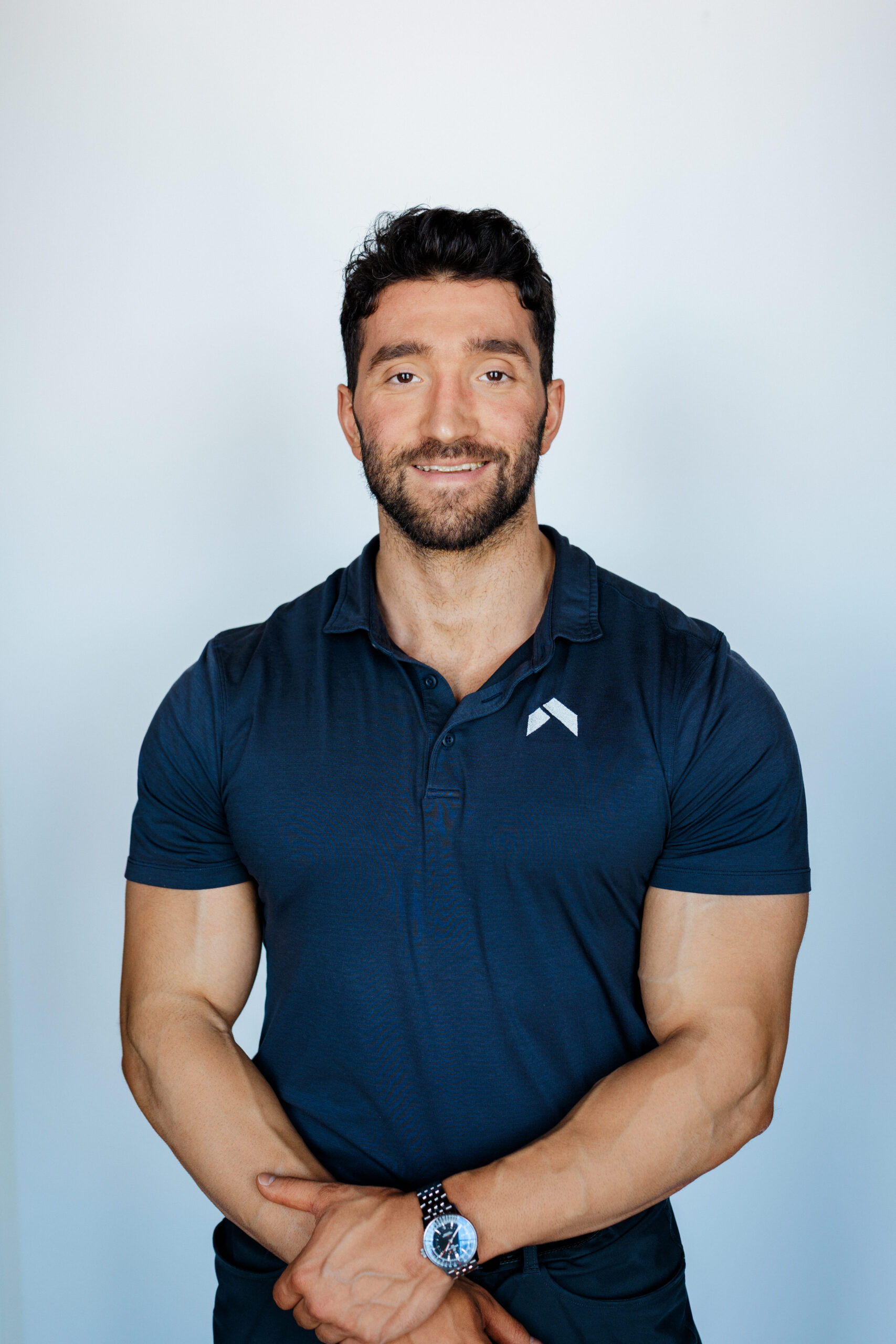
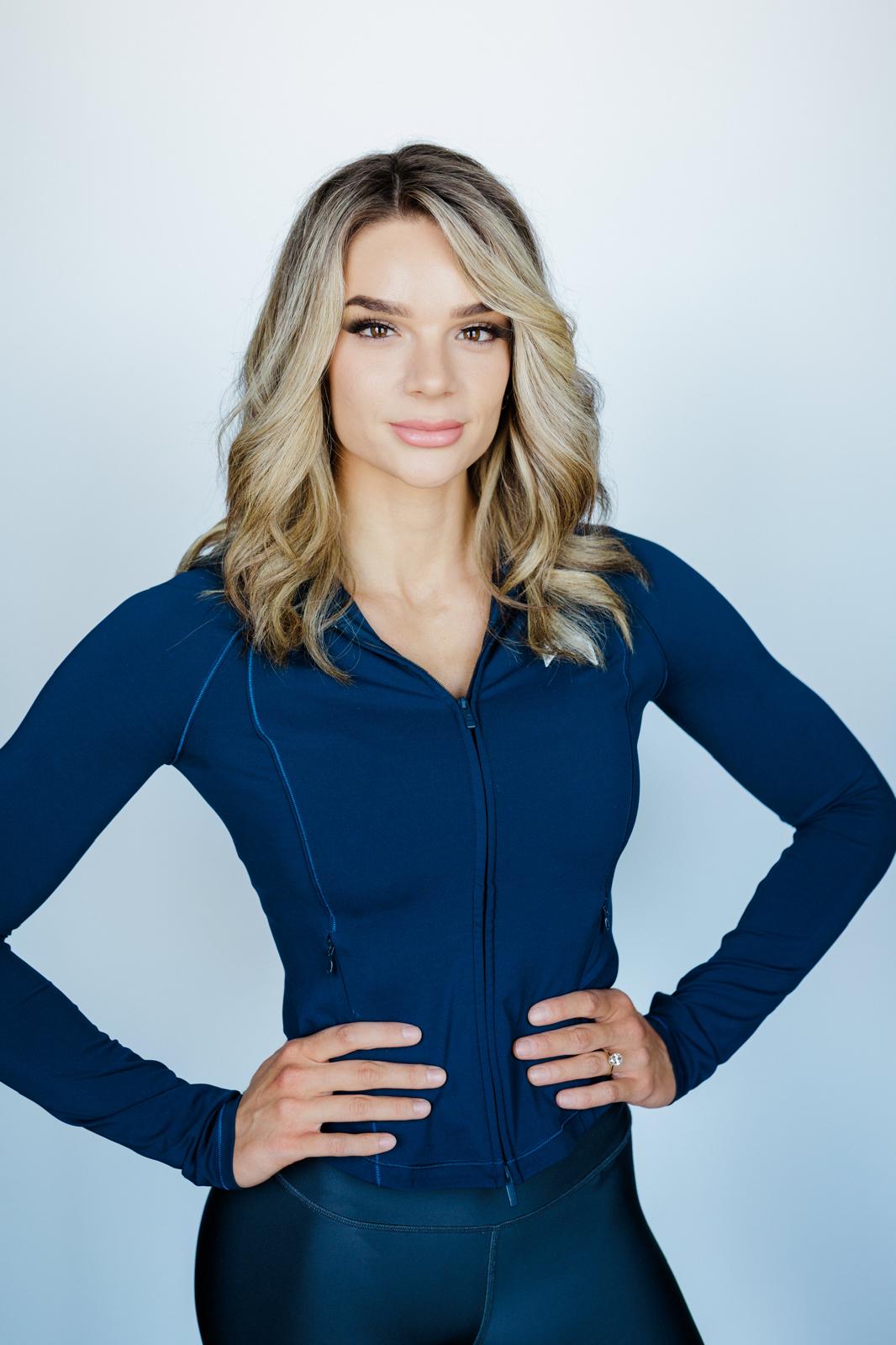
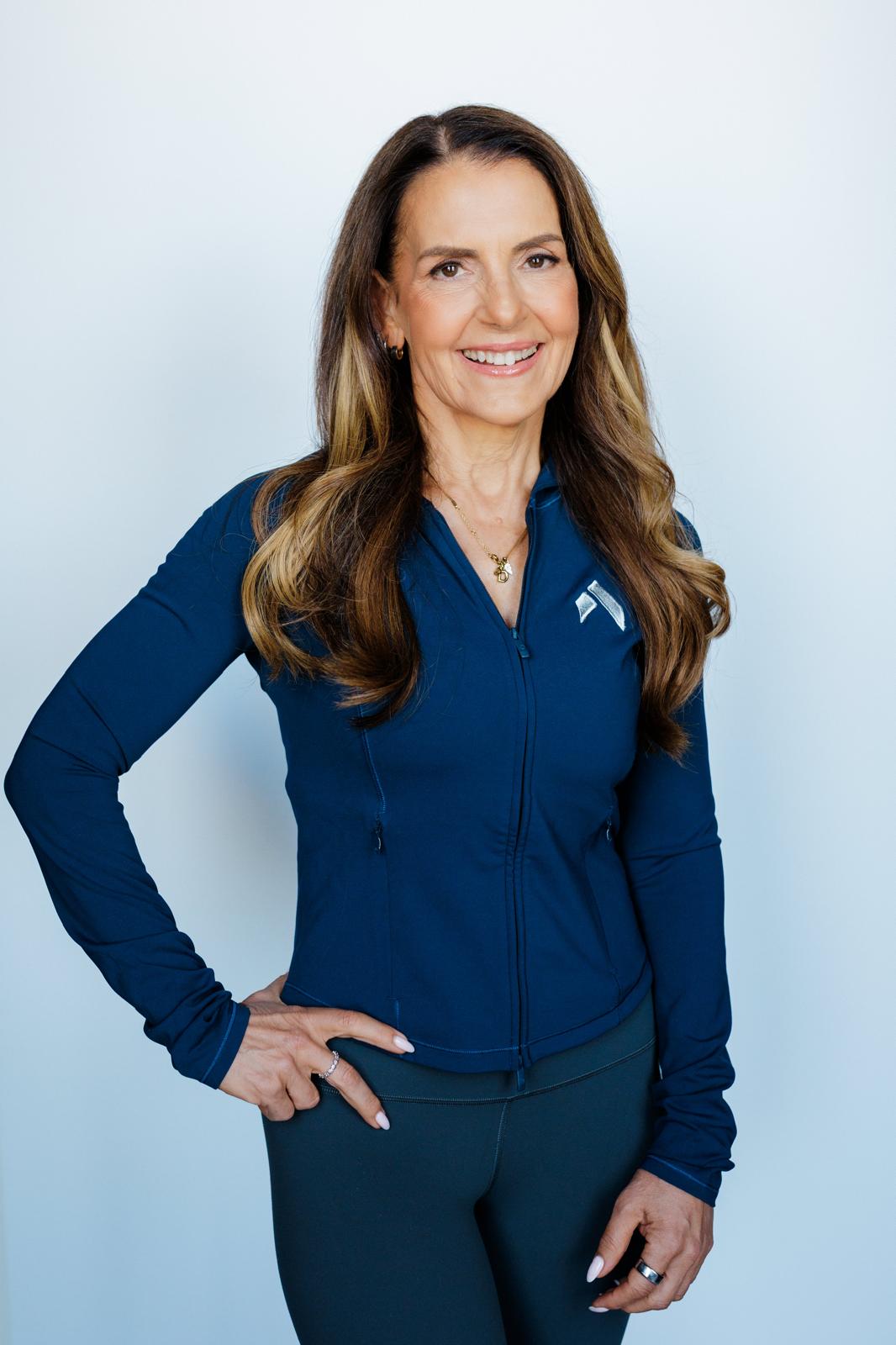
Meet our colleagues at Hammer Fitness Scarborough
The coaches Amer trained, all working from the same method.

Train with Amer and his team.
Book a free consultation at Hammer Fitness in Scarborough. A coach will go through your training history, match you to the right coach, and tell you honestly what is realistic on the time you have.