
Vlad Krymov — do not start with an assumption. Investigate first.
Eight years coaching body composition, in person and online, with a mechanical engineering education behind how he thinks. Understand the person, the mechanics and the constraints — then decide. The plan should fit the individual, not the other way around.
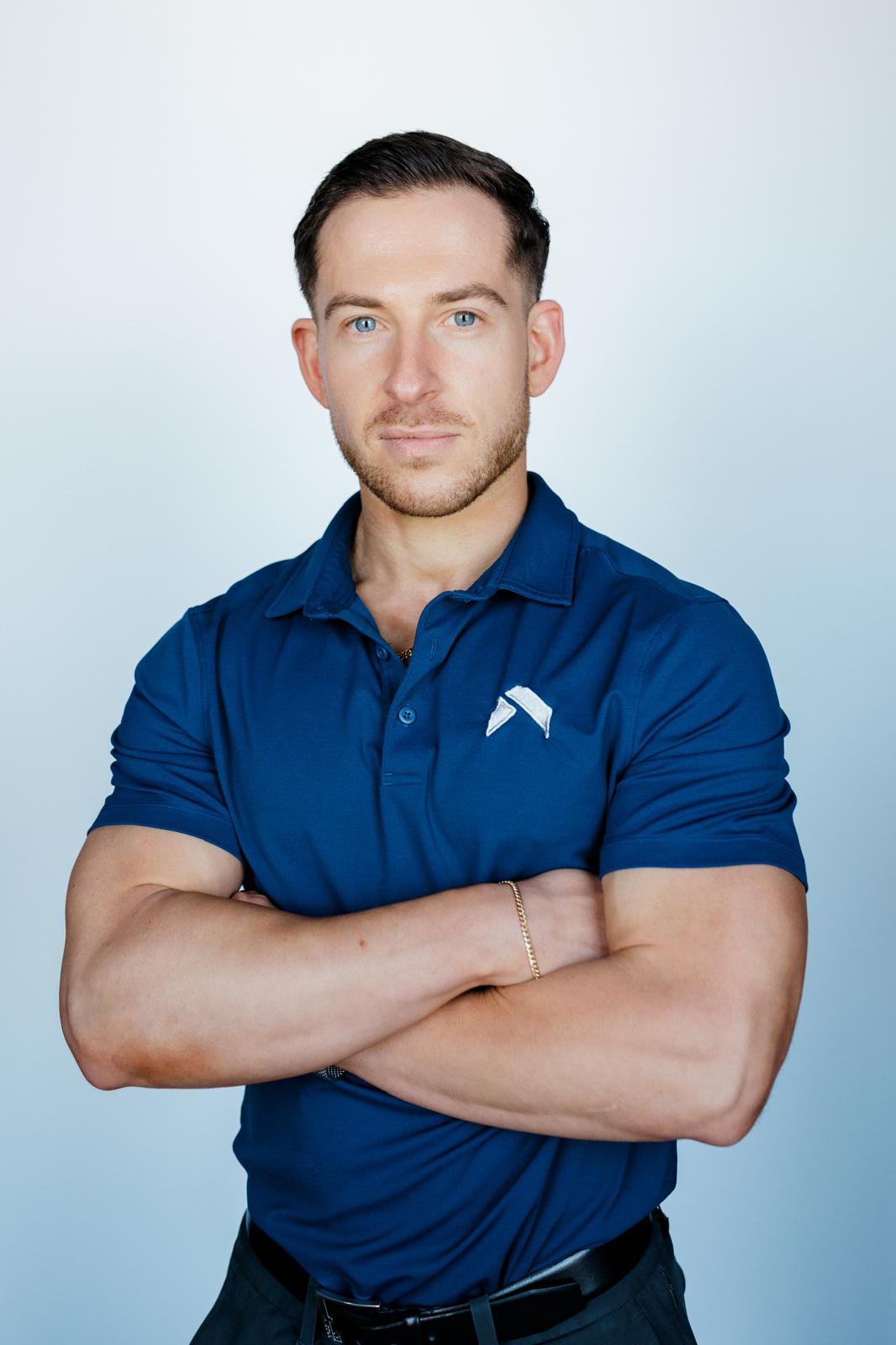
Vlad Krymov — body composition coach and manager at Hammer Fitness
ECS Educator · ECS Level 1 & Level 2 · Mechanical engineering education · RTS course education · canfitpro · ISSA · MED Method
Vlad has been coaching for approximately eight years, working with clients both in person and online. His primary focus is body composition: helping people lose fat, build muscle, improve their resistance training, and build a plan that works in the context of their actual life.
He has completed a range of personal training certifications along the way, including canfitpro and ISSA. Those gave him a foundation — but he found that many traditional certification systems lean heavily on protocols, generalised rules and predetermined solutions.
What he felt was missing was the ability to investigate a problem properly, understand the individual in front of you, and make intentional decisions based on what is actually happening rather than on what a template says should happen.
That became the major influence on how he developed as a coach, and it is the thread running through everything below. He coaches at Hammer Fitness in Scarborough.
What a mechanical engineering education does to a coach
It changes the order of operations.
Engineering teaches you to investigate before making conclusions. You look at the variables, understand the forces involved, identify what is actually happening, and make decisions based on evidence rather than assumption.
That way of thinking transferred directly into resistance training. Vlad does not want to assume an exercise, a programme or a protocol is automatically right for someone because it is considered standard. He wants to understand the person, the goal, the resistance being used, the mechanics of the movement, the constraints involved, and how that specific individual actually responds.
Which leads to a definition of individualisation most gyms do not use. It is not swapping a few exercises on a template. It is the process of making intentional decisions from the information available.
The plan should fit the individual. The individual should not have to fit the plan.
RTS — Resistance Training Specialist education
Studied, applied, and described precisely.
A major part of Vlad's resistance training education came from studying the RTS — Resistance Training Specialist — course and applying its principles in his coaching.
RTS strengthened the way he looks at resistance training through physics and mechanics: forces, resistance profiles, leverage, joint motion, stability, structure, and the relationship between an exercise and the individual performing it.
More importantly, it reinforced the idea that we should avoid making assumptions about the body. The process should be investigative. Observe, assess, understand the variables involved, then decide. An exercise is not automatically good or bad, and there is no universal setup that is perfect for everyone. The question is always what makes sense for the individual, the goal and the situation in front of you.
To be precise about the credential: Vlad studied the RTS course and uses the principles he learned from it. He does not present himself as having completed the RTS certification exam.
Learning through Amer Kamra and the team
He was a client before he was a colleague.
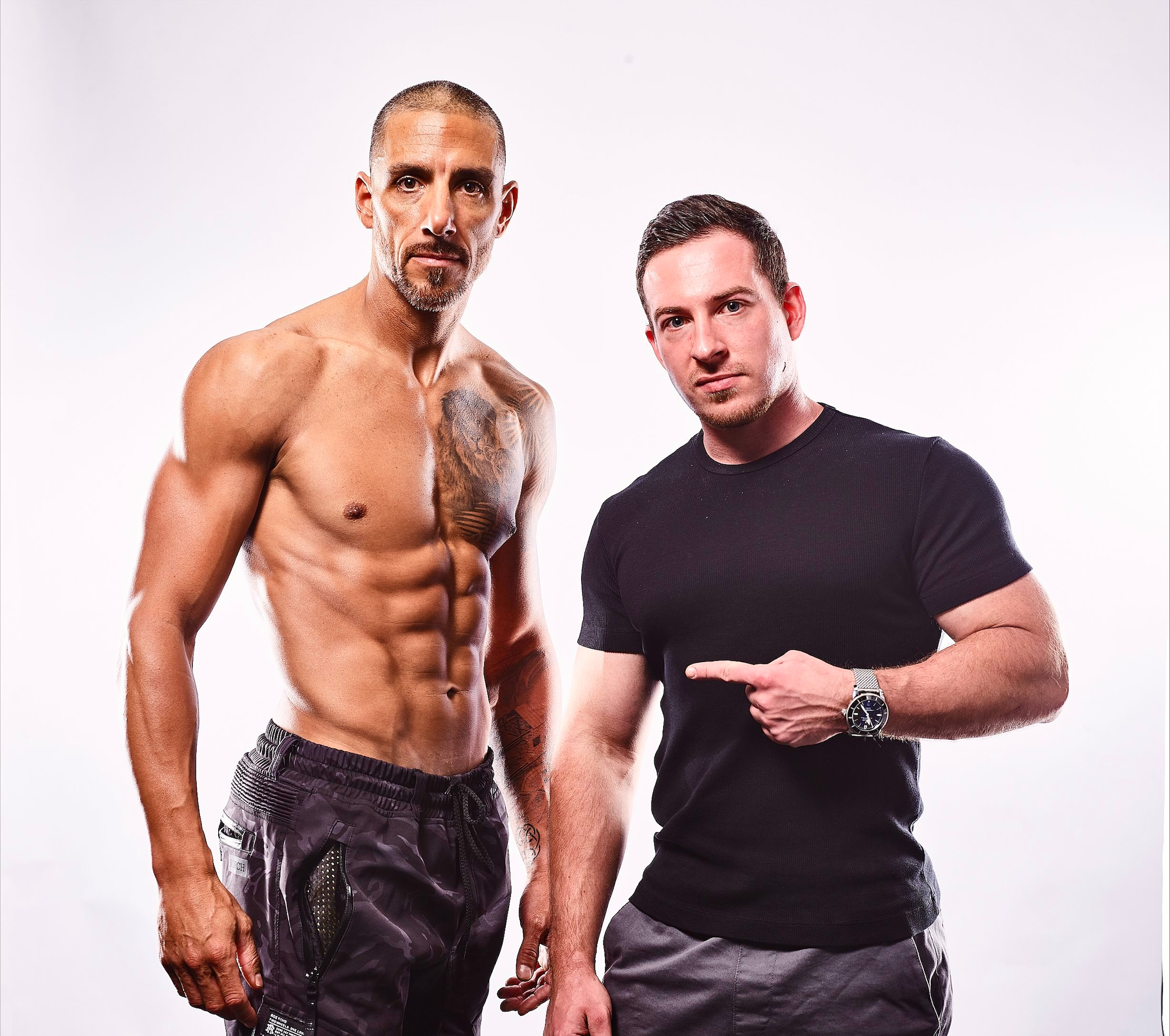
A large part of Vlad's development came through Amer Kamra and his time inside the Hammer Fitness system — and the relationship started with Vlad as the athlete, not the coach.
Amer coached him through physique competition preparation and photoshoots, which meant he experienced the whole coaching process from the client side before he ever became part of the team. Sitting on the receiving end of a prep is a different education from reading about one.
As he became more involved with Hammer Fitness, he kept developing through Amer, the coaching environment and the standards expected within the team. That shaped how he thinks about body composition, resistance training, nutrition, adherence and professional coaching.
It also reinforced something that is easy to miss: good coaching is not about knowing more exercises or having more information. It is about being able to make the right decision for the person in front of you.
ECS Educator — teaching the thinking
Elite Coaching System.
Vlad is now an ECS Educator with the Elite Coaching System, delivering the coursework other coaches qualify through.
The reason the role matters to him is that ECS focuses on exactly the part of coaching he found missing from traditional certifications: how to think, investigate, communicate and make professional coaching decisions.
The goal is not to hand coaches another rigid system to follow. It is to help them understand how to assess a situation, ask better questions, recognise the relevant variables, and make decisions with intention.
That is also the standard he holds his own coaching to. A coach who has to stand in front of a room and defend a principle tends to apply it more carefully on the floor than one who only had to pass an exam on it.
Individualisation, investigation, and efficiency
A programme does not need to be complicated to be effective.
Vlad does not believe more work automatically means better results. The goal is to identify what is actually required, then use the appropriate amount of training, nutrition structure, cardio, activity and recovery to move the client forward.
The principle underneath it is the Minimum Effective Dose: use the least amount of work required to create the desired result, then add or change something only when there is a reason to.
That does not mean doing the least possible. It means removing unnecessary work and making each decision earn its place in the plan.
This matters most for the clients he works with most often — busy professionals, many of them over forty, who want to improve their body composition without turning fitness into a second full-time job. For that population efficiency is not a preference, it is the constraint. Training has to produce a return. Nutrition has to work in the real world. The plan has to account for work, family, stress, travel, recovery and the client's actual capacity.
The Canadian 24-Hour Movement Guidelines set muscle-strengthening work at a minimum of twice weekly for adults. How far above that baseline a particular person needs to go is the question the dose answers. More on the thinking behind it in the Hammer Fitness philosophy.
The goal is not to build the most impressive-looking plan. The goal is to build the plan that works.
Body composition coaching
Fat loss, muscle building, resistance training, nutrition — and the decisions that connect them.
The ratio, not the total
Depending on the client, the work might be losing body fat while preserving muscle, building muscle without unnecessary weight gain, improving training performance, or creating a sustainable structure after years of inconsistent dieting.
What actually gets looked at
The goal, training history, schedule, recovery, nutrition, movement, exercise selection, progress data, and the practical limits of the client's life. The plan is adjusted from what is happening, not from what a protocol predicts.
Hundreds of clients
In person and online over the course of his career. Enough different bodies, schedules and starting points that the judgement behind a decision comes from pattern recognition rather than theory.
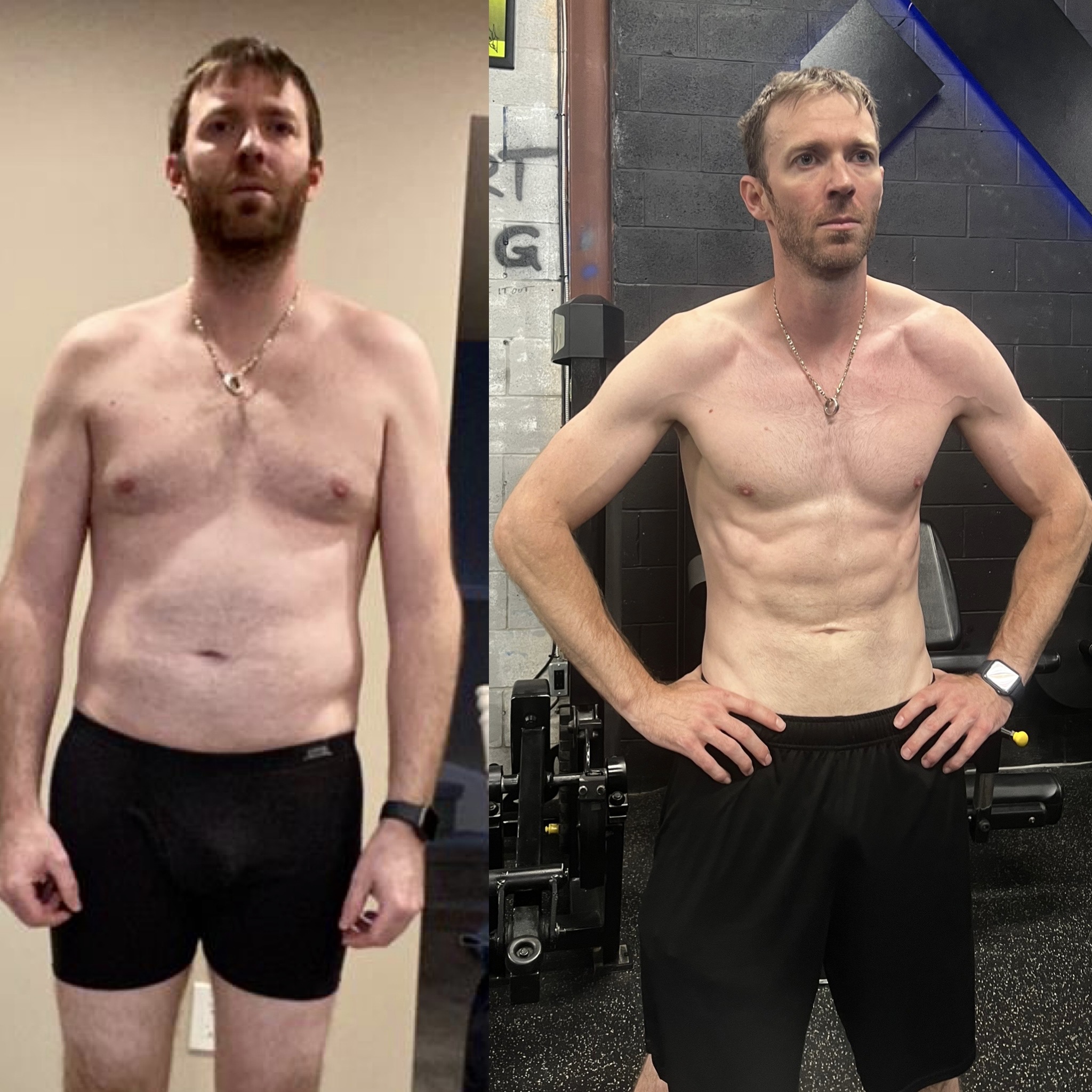
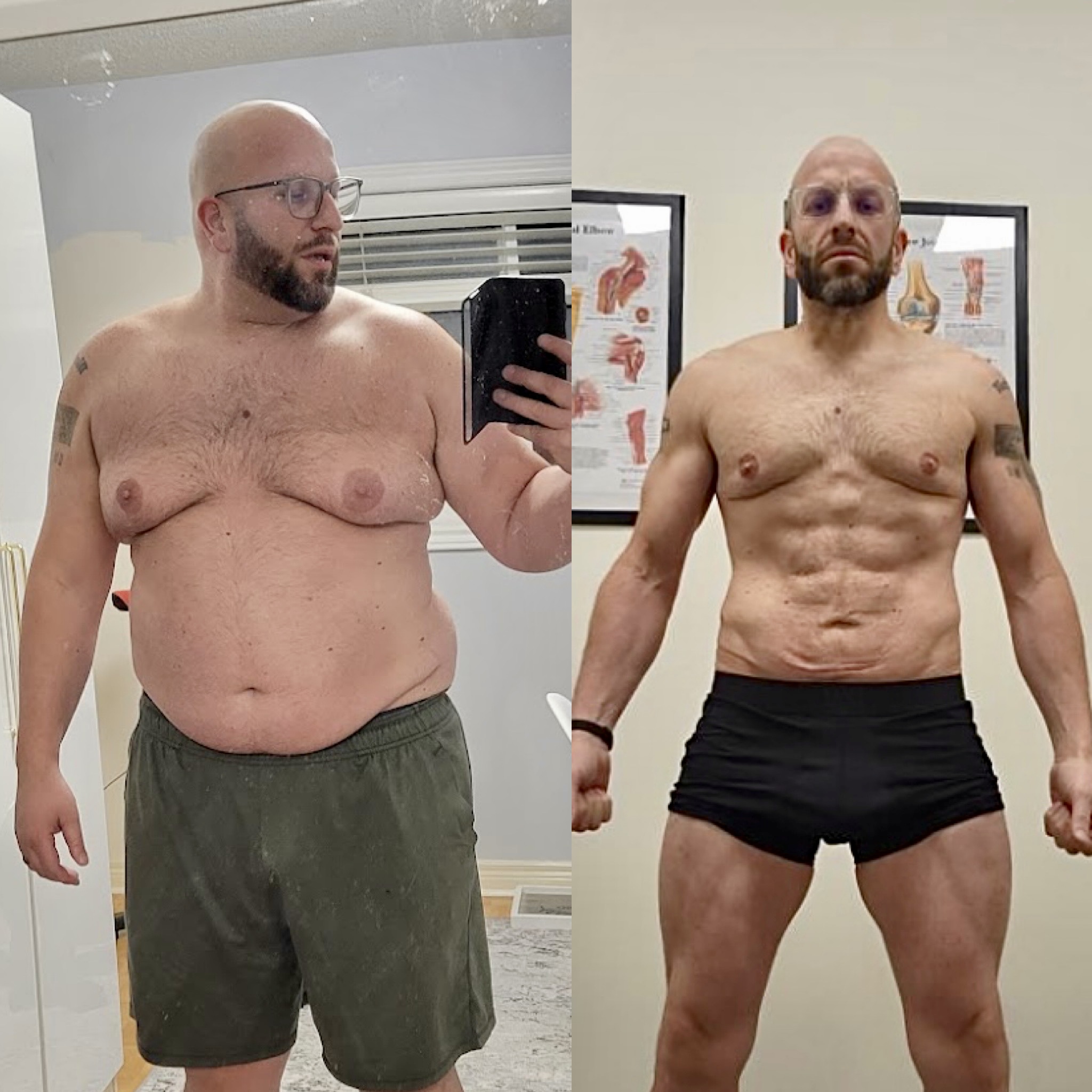
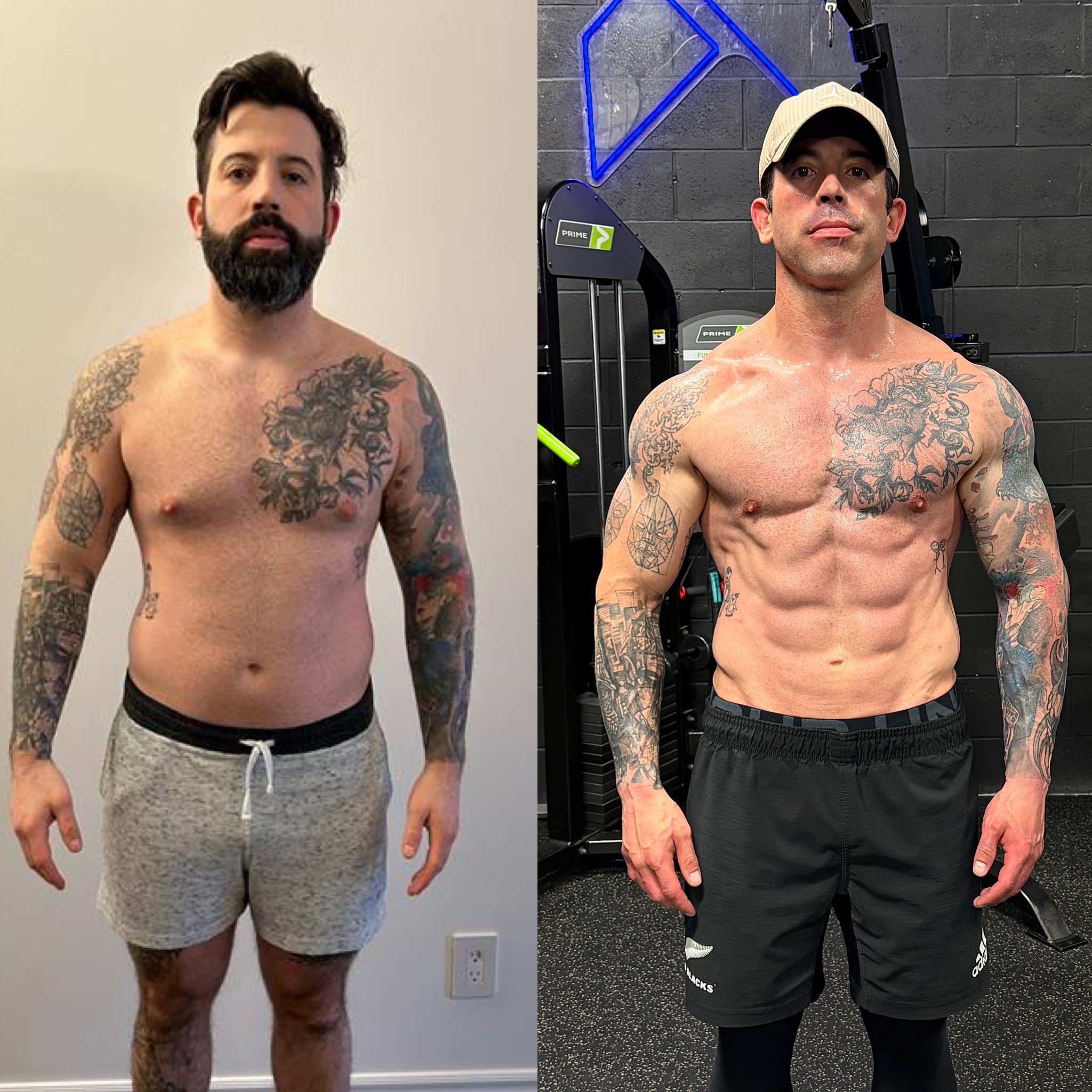
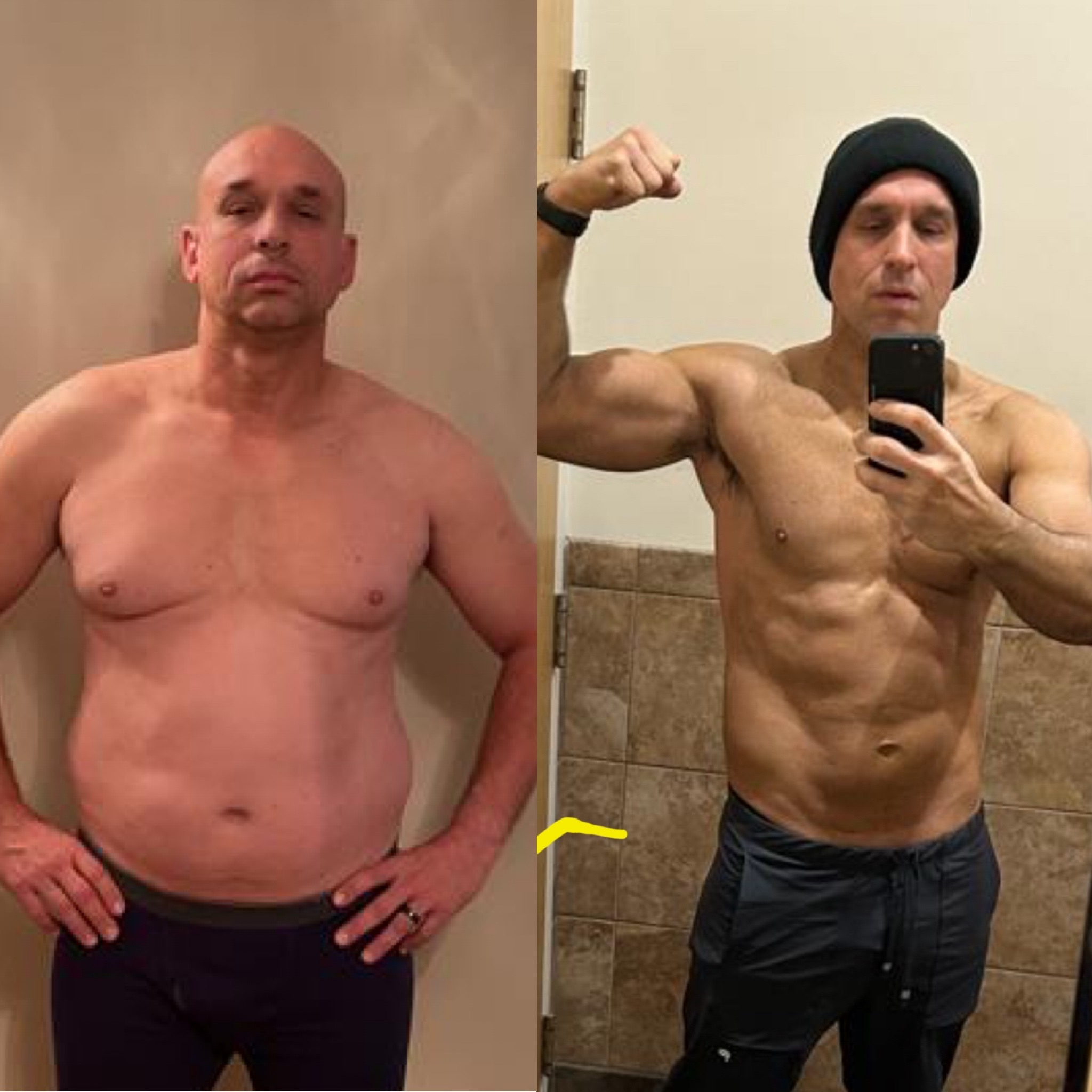
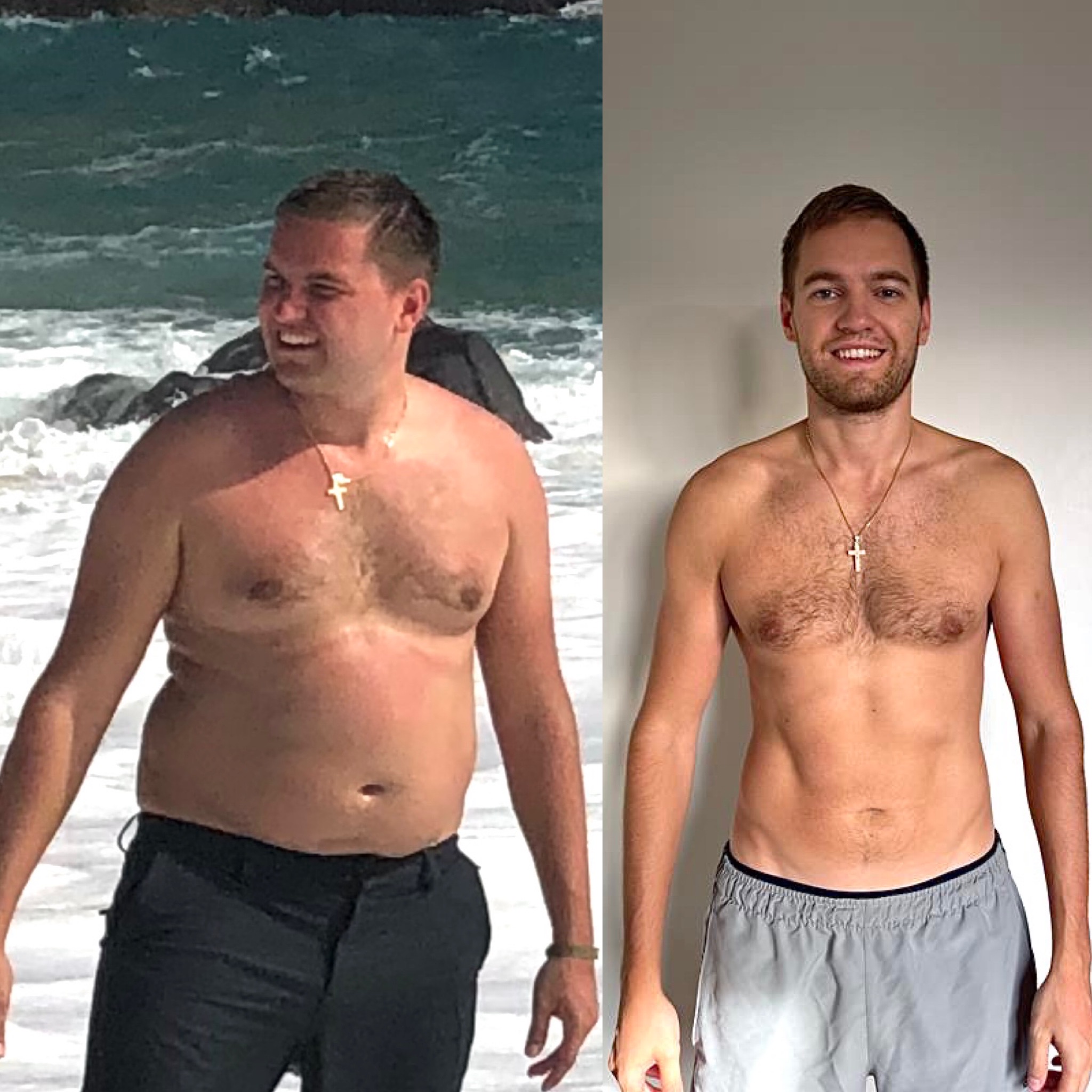
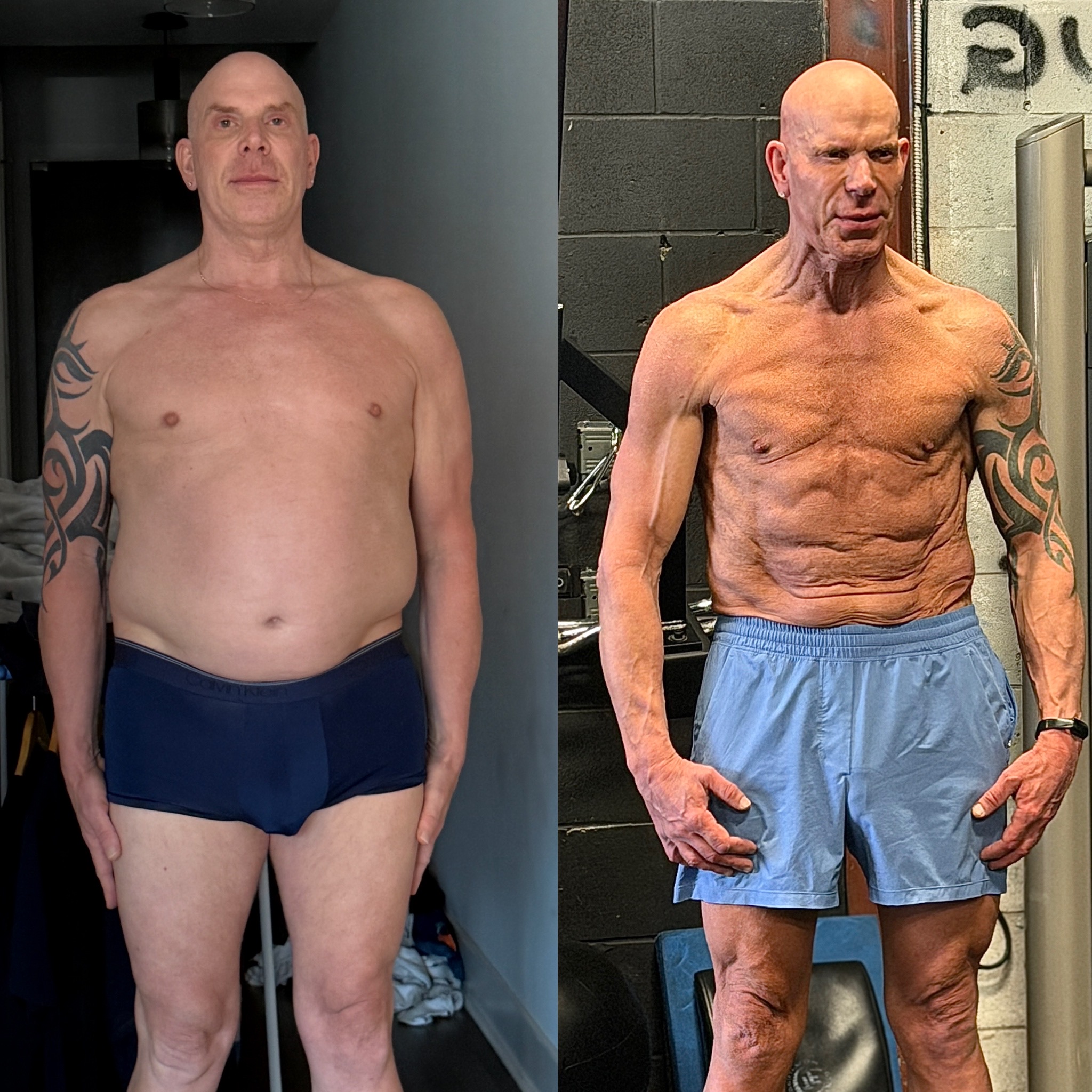
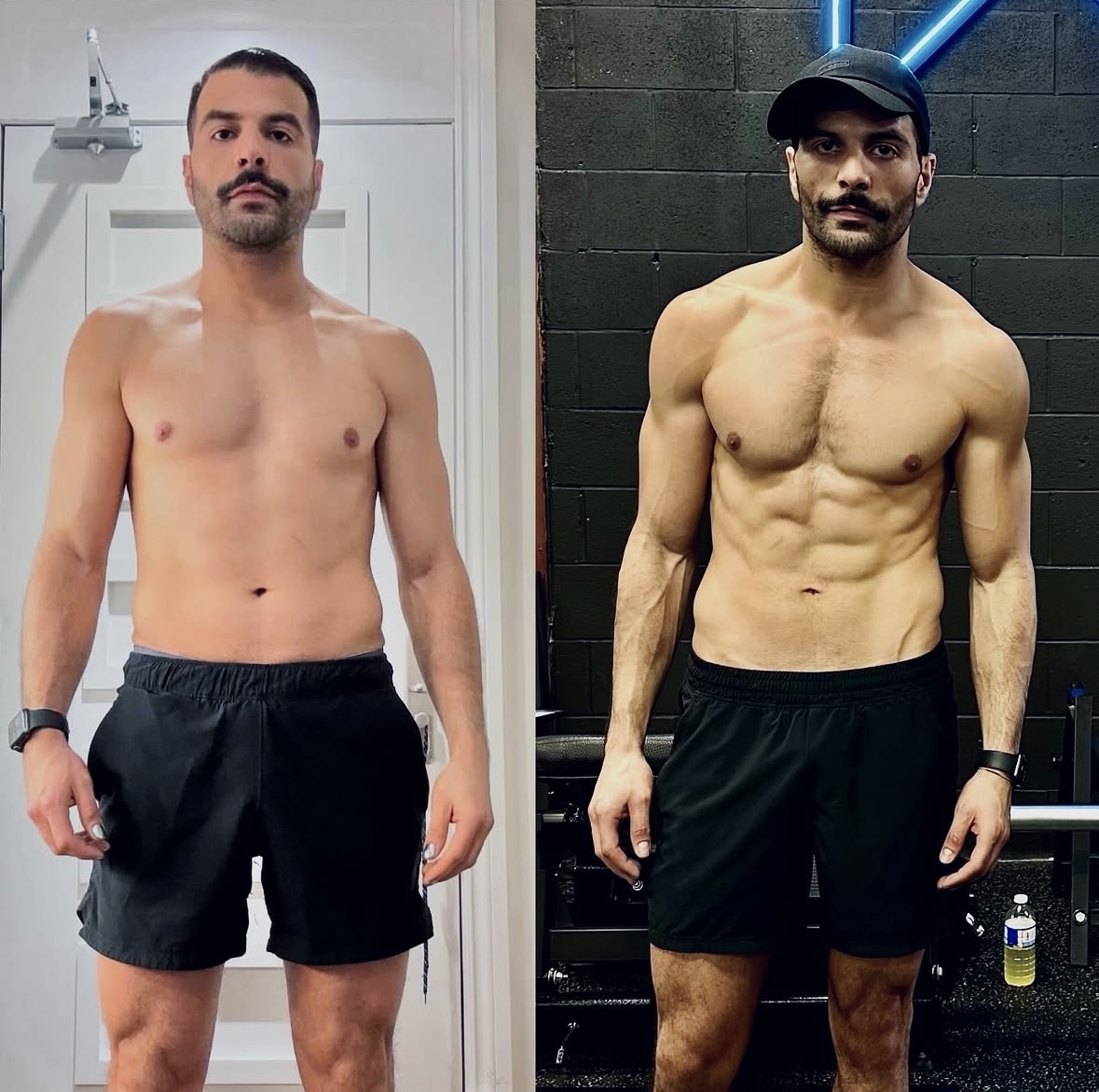
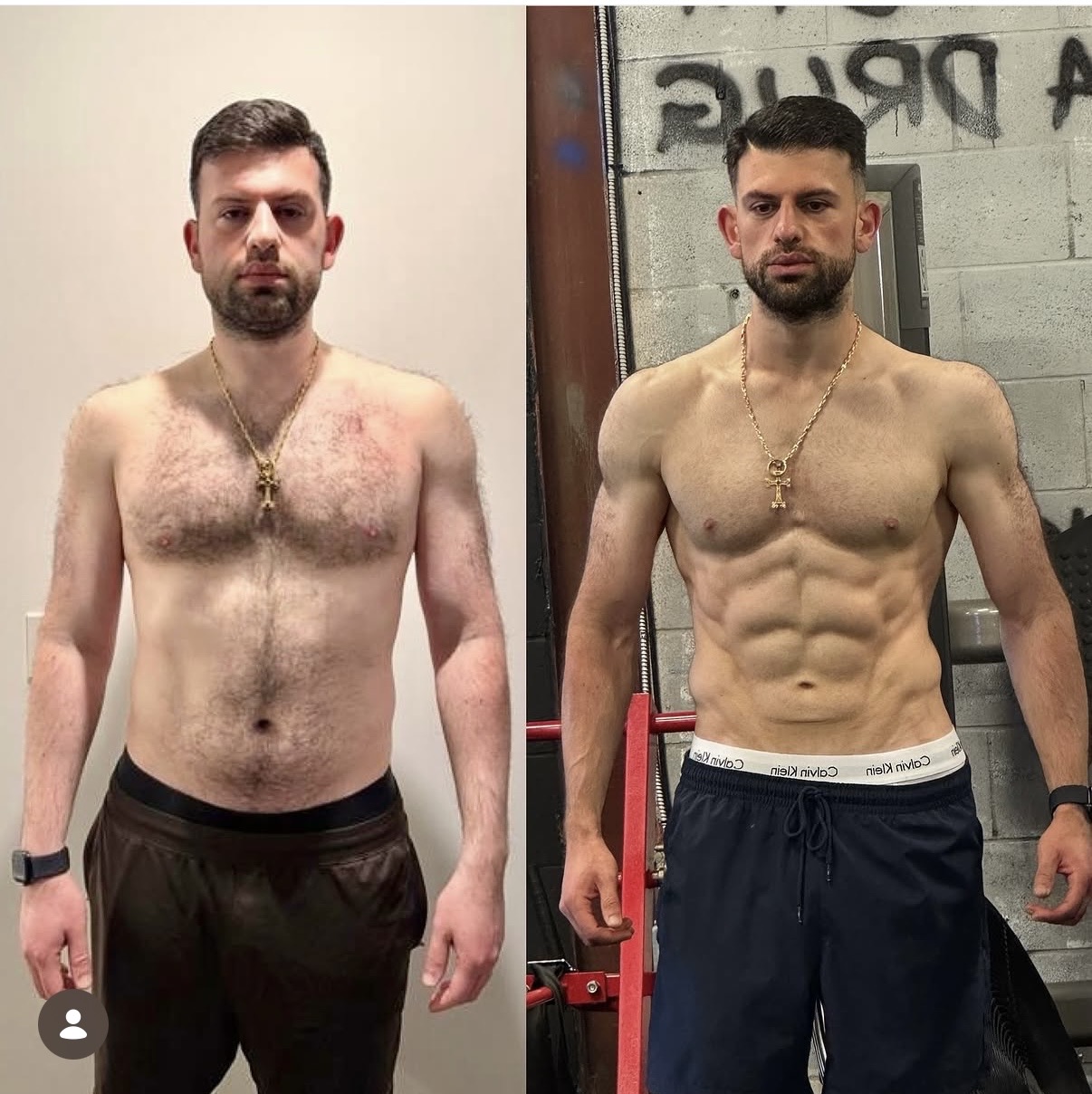
Client transformations Vlad has coached
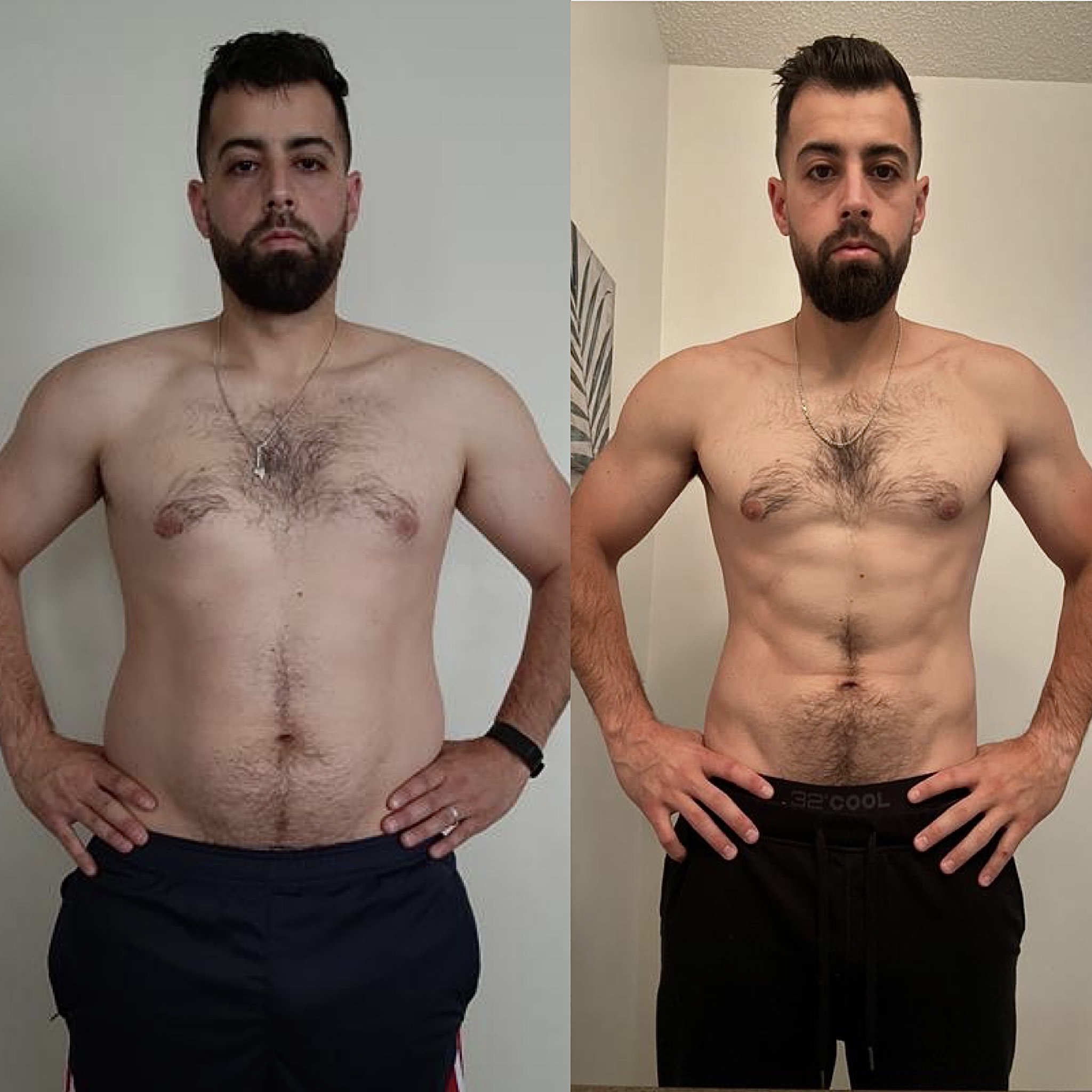
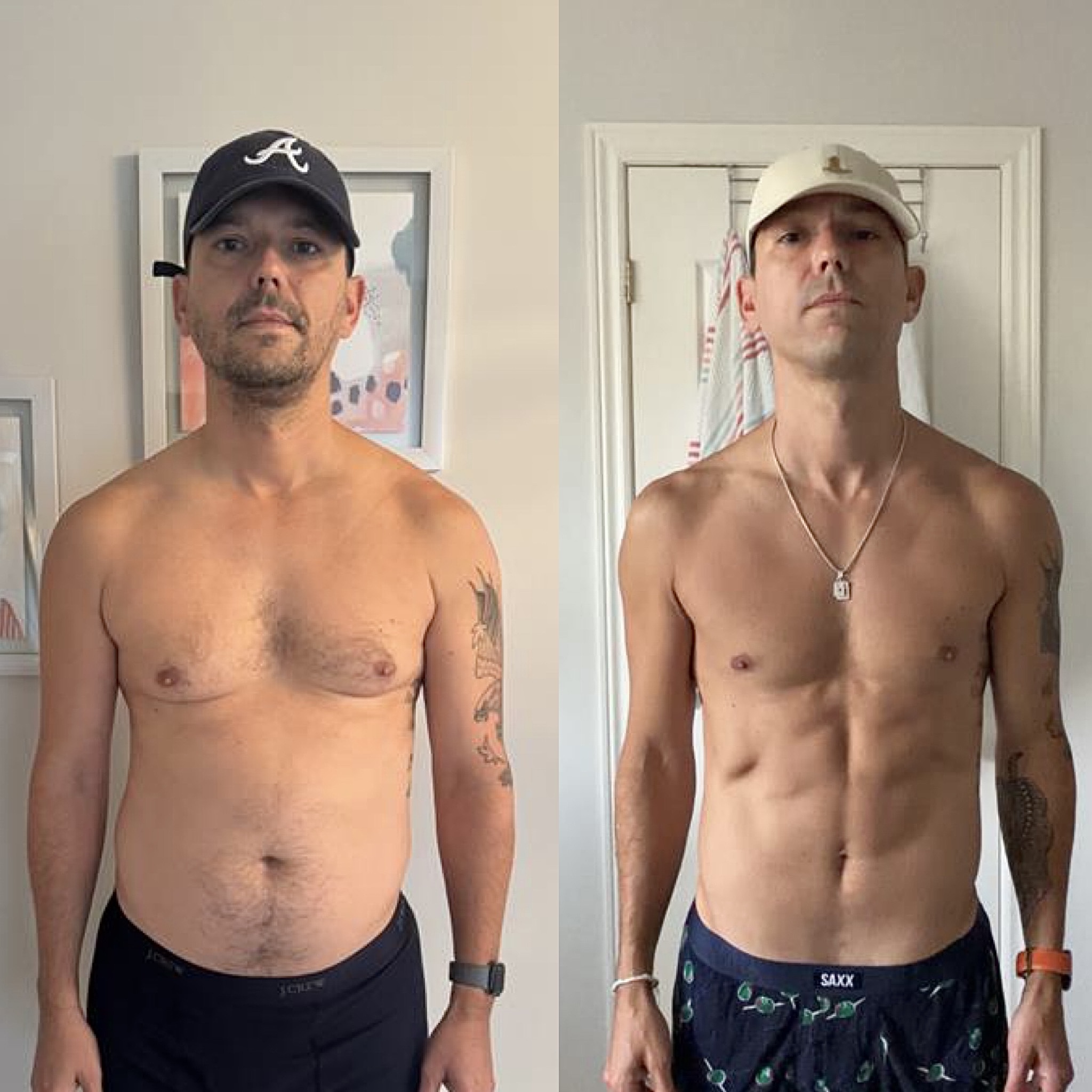
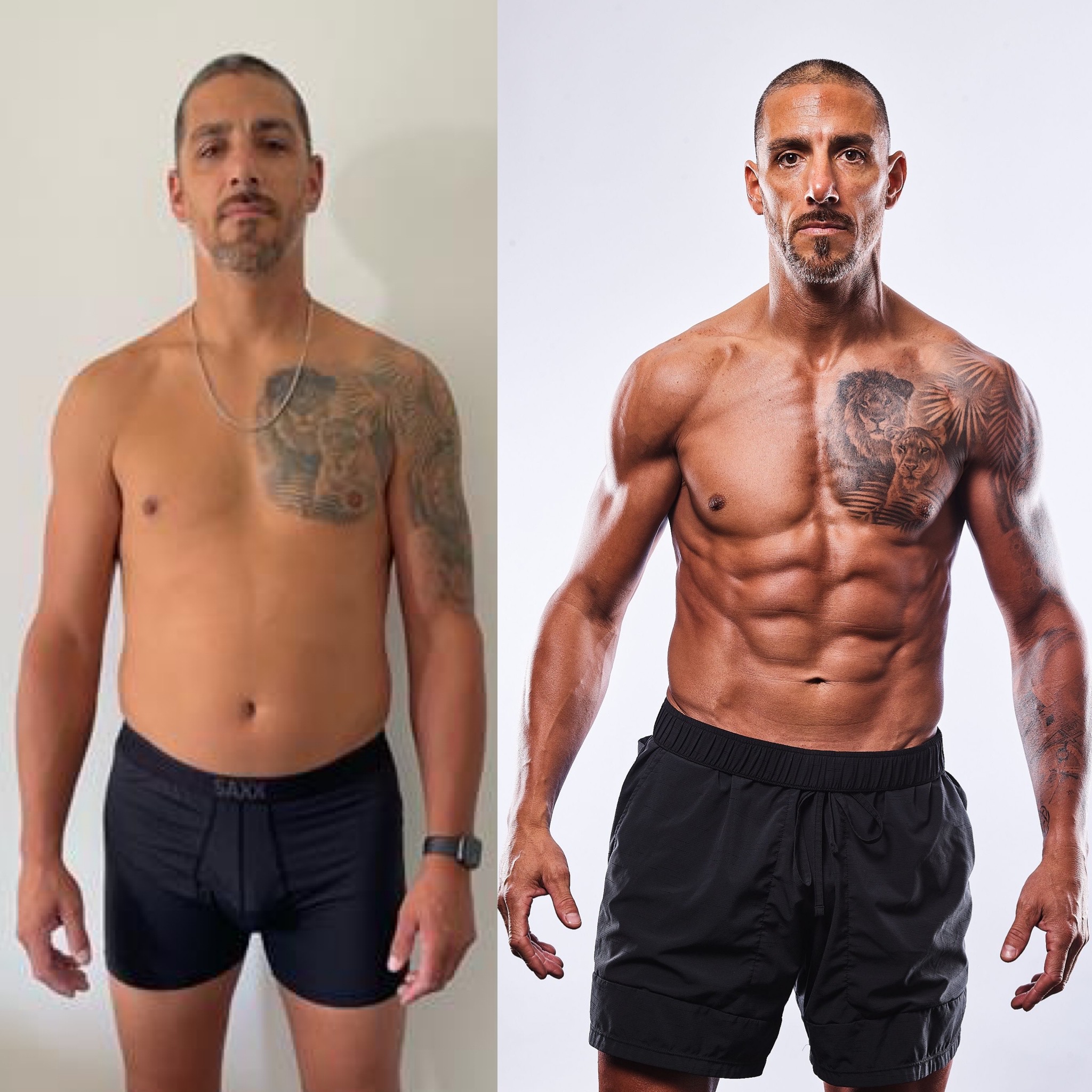
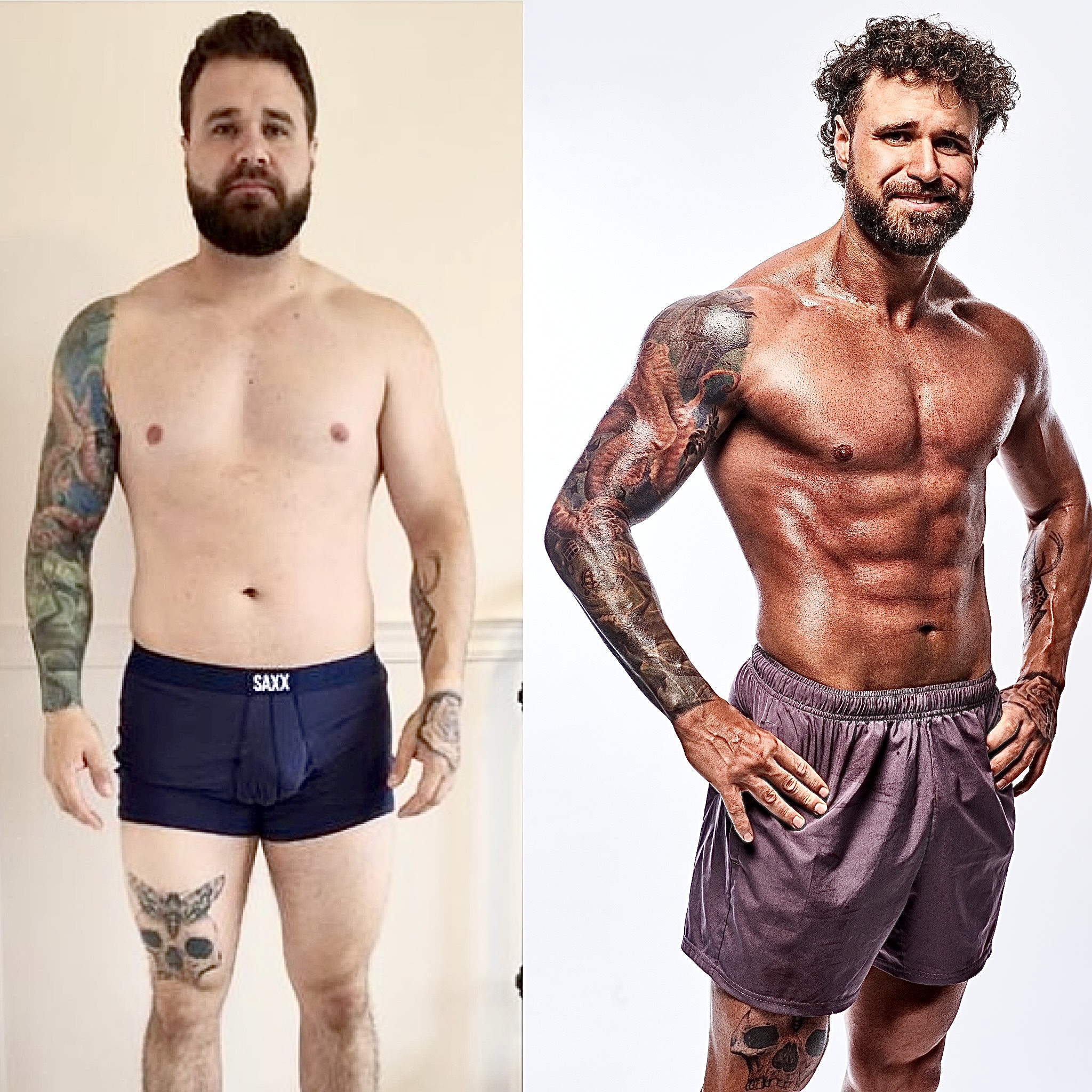
Fifteen before-and-afters from clients he coached personally at Hammer Fitness in Scarborough. Fat loss, muscle building and body recomposition — most of them six to twelve months of work.
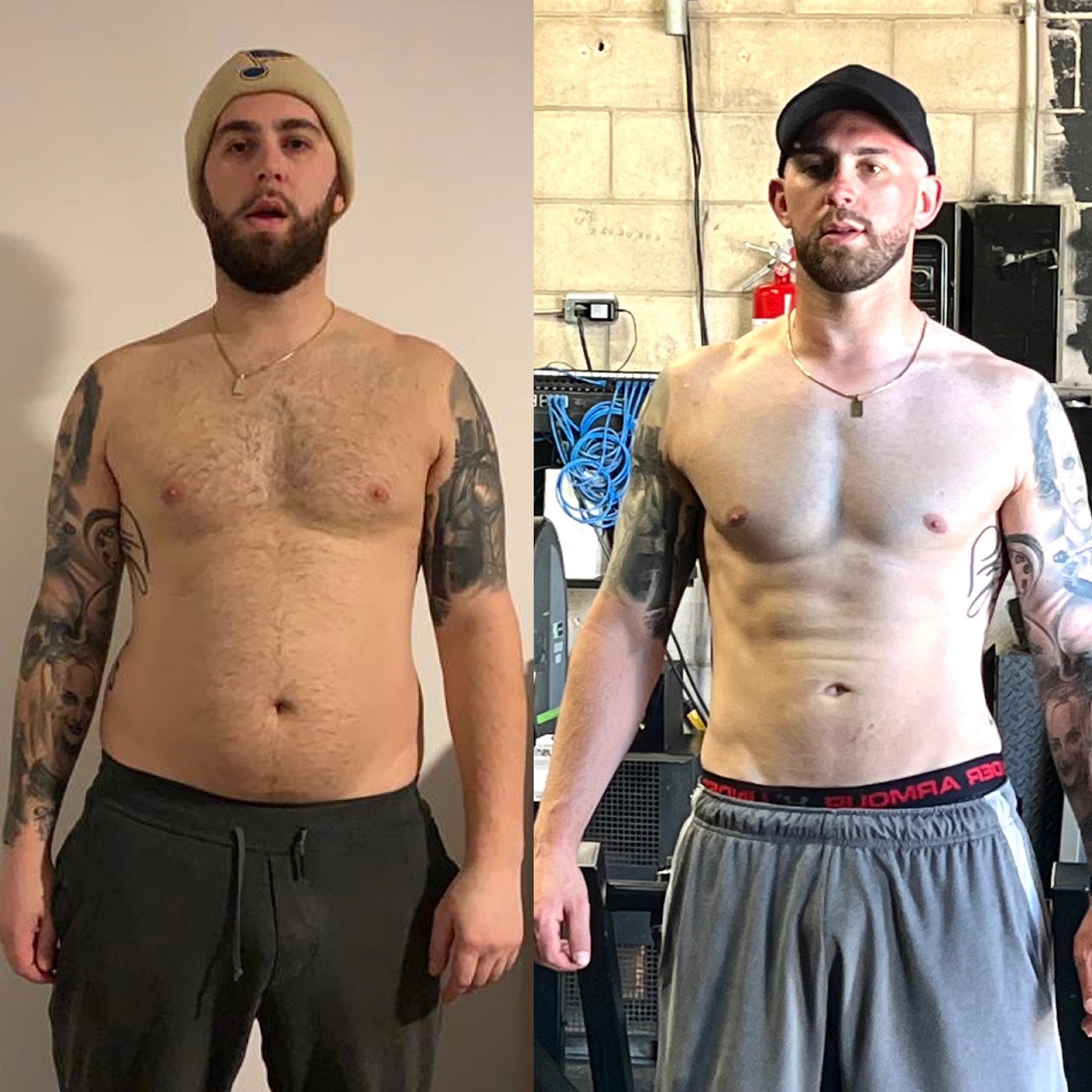
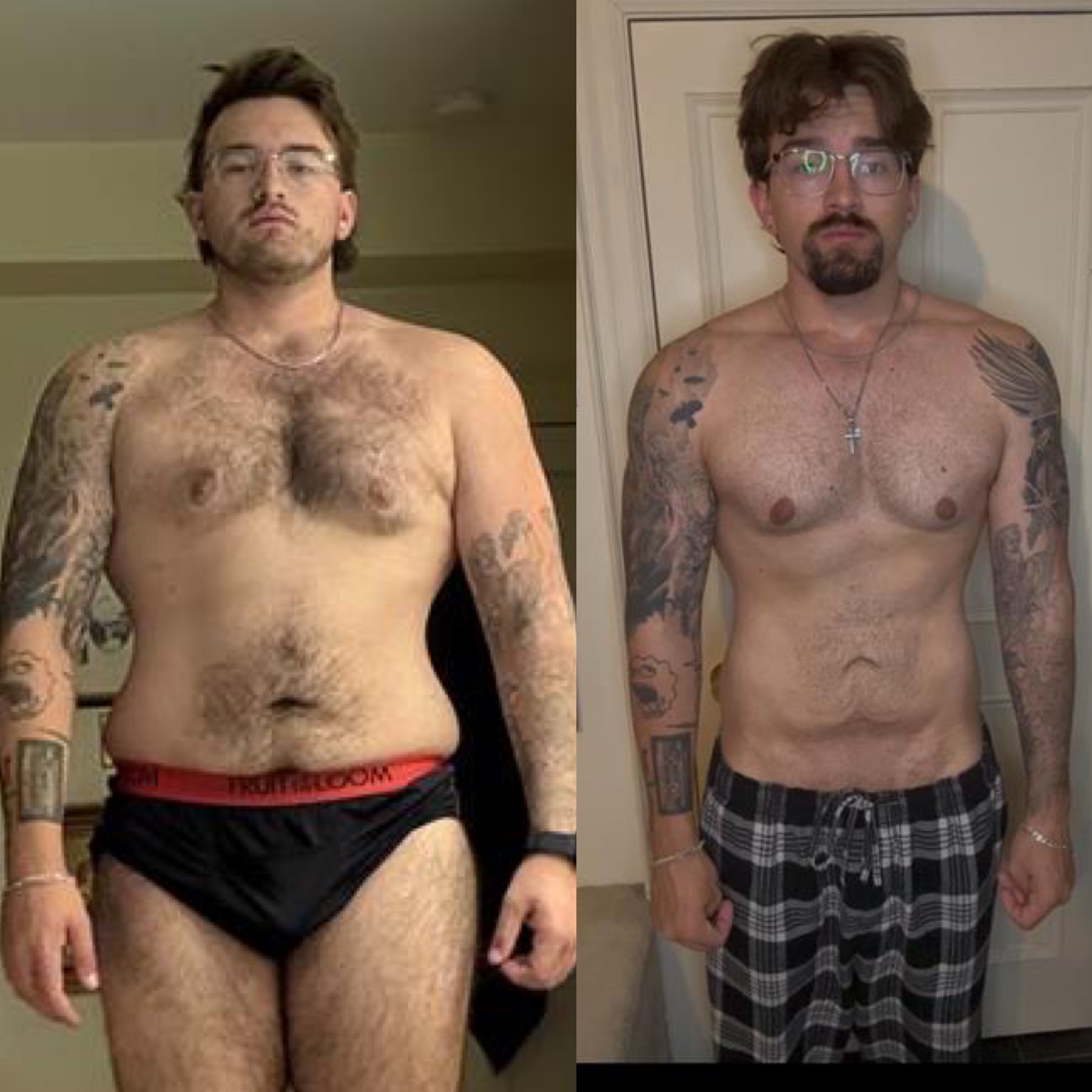
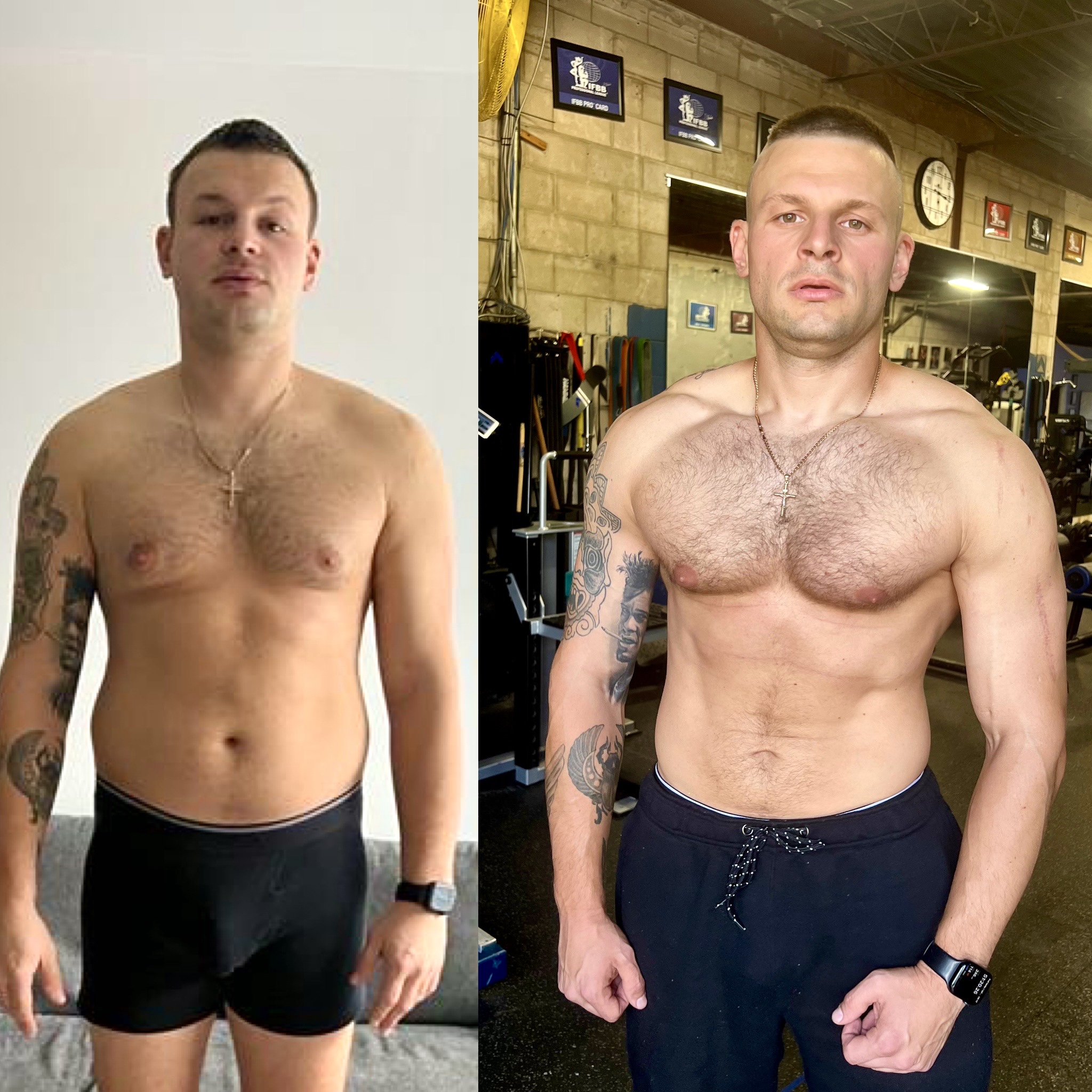
More across the gym: client transformations at Hammer Fitness.
Clients, in their own words
Jordan and Bilal, both coached by Vlad, talking about the training on camera.
What his clients say
Messages and Google reviews from clients Vlad has coached in Toronto.
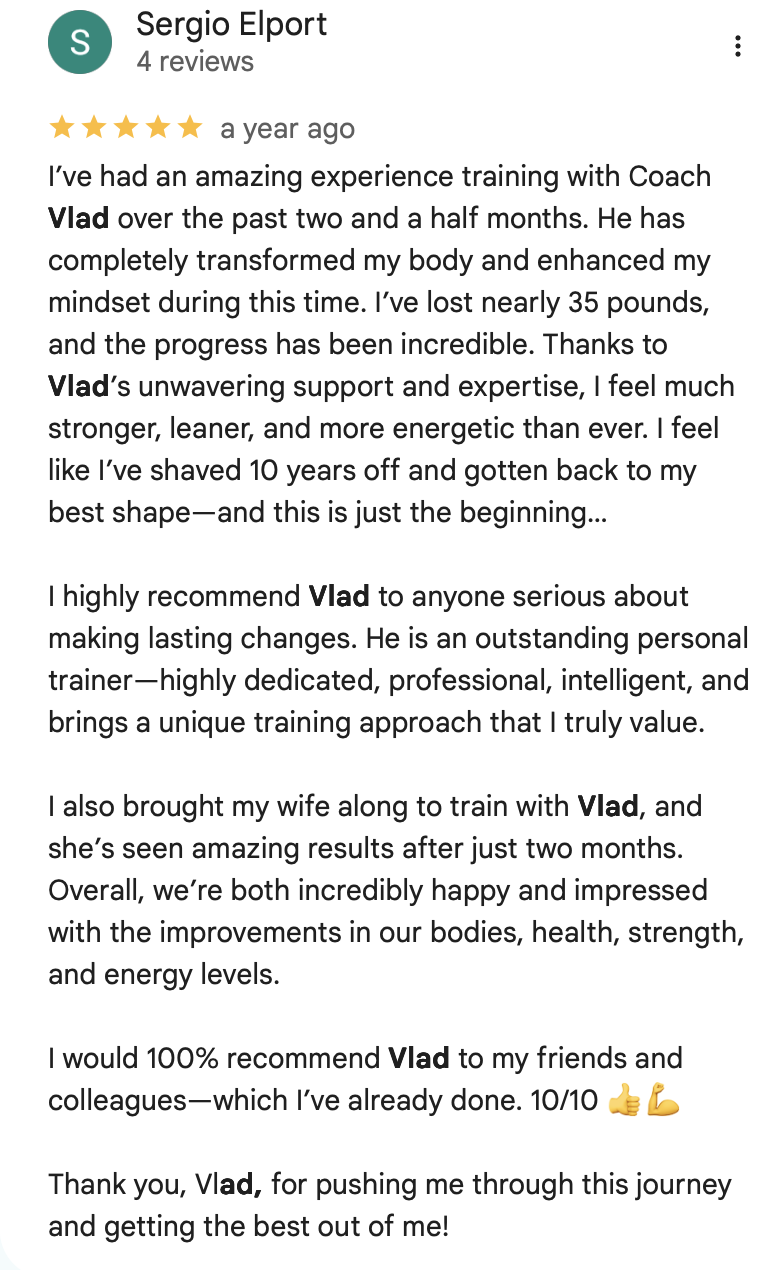
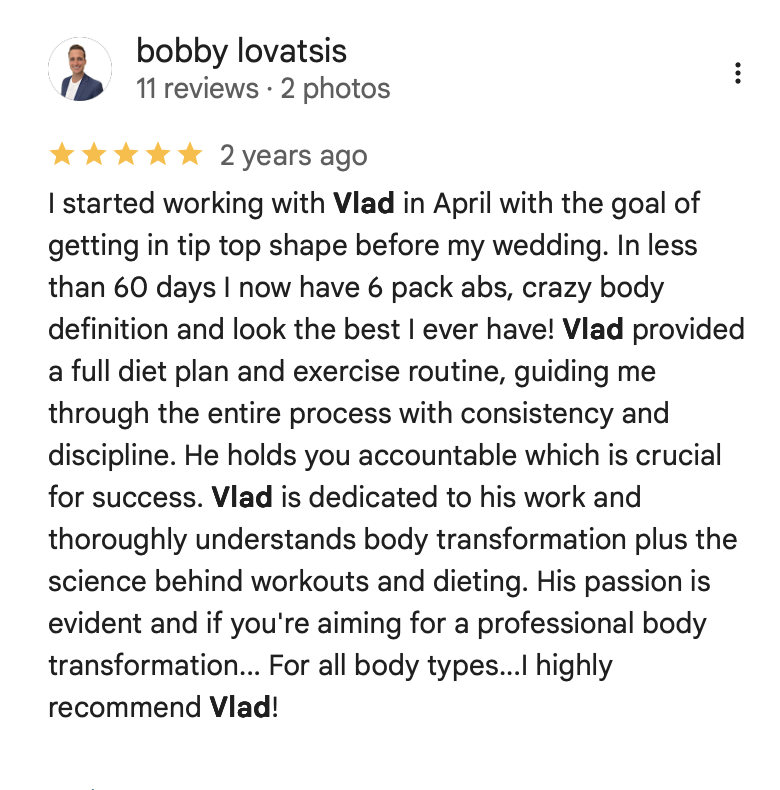
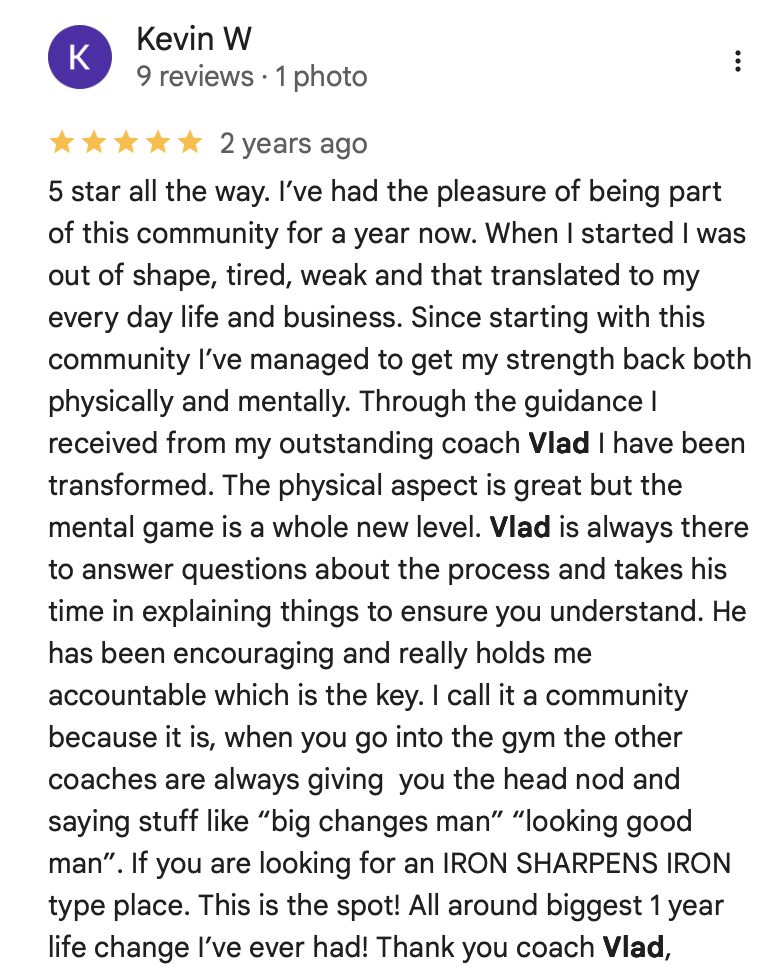
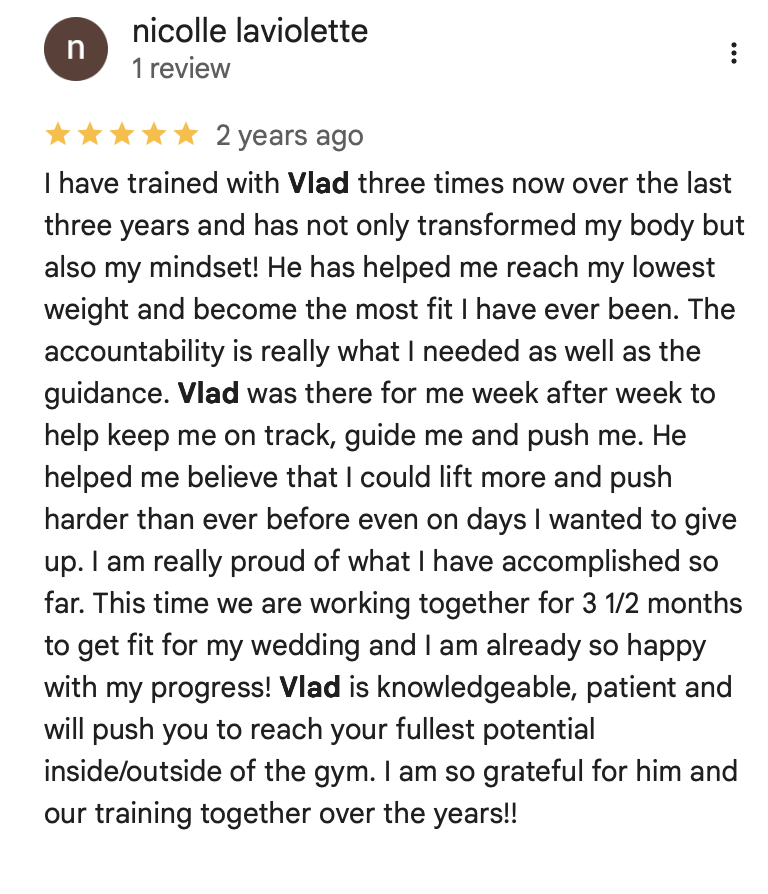
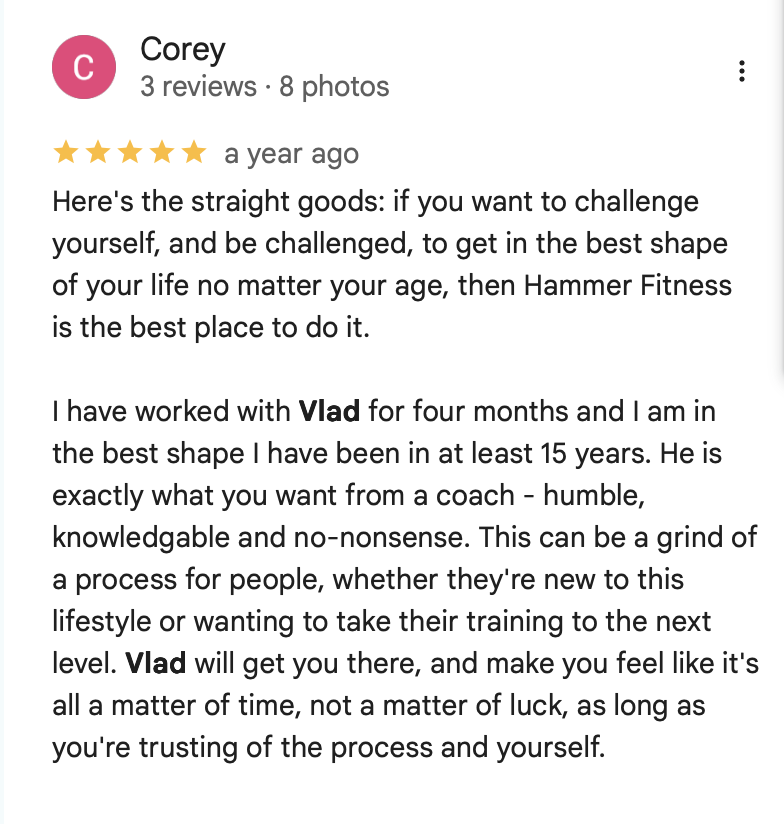
More from clients across the gym: Hammer Fitness reviews and testimonials.
Online coaching, held to the same standard
The same principles apply either side of a screen.
Understand the individual, collect the right information, build the plan around the person, monitor the response, and make changes when the data gives a reason to.
Online coaching is not sending someone a workout and checking in once a week. It requires clear communication, good systems, strong exercise instruction, progress tracking, nutrition guidance, and the ability to make decisions without standing beside the client.
Vlad's goal is to deliver the same level of individualisation and coaching judgement online that anyone would expect from high-level in-person work.
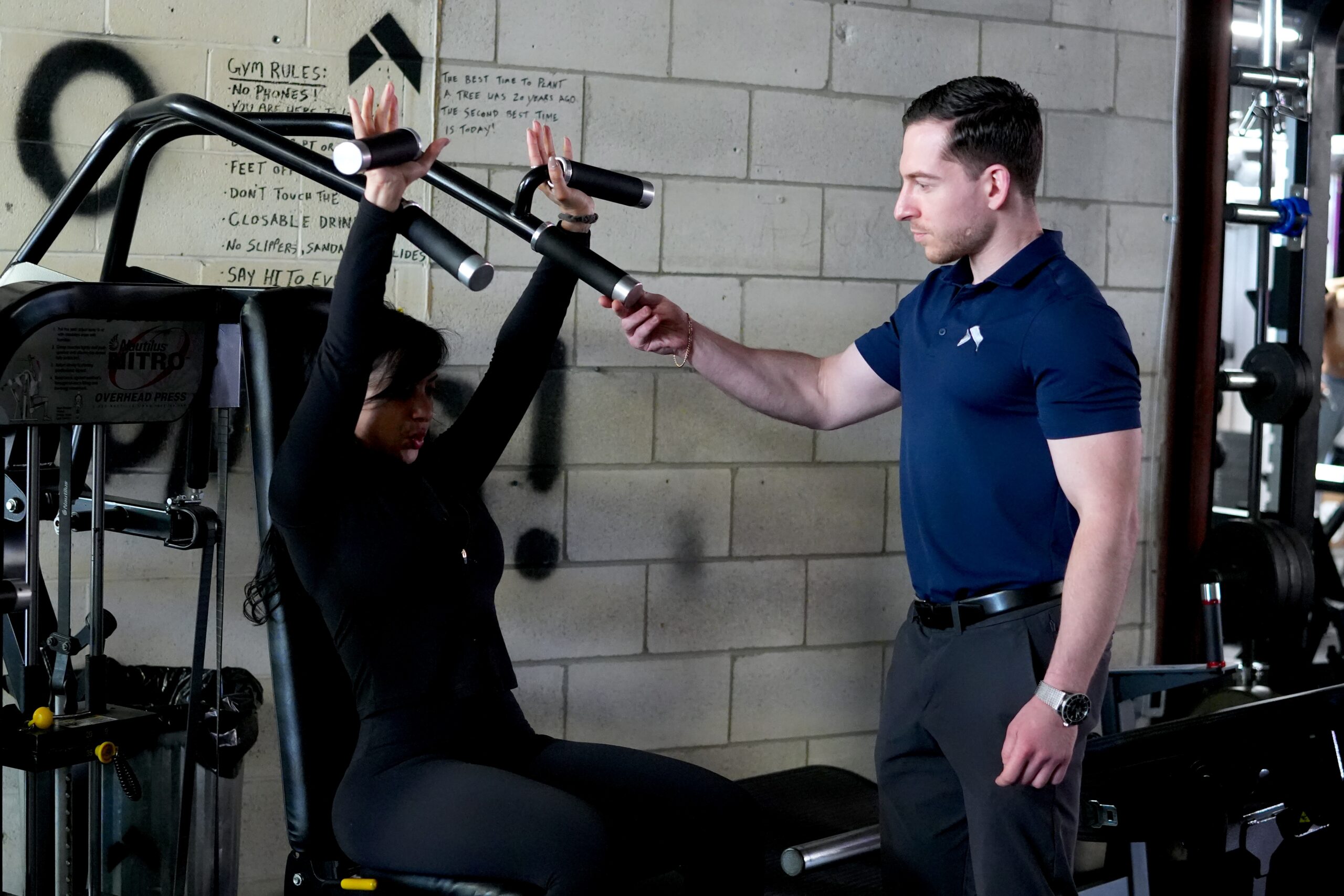
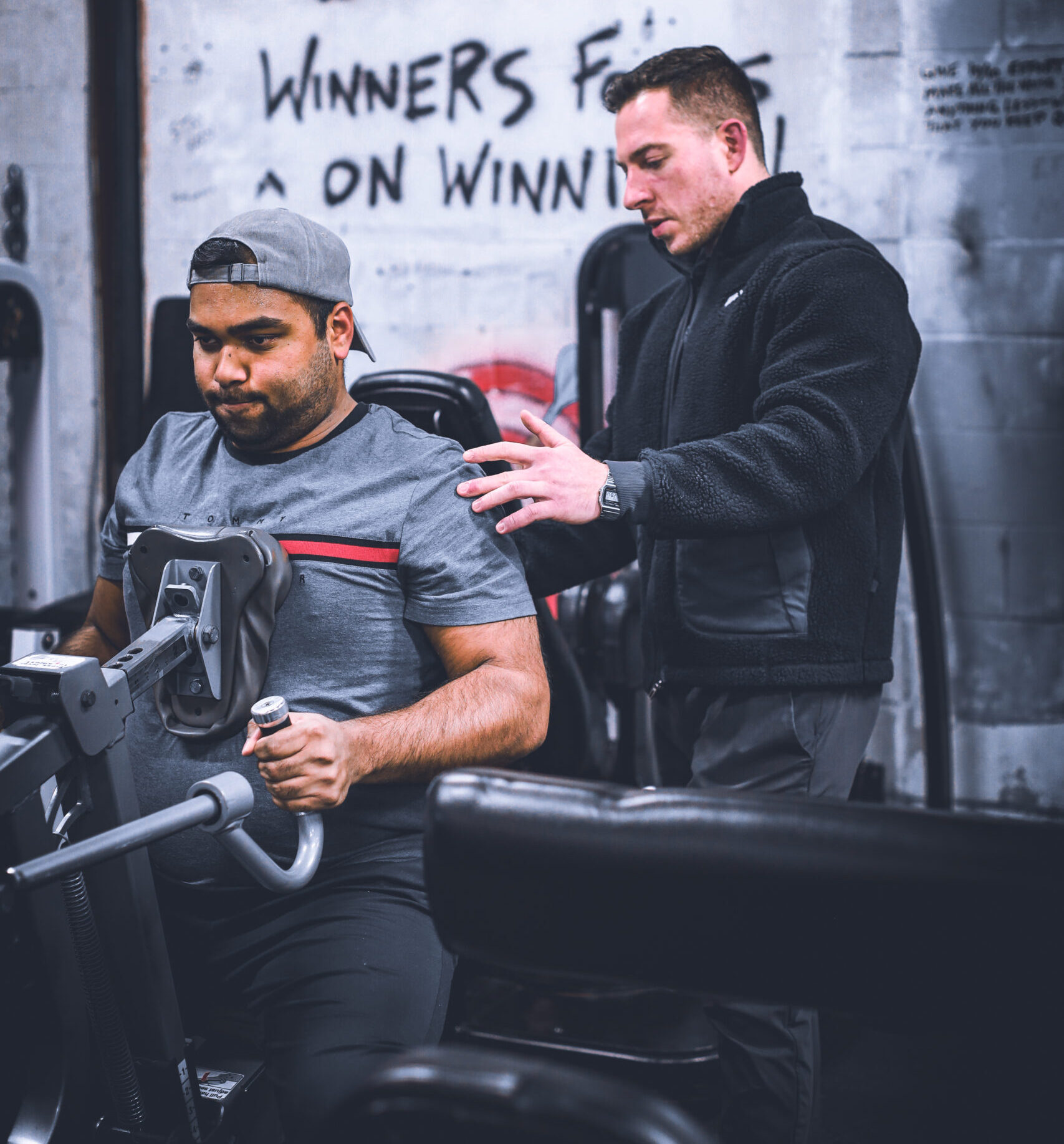
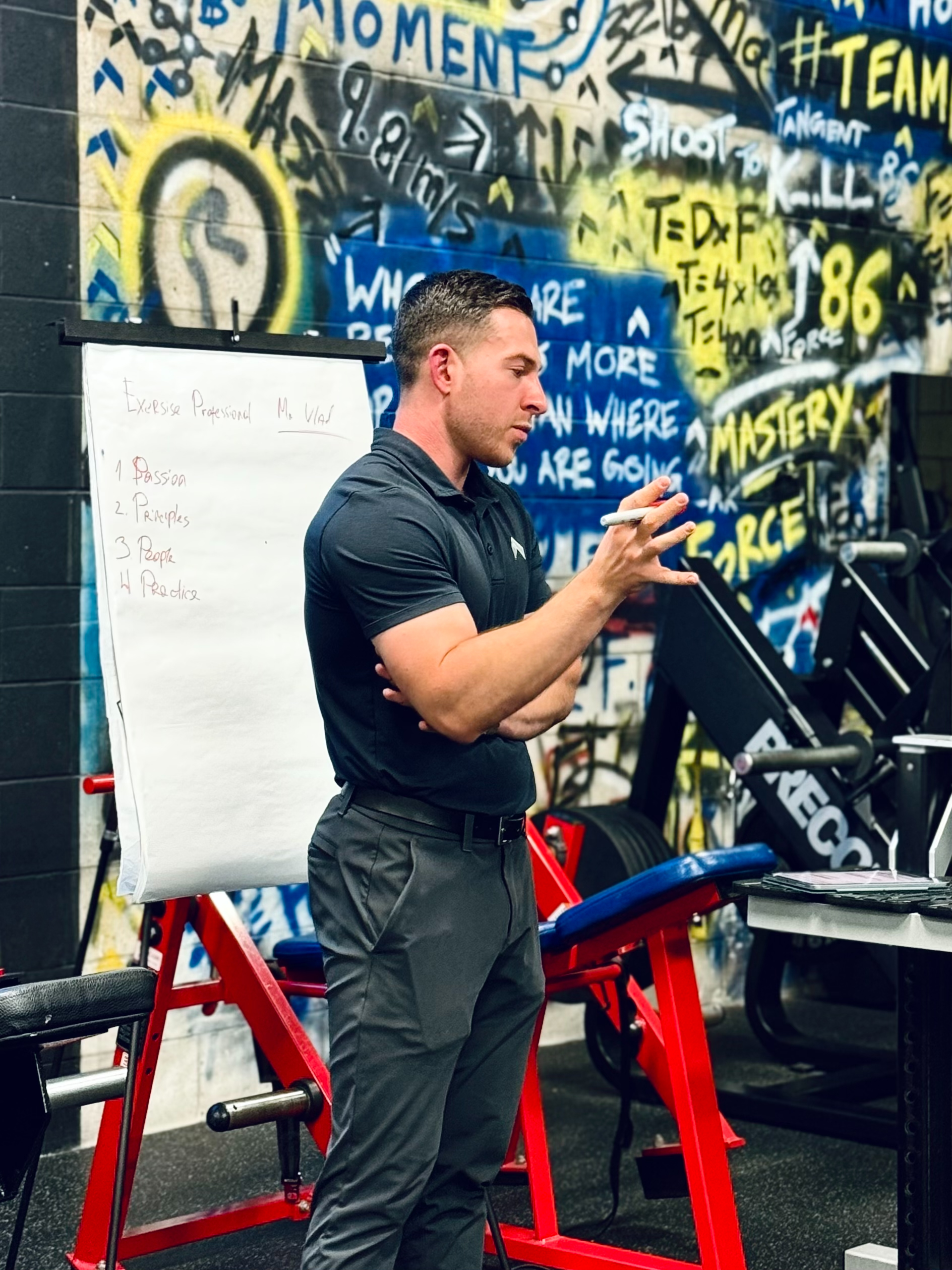
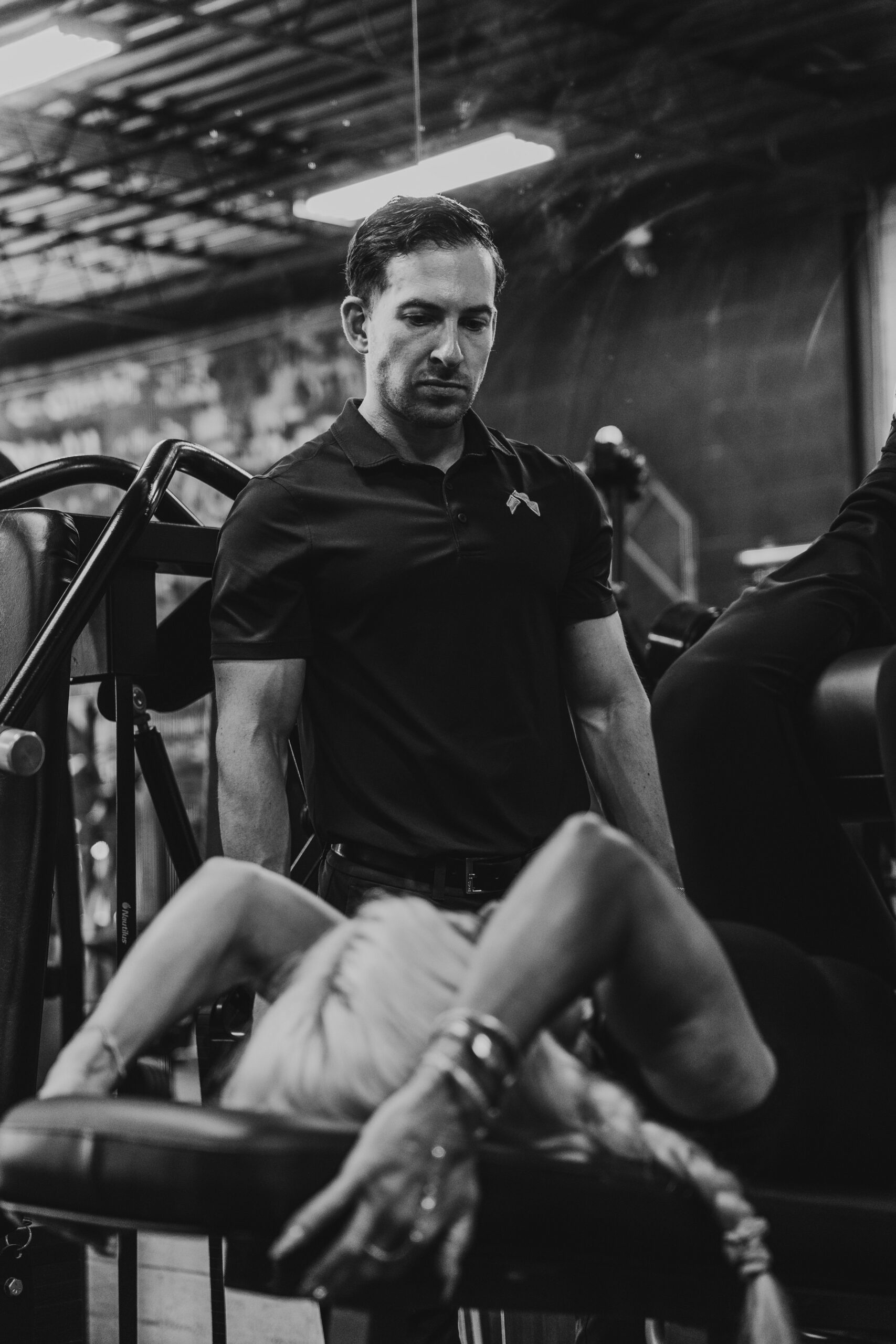
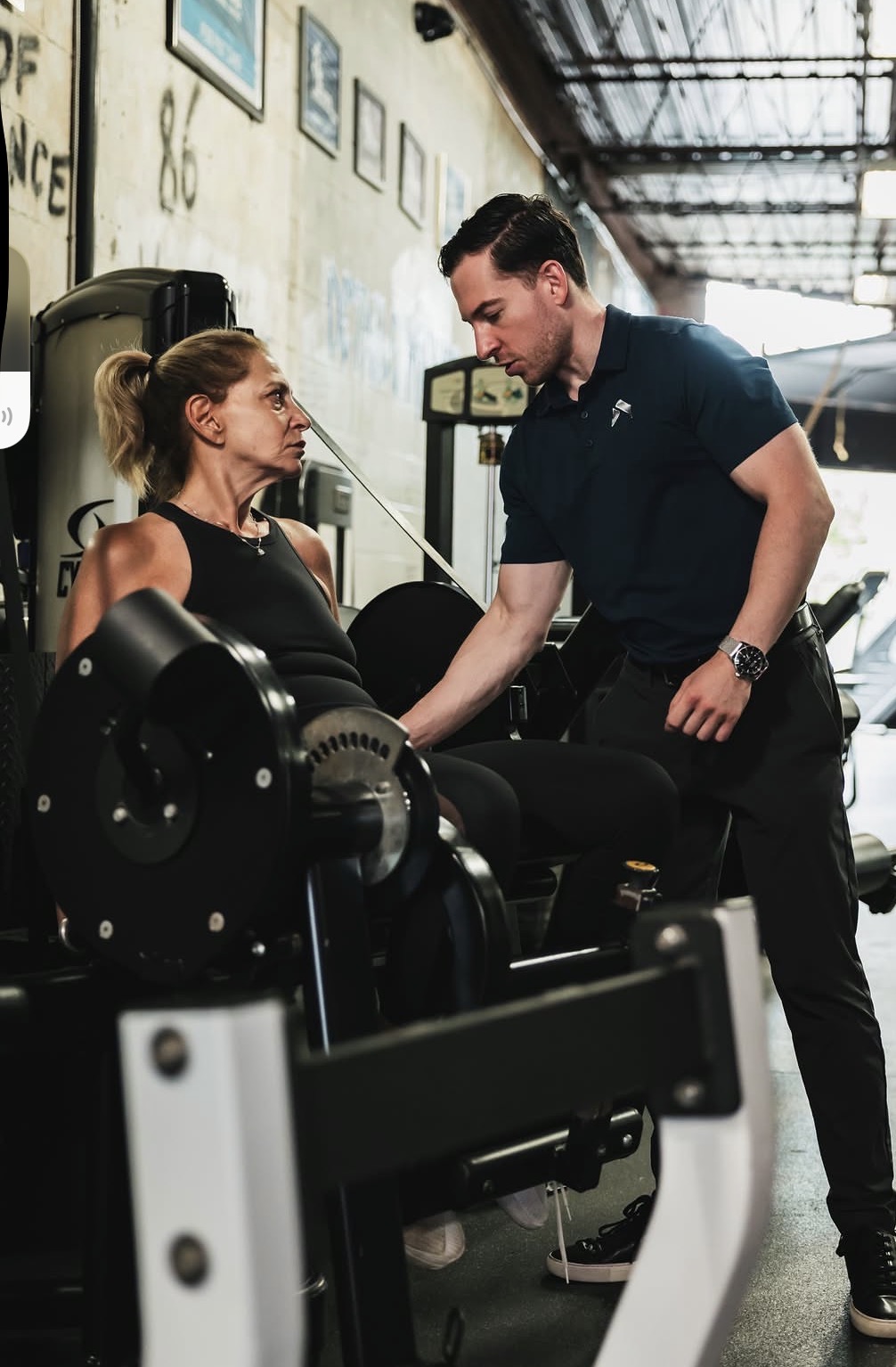
On the floor — and in front of the room
One-on-one sessions at Hammer Fitness in Scarborough, and teaching as an ECS Educator.
Technical focus
The areas he has spent the most time developing.
Credentials & education
- Approximately 8 years of coaching experience
- ECS Educator — Elite Coaching System, plus ECS Level 1 and Level 2
- Mechanical engineering education
- RTS — Resistance Training Specialist course education and applied principles (course study; certification exam not completed)
- canfitpro certification
- ISSA certification
- Additional personal training certifications and continuing education
- Extensive practical education through Amer Kamra and the Hammer Fitness coaching system
- Experience coaching hundreds of clients in person and online
The main idea behind his coaching
If it had to be one sentence.
Do not start with an assumption about what the client needs. Investigate first.
Understand the person, understand the goal, understand the mechanics, understand the constraints — and then make an intentional decision.
That applies to exercise selection, training volume, nutrition, cardio, recovery, and the coaching process as a whole.
Where he coaches
Vlad coaches at Hammer Fitness, Unit 7 — 21 Progress Ave in Scarborough, and online. Sessions are one-on-one or semi-private, by appointment, on a private floor with no drop-ins and no classes. Open 5am to 11pm, seven days a week.
The privacy is practical rather than a luxury. A client can be corrected mid-set without an audience, train at the level they are actually at, and learn properly instead of performing.
Common questions
What does ECS Educator actually mean?
The Elite Coaching System is a coaching certification. An Educator is one of the people who teaches it. Vlad delivers the coursework other coaches qualify through, and holds ECS Level 1 and Level 2 himself. In practice it means the person coaching you is also the person other trainers learn from.
What does an engineering background have to do with coaching?
Engineering teaches you to investigate before concluding — identify the variables, understand the forces involved, and decide from evidence rather than assumption. Applied to resistance training that means looking at the resistance profile, the leverage, the joint motion and the individual's structure before deciding an exercise is right for them.
Is Vlad RTS certified?
No, and he is specific about it. He studied the RTS — Resistance Training Specialist — course and applies its principles, but does not present himself as having completed the RTS certification exam.
Who does Vlad coach?
Body composition clients, most often busy professionals and many of them over forty, who want to change how they look without turning fitness into a second full-time job. He has coached hundreds of clients in person and online.
What is the Minimum Effective Dose approach?
Using the least amount of work required to produce the result, then adding or changing something only when there is a reason. It does not mean doing as little as possible. It means removing unnecessary work so every decision in the plan earns its place.
Does he coach online as well as in person?
Yes. The same principles apply either way: understand the individual, collect the right information, build the plan around the person, monitor the response and change it when the data gives a reason. Online clients get the same individualization and the same coaching judgment.
Where does Vlad coach?
At Hammer Fitness, Unit 7 — 21 Progress Ave, Scarborough, Toronto M1P 4S8. It is a private, appointment-only training floor rather than a storefront gym, open 5am to 11pm, seven days a week.
How do I start?
Book a free consultation. Hammer Fitness will go through training history, what has already been tried, and what is realistic on the time available. Call 416 298-7997.
Two minutes on Google helps the next person decide.
Every review on the Hammer Fitness profile was left by somebody who actually trained on this floor. If that includes you, a short honest review is the most useful thing you can do for the person still deciding whether to book.
Mention the coach you worked with and what changed. That is the part a prospective client reads twice.
Helpful to include: Vlad Krymov, that you trained in Scarborough, and one specific thing that changed.
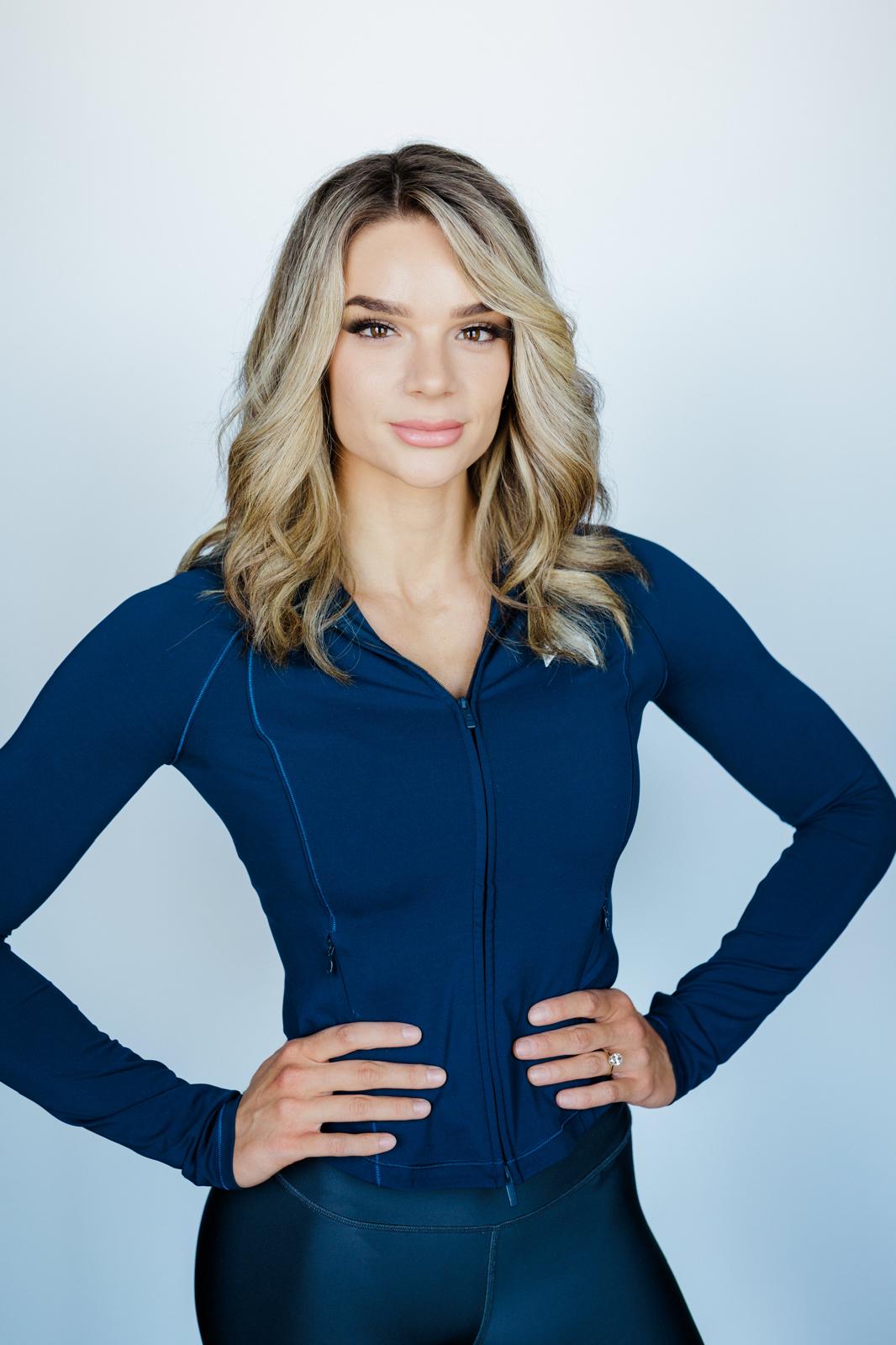
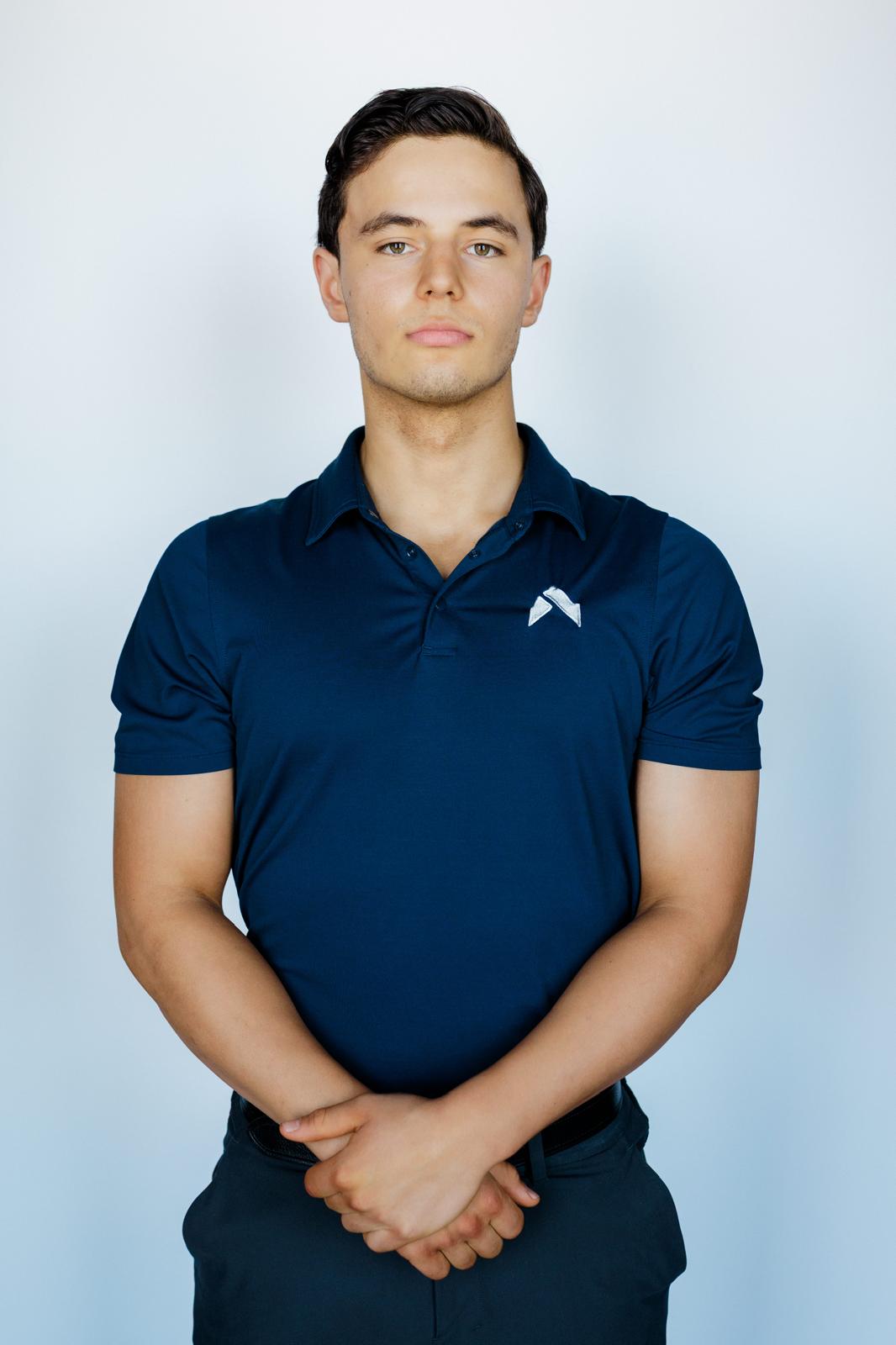
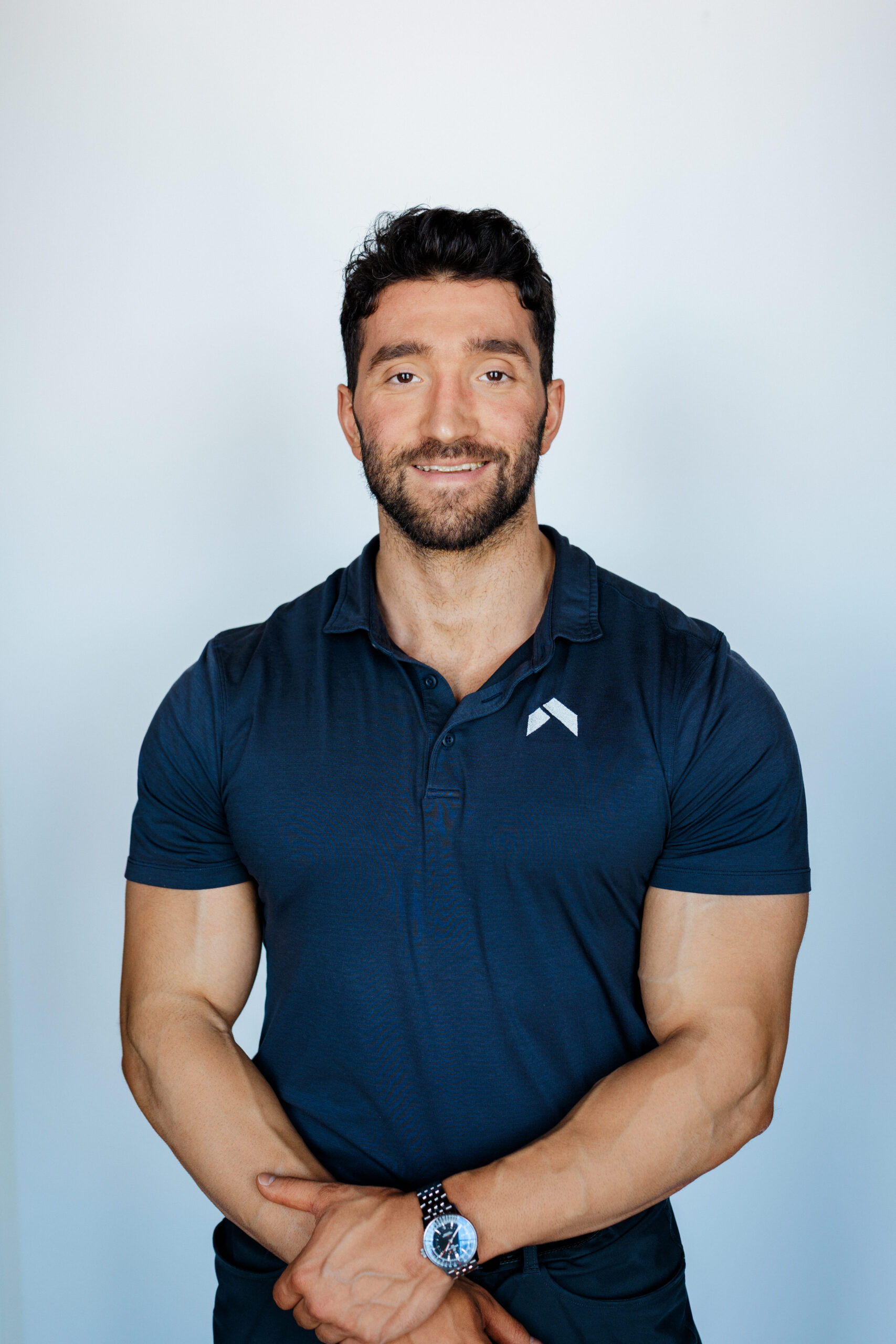
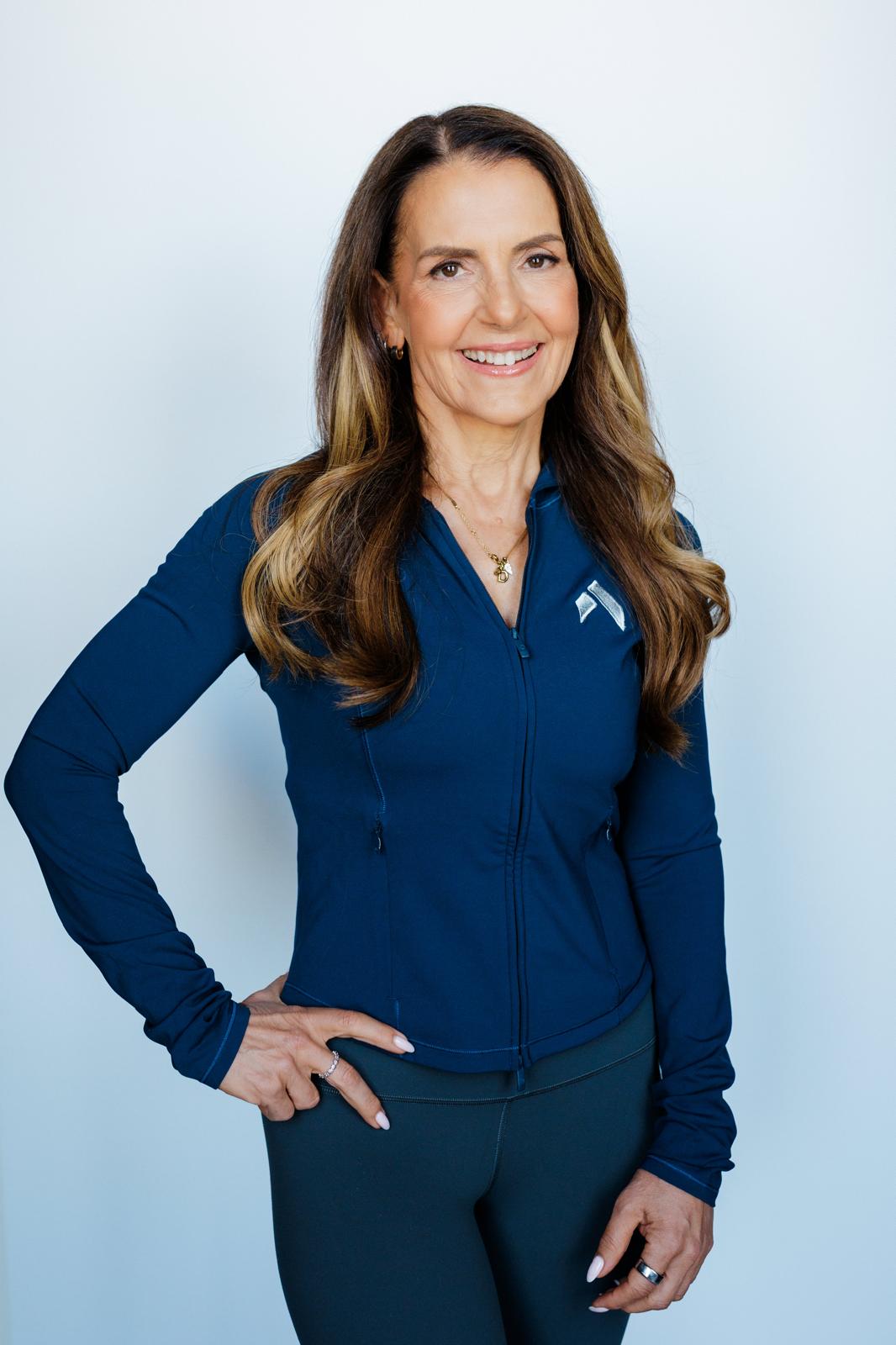
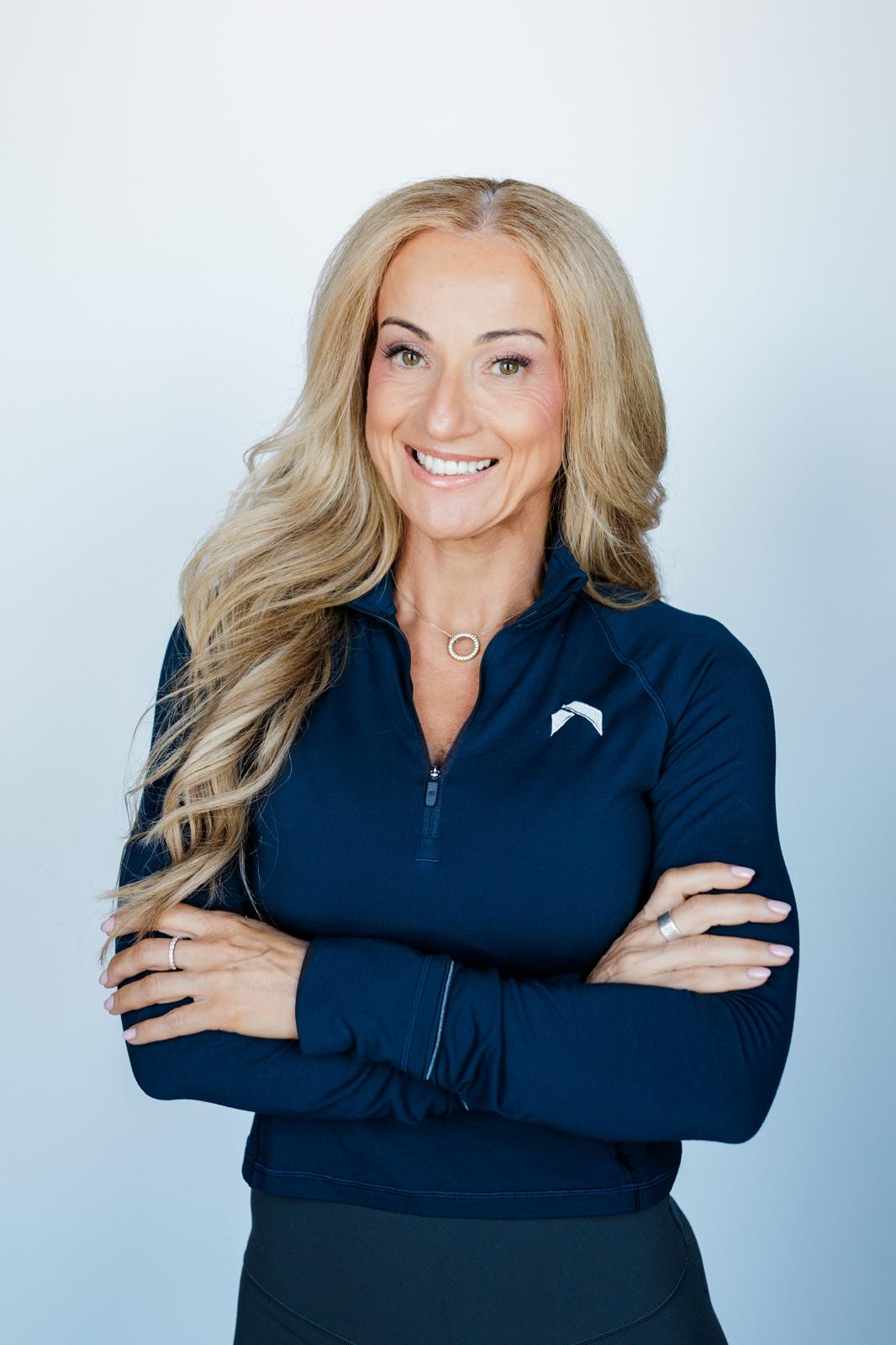
His colleagues at Hammer Fitness Scarborough
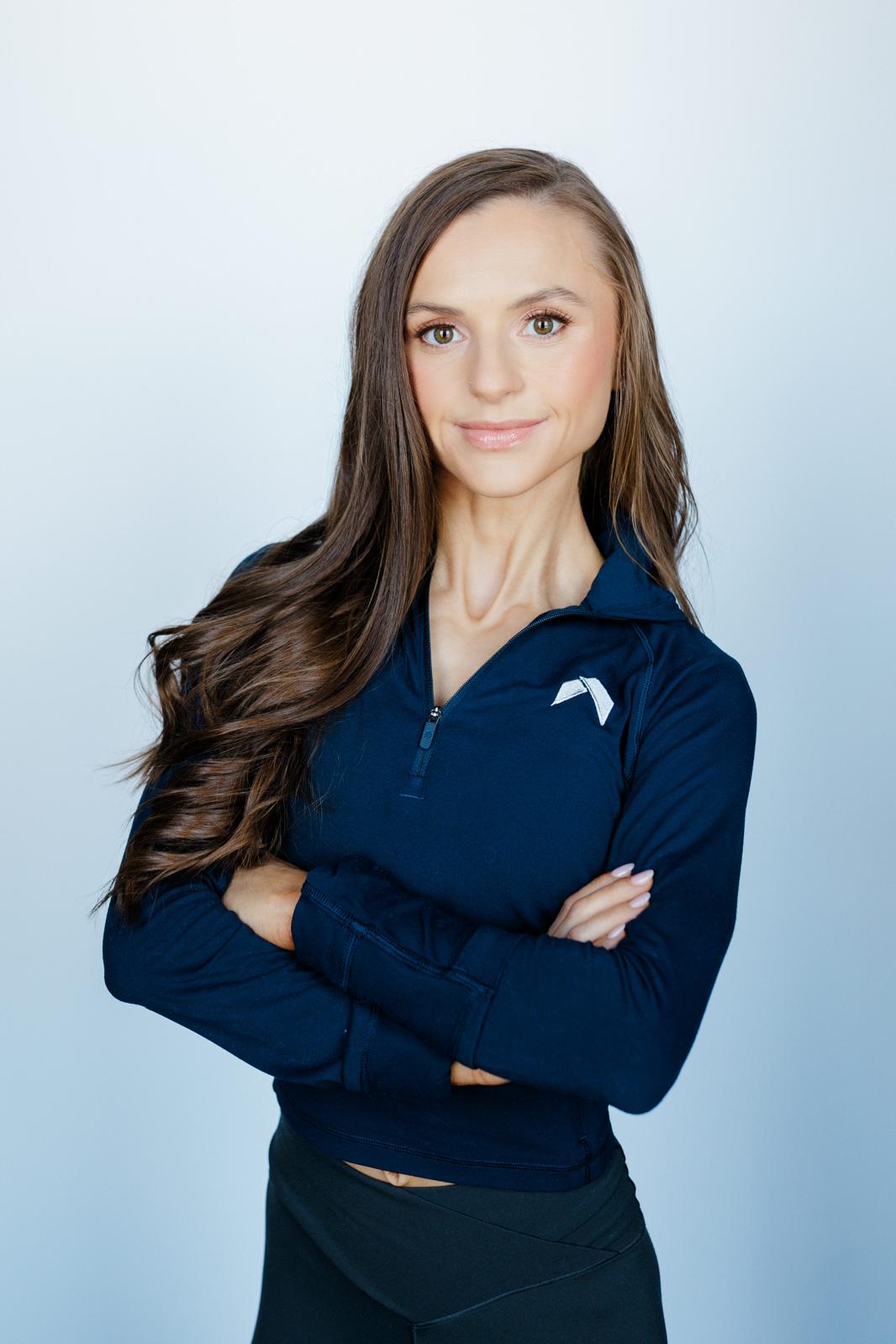
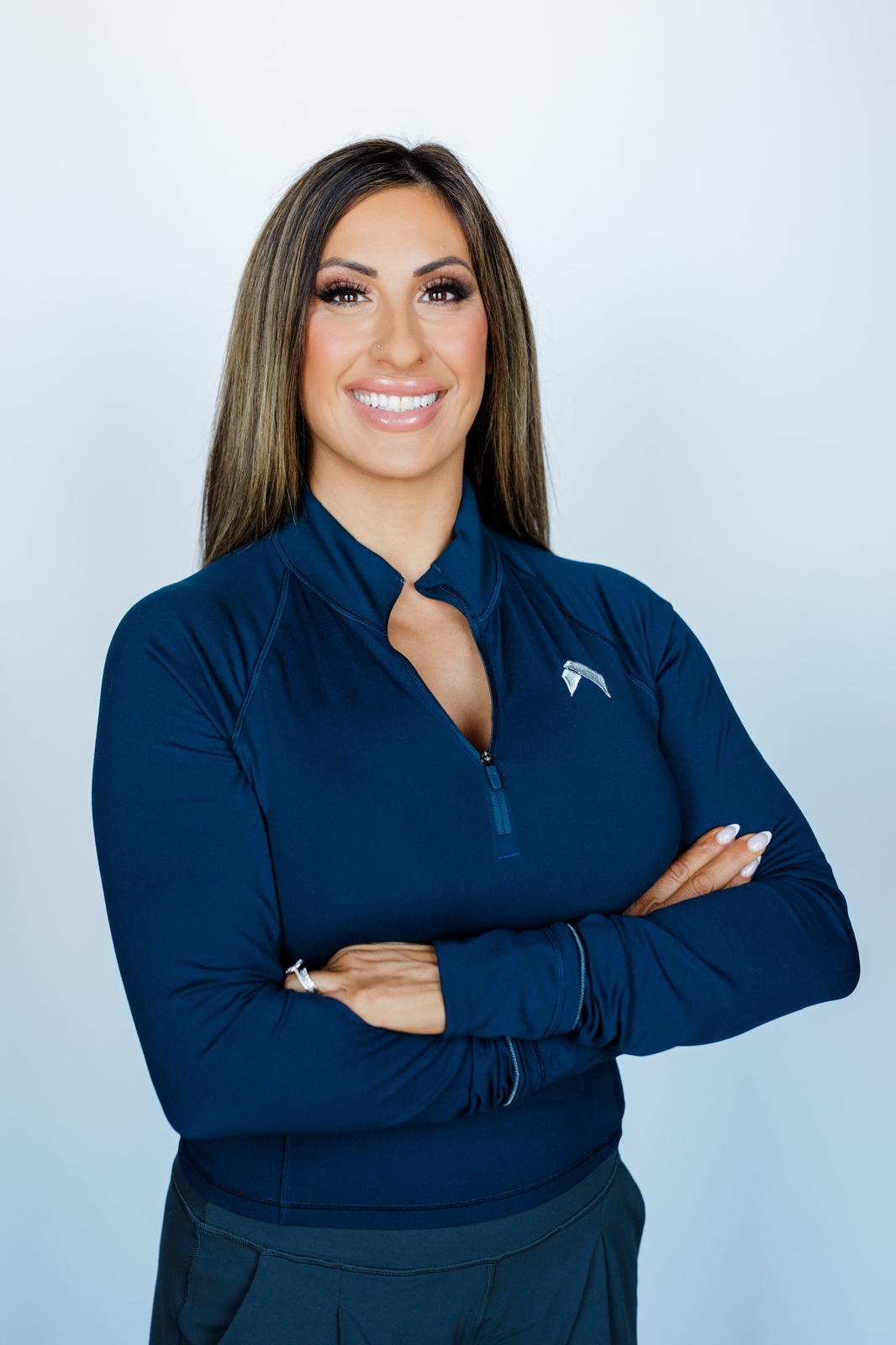
Every coach on this floor is trained in the same method.
Train with Vlad.
Book a free consultation. Hammer Fitness will go through your training history, what has already been tried, and tell you honestly what is realistic on the time you have.