
Keyvan Billou — doing more isn’t better. Doing better is better.
Keyvan coaches resistance training and body composition at Hammer Fitness in Scarborough. Biomechanics first, exercise selection built around the client’s actual structure, and the least work that still moves the needle.

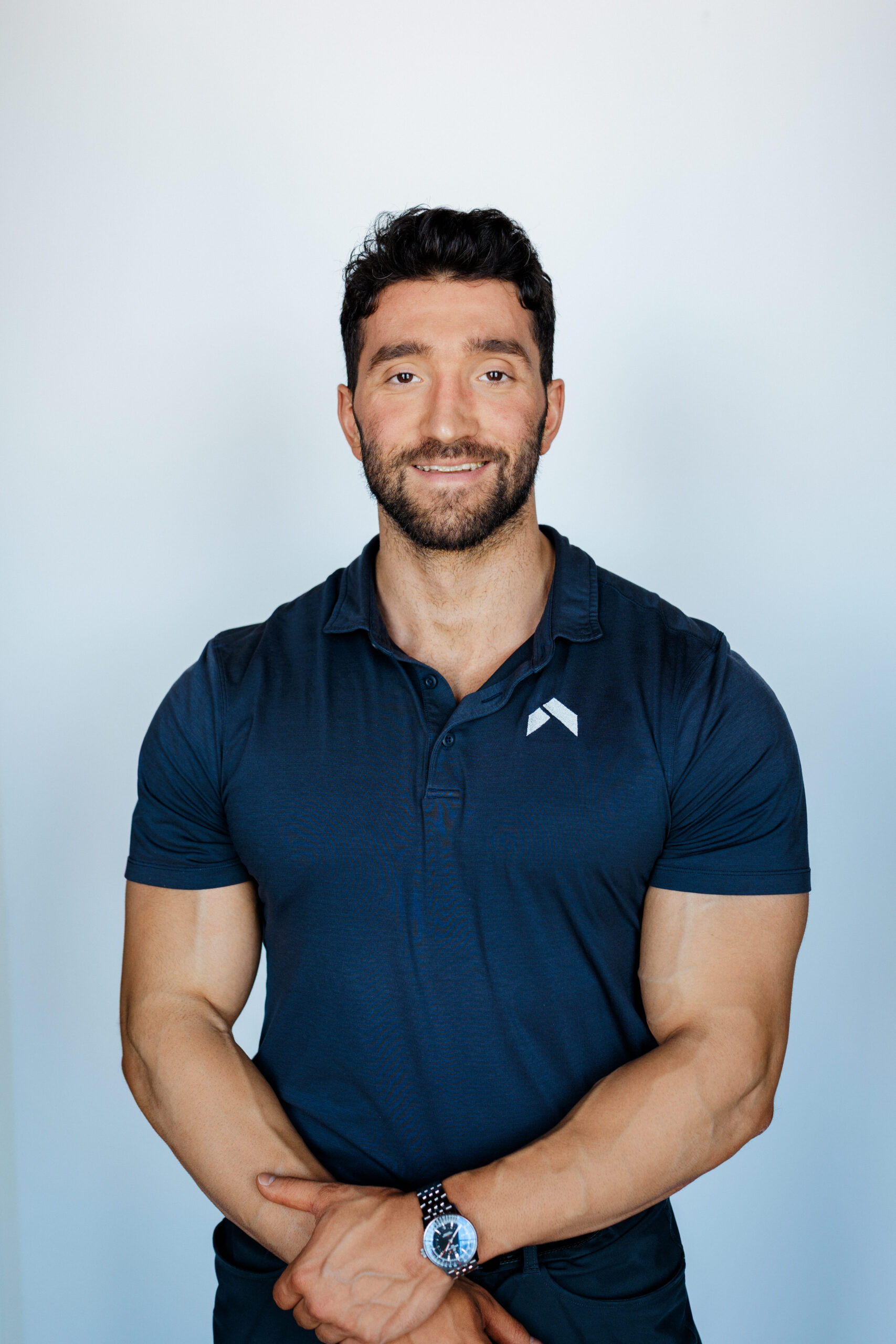
Keyvan Billou — body composition coach at Hammer Fitness
ECS Level 1 & Level 2 Certified · Trained in the MED Method · 100+ clients coached · 5,000+ client hours on the floor
Keyvan works from an understanding of human biomechanics and physics — the two things that decide whether a set builds a muscle or just moves a weight. That understanding is what lets his clients get body composition results efficiently, and in a way that protects their joints over the long run rather than borrowing against them.
He learned the MED Method directly from Amer Kamra, through the Elite Coaching System, and is certified at Level 1 and Level 2. It is the thing that separates how he coaches from how most trainers do: the fastest route to a body composition goal is not the most extreme one. It is the right dose of food, cardio and resistance work — and no more.
He came into the gym as a client first. Everything he now asks of the people he coaches, he was asked first, and he knows exactly how it feels from the other side of the clipboard.
On the floor
One-on-one and semi-private, by appointment, at 21 Progress Ave.
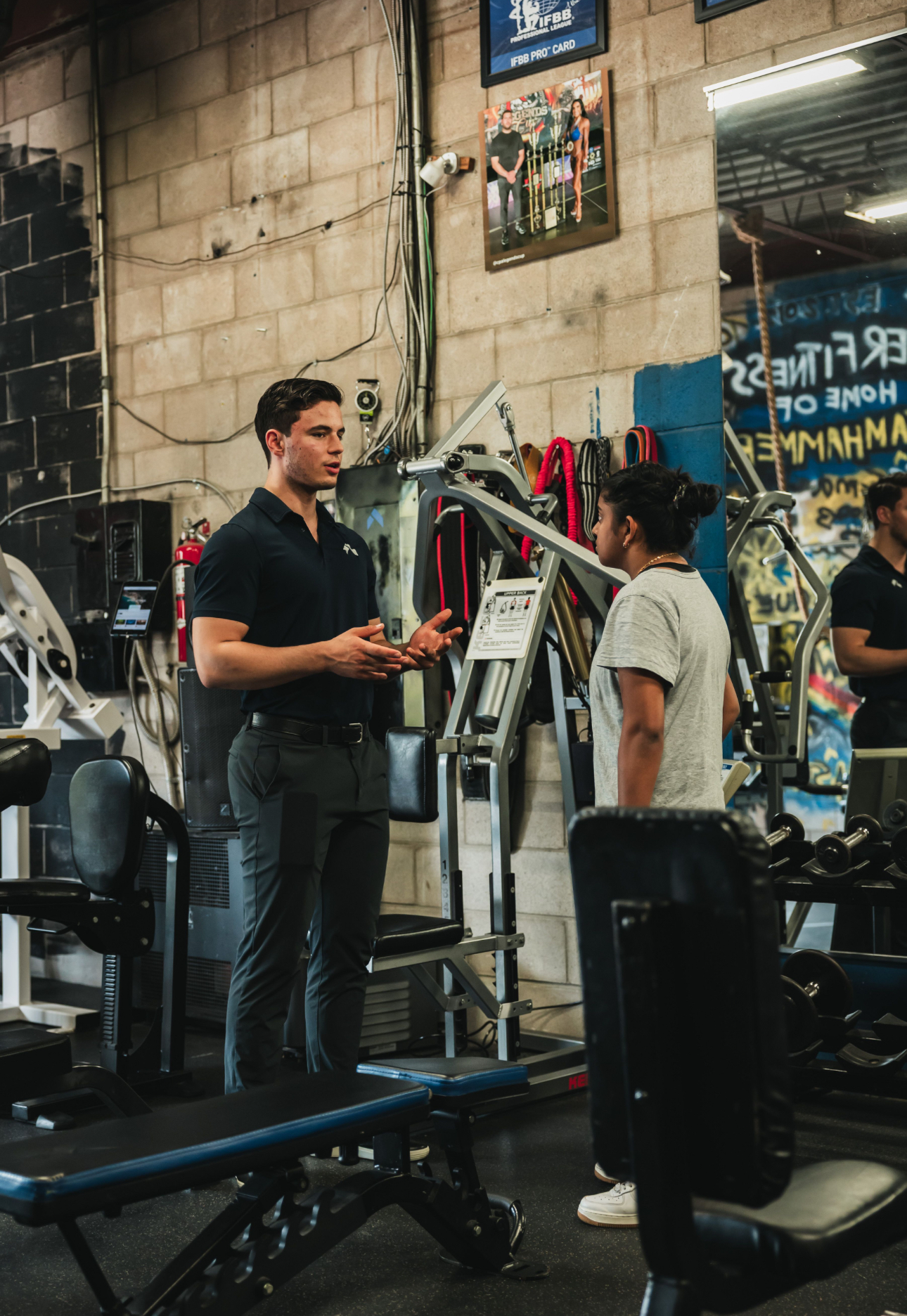
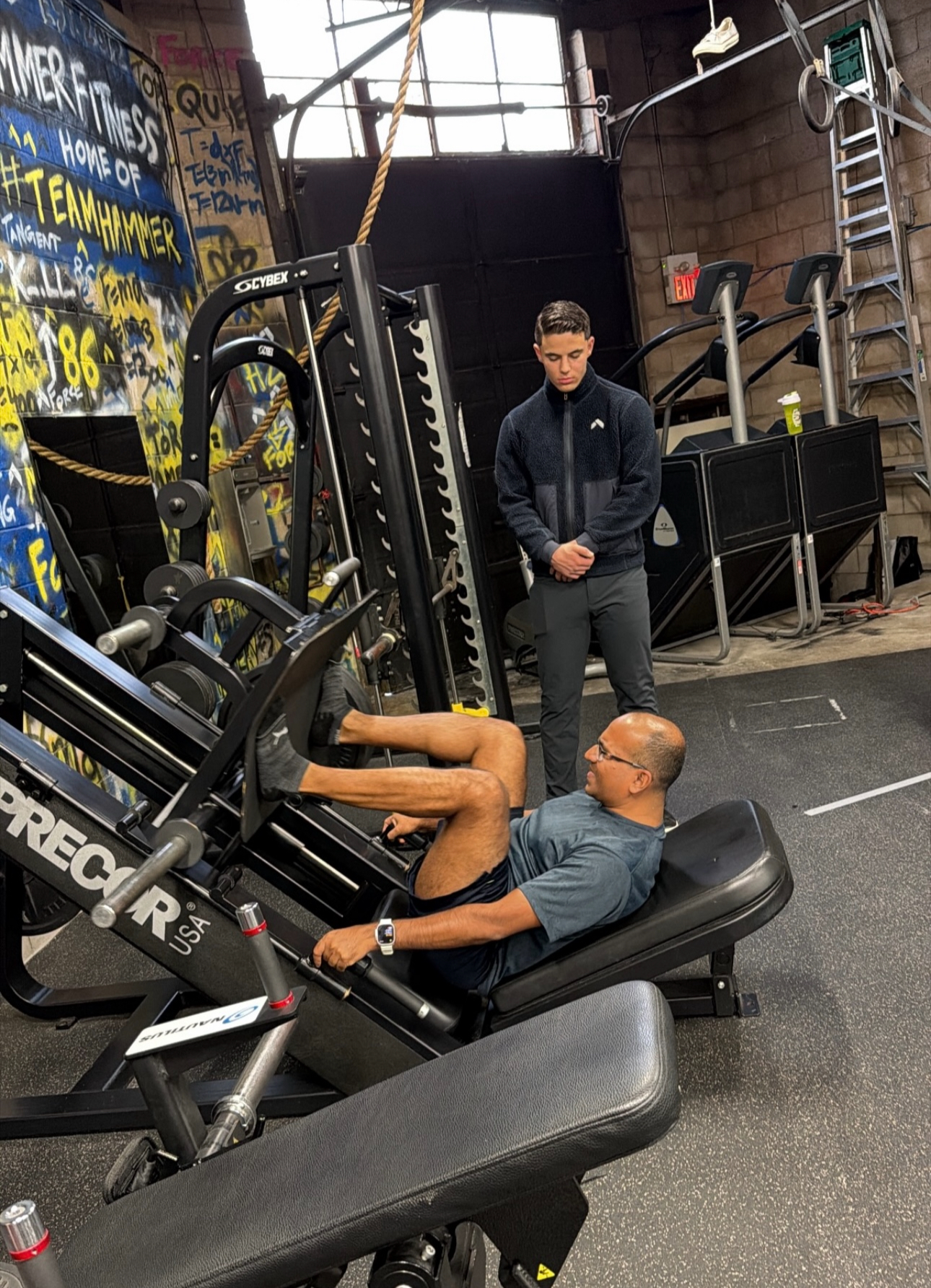
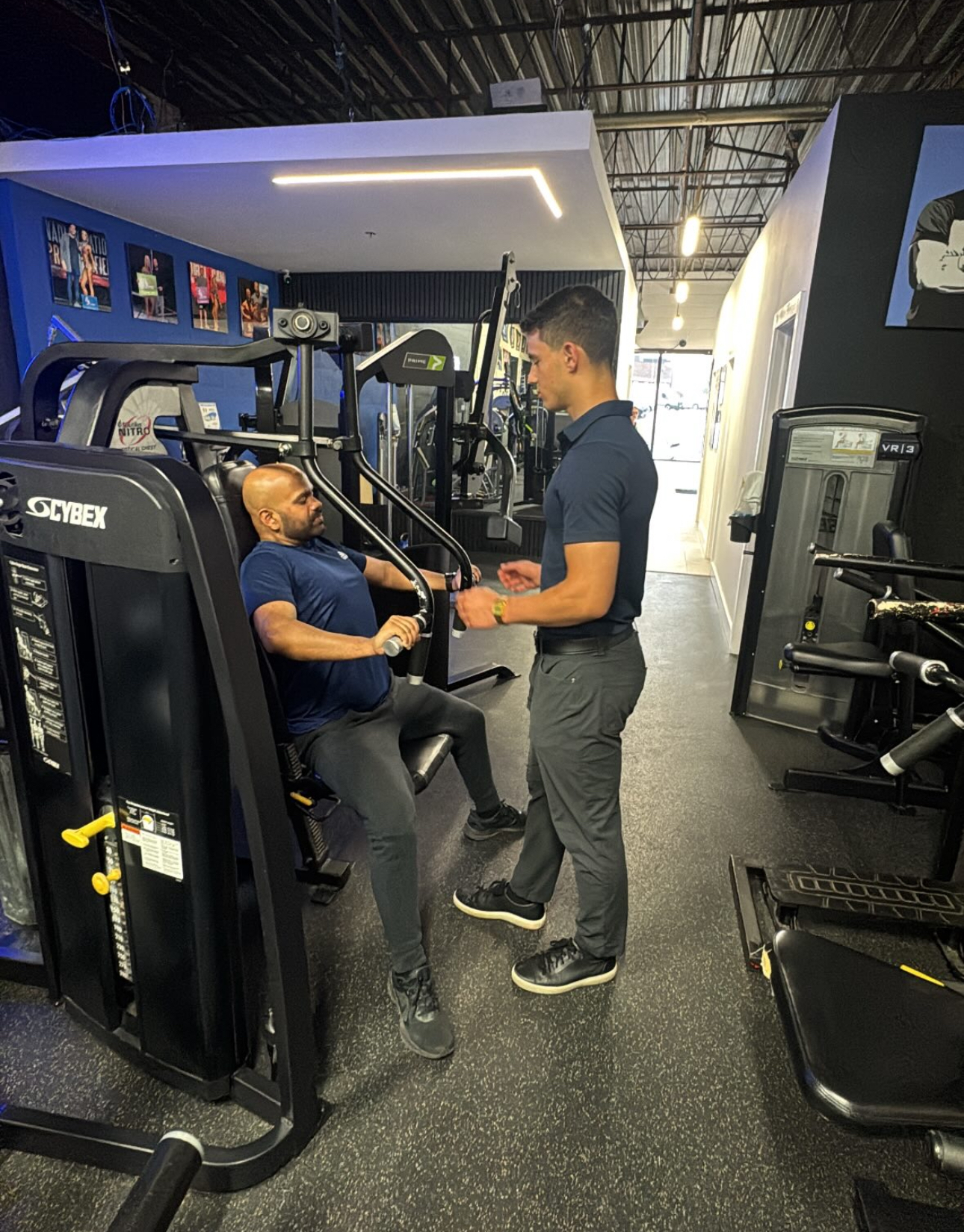
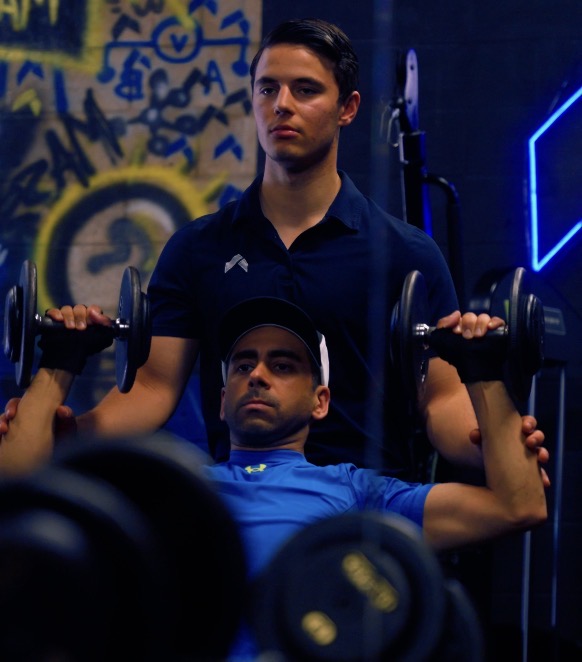
The coaching happens inside the set, not in a message afterwards. A rep that drifts gets corrected while it is still happening, and load moves up when the execution earns it — which is the whole reason the sessions are in person.
Two things a trainer has to understand
Biomechanics and physics. Everything else in a programme is downstream of those.
Most training advice treats exercises as interchangeable. Pick a movement, add weight, repeat. That works until a client’s structure disagrees with the template — and then it produces a shoulder that aches, a back that flares, and a plateau nobody can explain.
Keyvan starts further back. What is this movement actually doing to this person’s joints, at this load, through this range? Answering that is what biomechanics is for, and it is the difference between a programme that builds someone for a decade and one that gets them through a month.
It is also the reason his clients can train hard. A set only produces an adaptation if the tissue you are aiming at is the tissue doing the work. Get the mechanics right and the intensity becomes useful rather than risky.
The weight is a tool. The body is the goal.
The MED Method
The minimum effective dose — learned from the person who built it.
Keyvan trained in the MED Method under Amer Kamra, who created it, and is certified through the Elite Coaching System at both levels. The premise is unfashionable and it is the core of how Hammer Fitness works: the quickest way to a body composition goal is not extremes. It is finding the smallest dose that still moves the needle.
That dose applies to everything, not just training. The right amount of food. The right amount of cardio. The right amount of resistance volume. Contrary to what most of the industry sells, more is not automatically better — better is better.
The practical payoff is not only that clients get there. It is that they can stay there. A result built on the least work required is a result a person can hold, because there is somewhere to go when progress stalls and nothing to collapse back from when life gets busy.
For reference on the floor beneath all of this: the Canadian 24-Hour Movement Guidelines set muscle-strengthening work at a minimum of twice weekly for adults. The minimum is never the interesting question. How far above it a particular person needs to go is what MED answers.
Metabolism — the variable most people get wrong
Most clients arrive having heard the word and having been sold something about it. The useful starting point is that metabolic rate is not a fixed number. It moves with lean mass, with daily activity, and with how long and how hard a person has been dieting.
That is where the damage usually is. Long stretches of low food and high cardio drive the number down, which is why a client who has been “good” for a year is often the hardest one to get moving. Resistance training is the lever that goes the other way — it adds and protects the muscle that does most of a body’s resting energy work.
So Keyvan builds intake and training to protect a client’s metabolic rate through a fat loss phase rather than grinding it down and calling the result willpower. Less cardio than most people expect. More food than most people expect. And a physique that holds afterwards, because nothing was broken getting there.
What Keyvan has gone deep on
Training around a back that hurts
Keyvan spent years with his own back problems as a soccer player. What changed it was not rest — it was learning to train in a way that built the area up without provoking it. He coaches from that experience: programming around a client’s history rather than avoiding movement altogether. Anything that needs assessment goes to the right professional first.
Building muscle, not moving weight
Most injuries happen the week someone decides the number on the bar is the point. Chasing load pulls form apart and stops stimulating the muscle you were aiming at. The weight is the tool. Keyvan keeps the body as the goal and lets the load follow the execution.
The MED Method
Every programme is written from scratch to find that client’s own minimum effective dose. Not a template with a name on it — the smallest amount of the right work that produces the change, and a clear place to go when it stops working.
Metabolic rate
Understanding how rate responds to muscle, food and activity is what lets Keyvan get clients leaner without burying them in cardio or cutting food to the bone. The aim is a body that works with the plan instead of fighting it.
How Keyvan writes and runs a programme
Assessment before programming. A movement assessment comes before exercise selection, because what a template says for week one and what a client’s joints tolerate today are entirely different things. Selection is based on structure and history — the shoulder that has been off, the back that flares, the knee that hates depth. Load is added after the pattern is clean, never before.
Nutrition follows the same logic as training. A sustainable plan beats an optimal one nobody can follow past three weeks. Protein is set high enough to preserve and build muscle for the phase the client is in. The deficit is sized to their actual life rather than to a spreadsheet. Adjustments come from collected data, not from how the week felt.
Plateaus get diagnosed, not guessed at. Adherence gets checked first, honestly, because it is the more common cause by a distance. If adherence holds up, the programme gets adjusted — still inside the MED, still the smallest change that does the job.
Customising a programme does not mean picking which muscles get worked. It means picking exercises that suit a particular person’s anatomy and joint mobility, assessing what they are capable of today, and progressing from there. Over a hundred clients with a hundred different problems is where that judgement comes from.
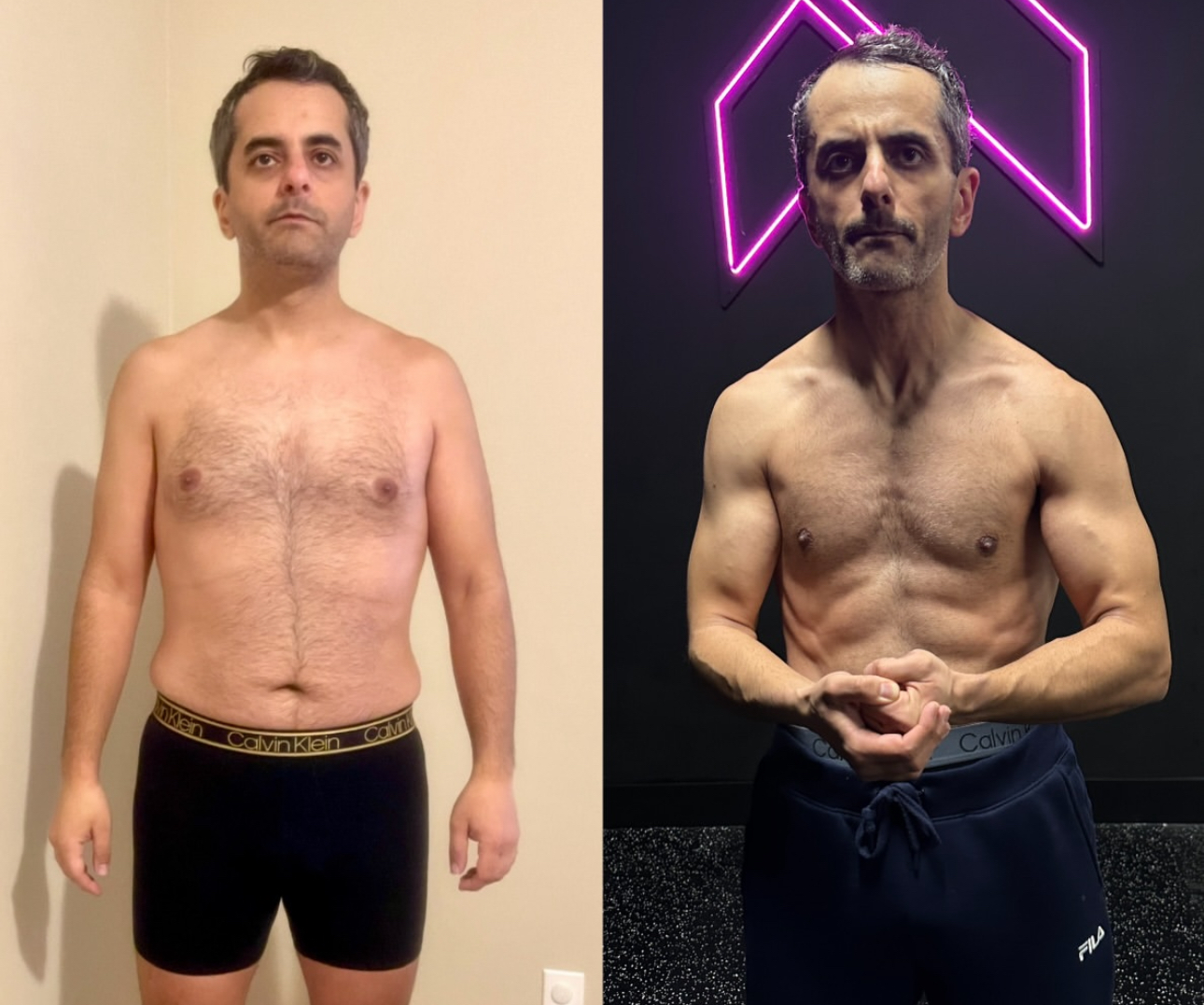
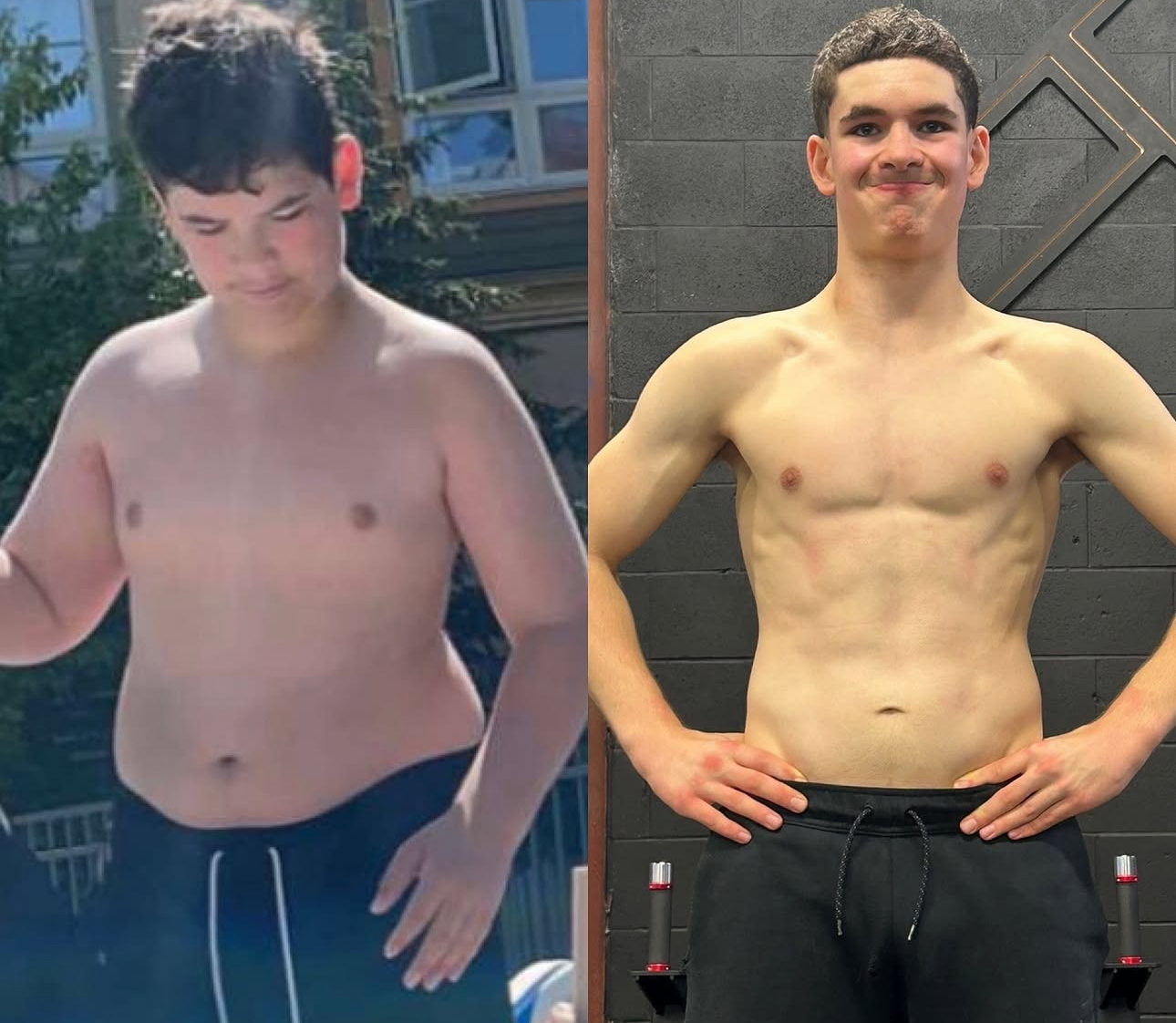
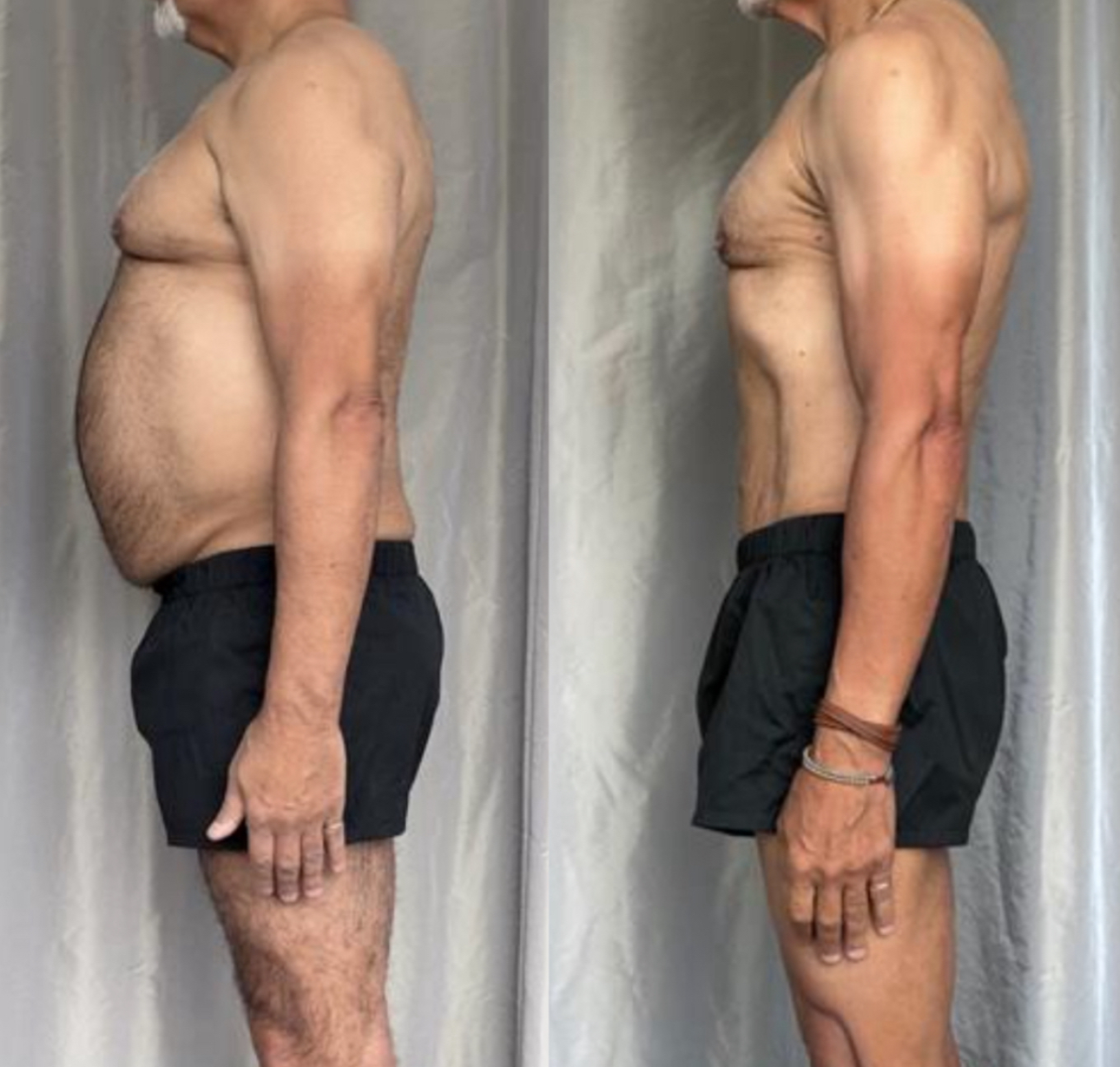
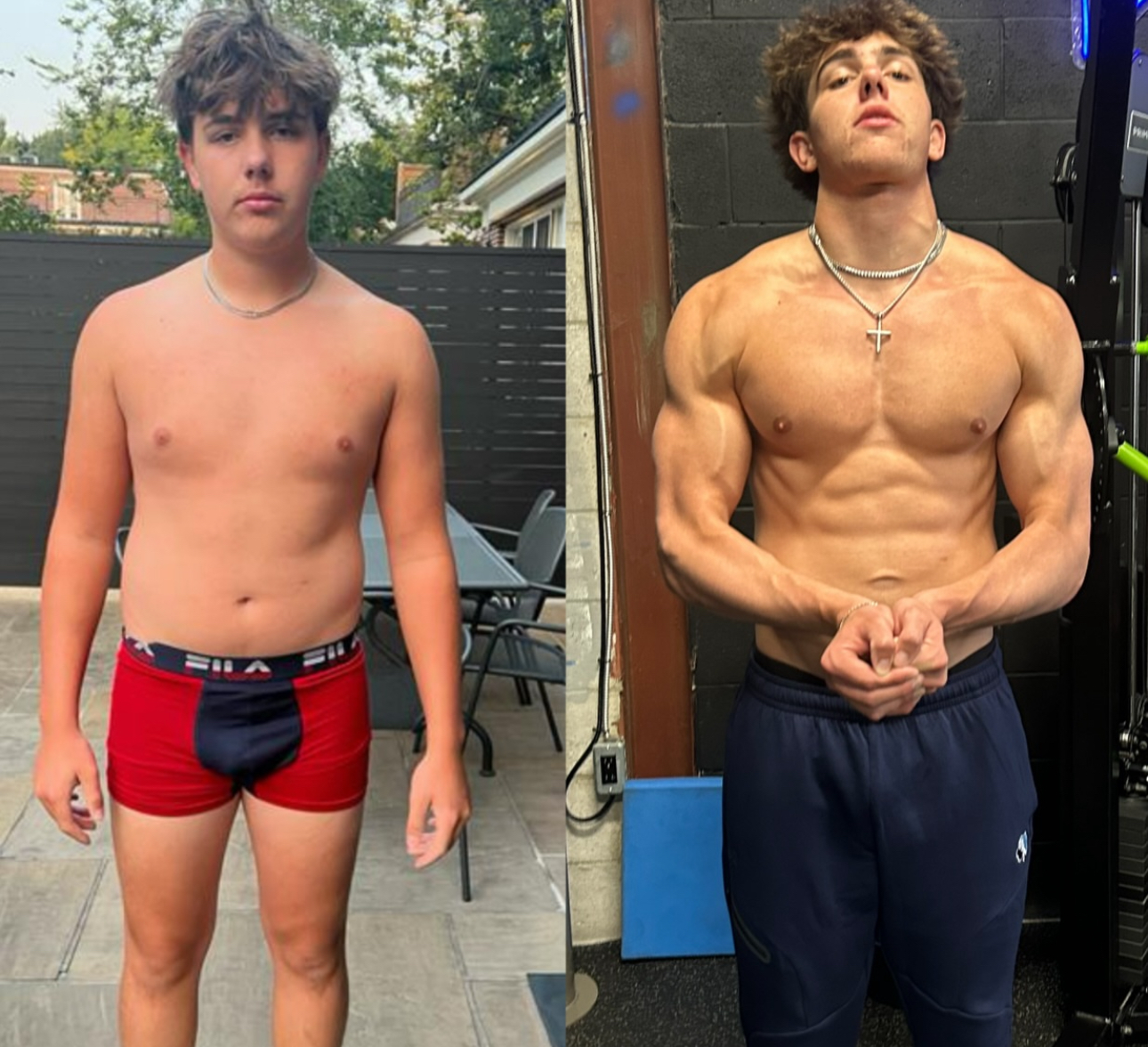
Clients Keyvan has coached
Built on the right dose, not the most work a person could survive.

What his clients say
Messages from people Keyvan coaches. Click any one to read it full size.
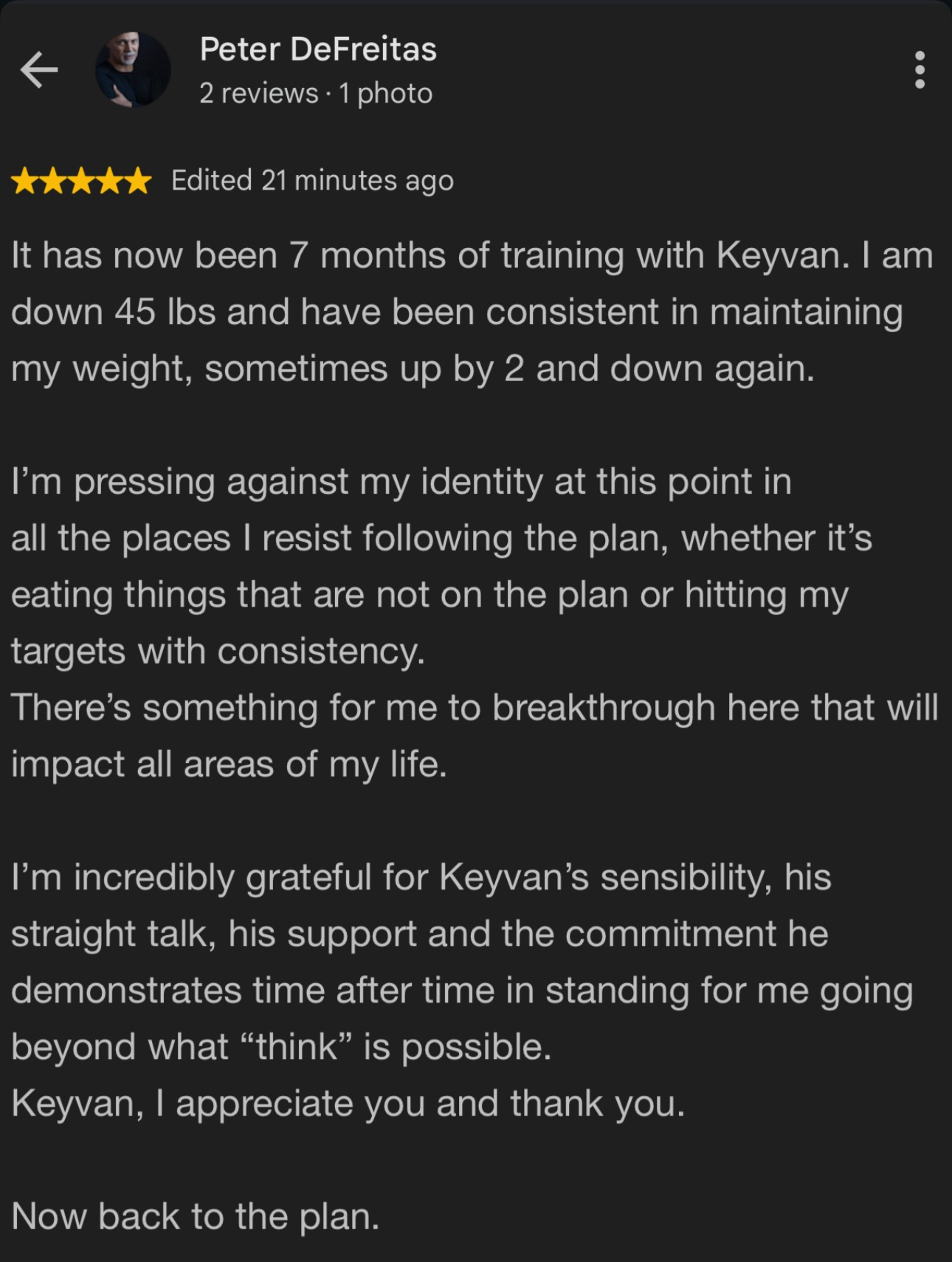
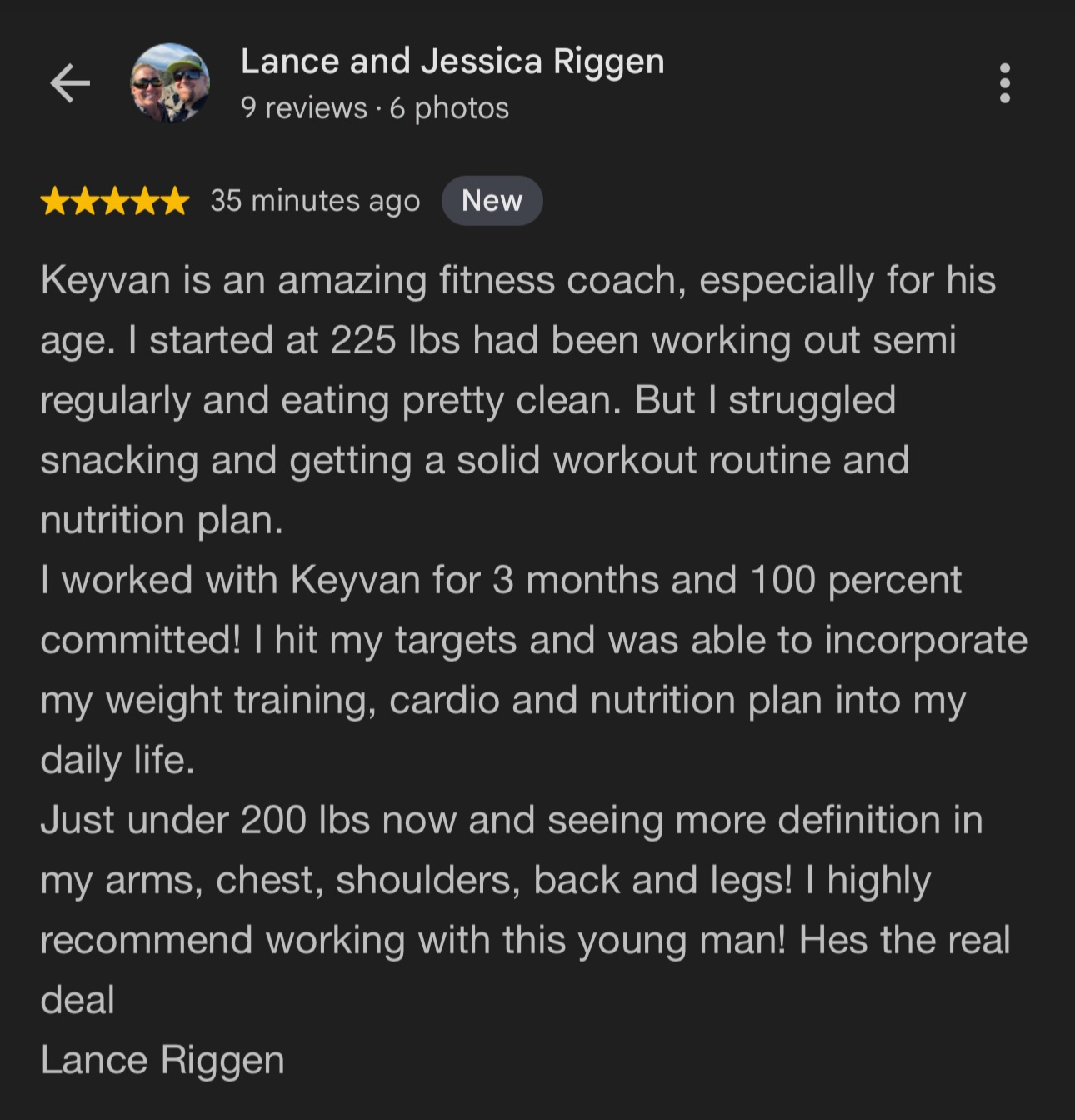
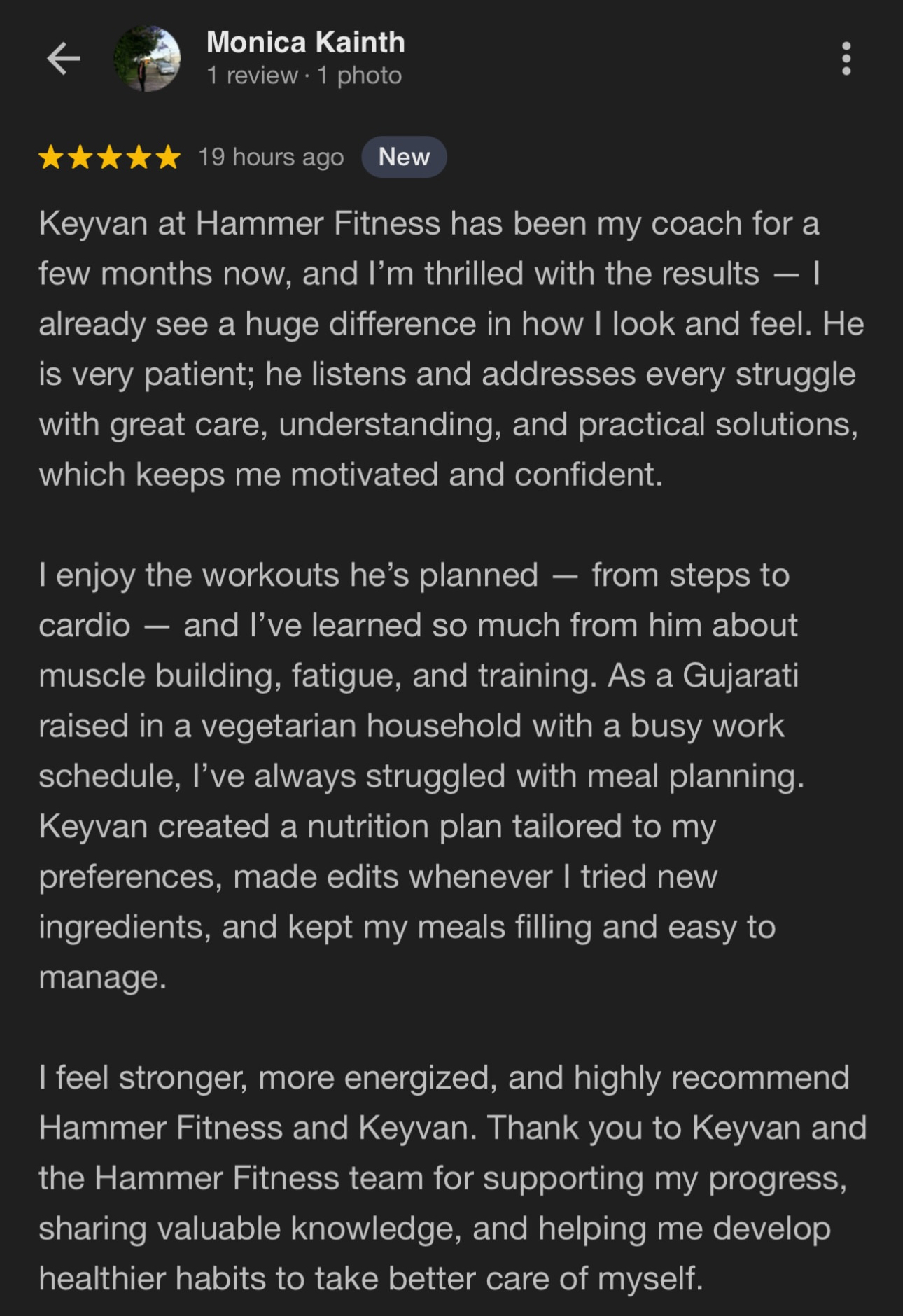
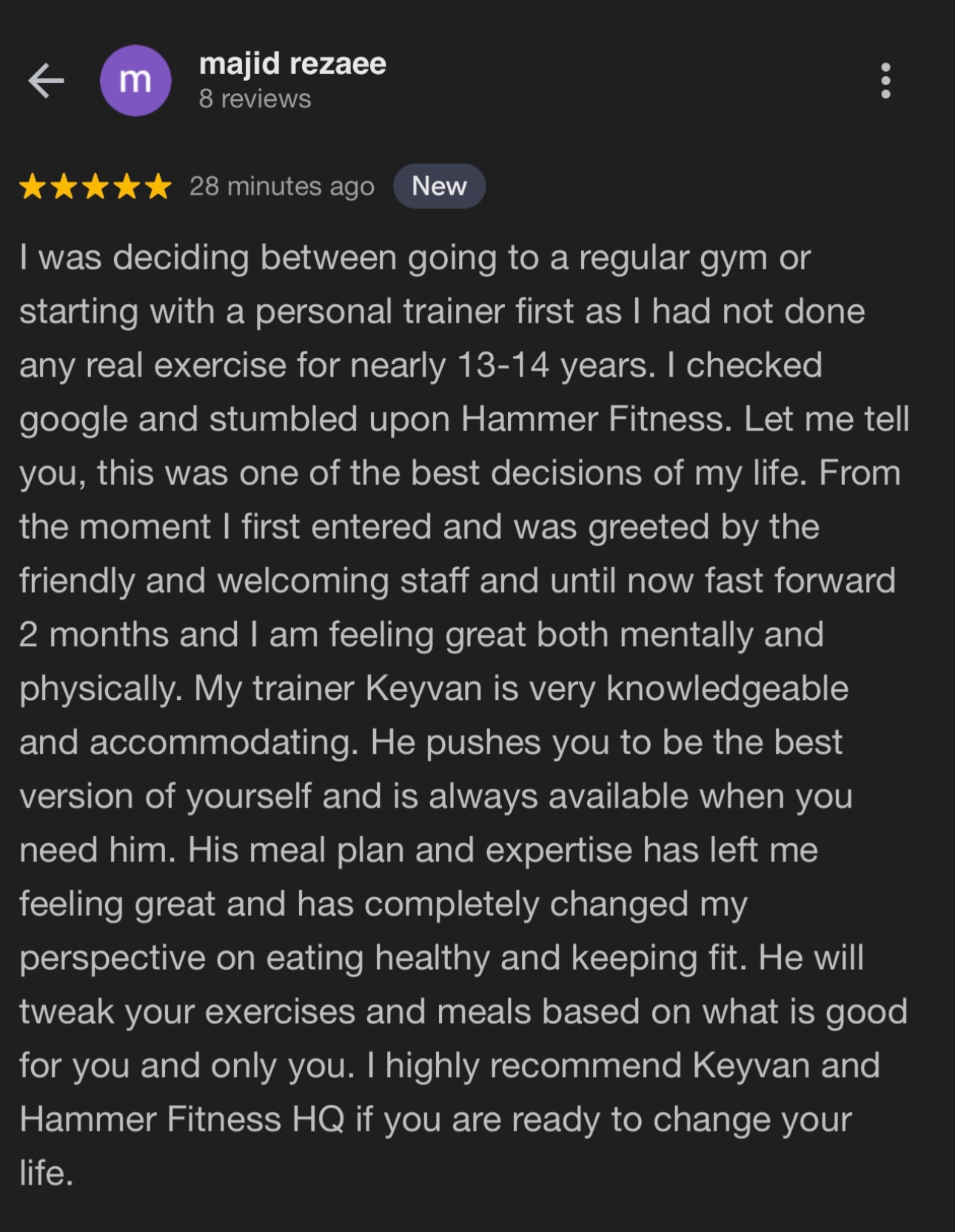
He was a client before he was a coach
Keyvan has been in sport since he was young, and sport put him in a gym, where he found the thing that actually held his attention: the process of changing his own body composition on purpose rather than by accident.
He started at Hammer Fitness as a client. That is not a detail on a bio — it is the reason he knows what a hard week feels like from the other side, what a client is actually thinking when they miss a session, and why the honest answer to a stalled month is usually simpler than the one people want to hear.
The World Health Organization lists improved mental health, reduced anxiety and better cognitive function among the documented effects of regular physical activity. Most of his clients arrive for the physique. What keeps them is everything else that comes with it.
Where he coaches
Keyvan coaches at Hammer Fitness, Unit 7 — 21 Progress Ave in Scarborough. Sessions are one-on-one or semi-private, by appointment, on a private floor with no drop-ins and no classes. Open 5am to 11pm, seven days a week.
The privacy is practical rather than a luxury. A client can be corrected mid-set without an audience, can train at the level they are actually at, and can learn properly instead of performing. See what that produces across the gym: client transformations at Hammer Fitness.
Common questions
What makes his approach different?
Exercise selection is built around the individual, not around a template. He assesses how a client actually moves before choosing a single exercise, then picks movements that suit that person’s structure and joint mobility.
Can he work around an old injury?
Programming starts from what a client can currently do well. He dealt with his own back problems as an athlete and learned to build the area up rather than avoid it. He coaches training, not treatment — anything needing clinical assessment goes to the right professional first.
Do I need experience to train with him?
No. Every programme starts from a movement assessment rather than an assumed level, so a beginner and a lifter of ten years are both programmed from where they actually are.
Will I be doing hours of cardio?
Almost certainly less than you expect. Resistance training is the primary driver, and cardio is dosed like anything else — the amount that does the job and no more.
What happens when progress stalls?
Adherence gets checked first, honestly. If the data says the plan was followed, the programme gets adjusted. Guessing at a plateau is how people end up doing twice the work for the same result.
How do I start?
Book a free consultation. The first conversation covers history, injuries, what has been tried and what is realistic. Call 416 298-7997.
Meet our colleagues at Hammer Fitness Scarborough
Every coach on this floor is trained in the same method.






Train with Keyvan.
Book a free consultation at Hammer Fitness in Scarborough. He will go through your training history, what has already been tried, and what is realistic on the time you have — then build from there.